
When the forecast says "heavy rain" but your delivery schedule or security patrol cannot stop, the real test begins. For riders on scooters, e-bikes and motorcycles, a rainy shift can quickly turn into a cold, wet and exhausting battle against the weather. Cheap plastic ponchos and thin rain capes seem fine on a sunny day, but under a real downpour they leak, flap, tear, and distract riders at the worst possible moment.
That's where quality motorbike rain suits make a big difference. For B2B fleets, security companies and industrial sites, the right rainwear can turn "rainy shift" into "normal shift" – with a dry, protected and confident team that keeps working safely.
This article looks at rainy shifts from the rider's point of view and explains how good motorbike rain suits change their daily experience – and your operational performance.
Why Rainy Shifts Are So Tough on Motorbike Teams
On paper, a rainy shift just looks like "bad weather." In reality, it hits riders on several levels at once:
Cold and wet stress
After 10–15 minutes in real rain, cheap ponchos and thin plastic capes start leaking through seams, collars and sleeves. Clothes underneath get soaked, riders get cold, and muscles become stiff. A full shift in this condition is not only uncomfortable, it increases the risk of illness and fatigue.
Visibility and concentration problems
Rain on helmets and visors, spray from cars and trucks, misted glasses – all of this reduces visibility. If the rider is also fighting with a flapping poncho or trying to hold it down in strong wind, their concentration is divided between staying dry and staying safe.
Safety risks from poor gear
Low-quality rain capes can catch the wind like a sail, get tangled in wheels or chains, or cover indicators and brake lights. They may also hide reflective elements on the rider's normal hi vis jacket, making them harder to see in traffic.
Impact on operations
For delivery and courier companies, rainy shifts often mean delays, cancelled orders and more customer complaints. For security patrols and factory riders, it can mean slower rounds and lower morale.
A properly designed motorbike rain suit with jacket and pants directly targets these problems. Instead of "surviving" the rain, riders can focus on their job.
What Makes a "Quality" Motorbike Rain Suit? Key Features that Change the Experience
Not all rain suits are the same. When you look closely at what riders actually feel on the road, certain features clearly separate quality motorbike rain suits from disposable or low-grade options.
Waterproof Fabric and Sealed Seams
The first and most obvious job of a rain suit is simple: keep the water out. But this is about more than just a coated fabric.
True waterproof materials
Quality motorbike rain suits use durable coated fabrics that stop water from passing through under real pressure – not just a light drizzle. The surface sheds rain instead of absorbing it, so the suit doesn't become heavy and cold.
Taped or welded seams
Even the best fabric will leak if the seams are not sealed. On a quality suit, you'll see taped seams on shoulders, hood, crotch and other high-stress areas. This prevents water from sneaking in where panels of fabric meet – a common failure point on cheap rainwear.
Storm flaps and high collars
A waterproof motorbike rain suit will have a zipper covered by a storm flap and a collar that closes snugly around the neck, blocking water that tries to run down inside the jacket.
For daily commuting and long shifts, this difference is clear: a durable motorbike rain suit for daily commuting keeps riders dry not just for 10 minutes, but for a full round of deliveries or a patrol route.
Comfort and Breathability for Long Shifts
If a rain suit is completely waterproof but feels like a plastic bag, riders will hate wearing it. Comfort is a crucial part of the real-world experience.
A quality motorcycle rain suit for long shifts usually includes:
Breathable construction
Mesh or soft lining, ventilation eyelets, back vents or small underarm openings let excess heat and moisture escape. This reduces the "sauna" feeling riders often complain about.
Soft, flexible materials
Stiff plastic fabrics are loud, restrictive and tiring. Better fabrics are flexible and quieter, allowing riders to turn, stretch and handle the bike naturally.
Non-stick interior
A smoother or lined inside surface helps the suit slide over work uniforms, instead of clinging to damp clothes.
When riders feel less sweaty and restricted, they stay more alert and focused, especially on longer rainy shifts.
Hi Vis & Reflective Details for Night Riding Safety
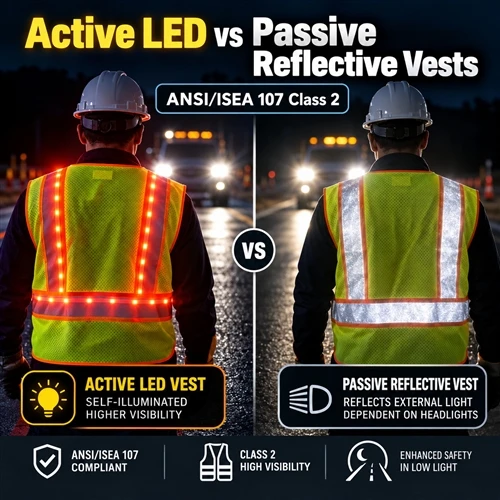
Rain almost always comes with darker skies, glare and reflections. At night, visibility drops even more. A hi vis reflective motorbike rain suit for night riding can dramatically improve safety by:
Using high-visibility colors such as fluorescent yellow, orange or lime green for the main body of the suit.
Adding reflective tape across the chest, back, shoulders, sleeves and legs. These stripes "light up" under vehicle headlights, making the rider stand out clearly in the dark.
Keeping reflective areas large and well-positioned, not just tiny logo patches.
For companies, this translates into fewer incidents and near-misses, and better compliance with safety policies for riders who work early morning, late evening or night shifts.
Fit, Sizing and Layering Over Work Uniforms
Fit is often underestimated, but it has a big impact on the riding experience:
A suit that is too tight restricts movement, pulls on shoulders and knees, and can even stress seams until they leak or tear.
A suit that is too loose can flap in the wind, catch on handlebars or mirrors, and allow water to run up inside sleeves or legs.
Good motorbike rain suits are cut to be worn over existing uniforms, with enough room to layer a hoodie or jacket underneath. Adjustable cuffs, hems and waistbands help riders customize the fit and keep water out.
For B2B buyers, offering a clear size chart and allowing riders to try on sample sizes is one of the best ways to avoid complaints and ensure long-term use.
Real-World Experiences: How Quality Motorbike Rain Suits Change the Daily Shift
To understand the difference, it helps to look at what riders actually say and feel after switching to better rain gear.
Delivery Riders and Couriers
Before:
Disposable ponchos tear in strong wind.
After one round of deliveries, arms and legs are soaked.
Riders feel cold, tired and frustrated; they slow down or cancel more orders.
After switching to quality motorbike rain suits:
Jacket and pants keep their uniform dry even in heavy rain.
Reflective stripes and bright colors make them more visible in traffic.
They can maintain a more normal speed and complete more stops, even on a rainy day.
The result? Fewer customer complaints, more completed orders and improved income for riders.
Security Guards and Industrial Patrol Teams
Before:
Basic rain capes flap in the wind during patrols.
Long nights in rain mean cold, wet uniforms and discomfort.
Riders sometimes avoid certain rounds or shorten patrols due to weather.
After adopting a workwear rain suit for motorbike security guards:
Guards stay dry from collar to boots, even over long patrol routes.
Reflective elements improve visibility in industrial yards and parking areas.
The uniform look of proper rain suits sends a professional message to clients and visitors.
In both cases, the experience becomes less about "surviving the rain" and more about simply continuing the job with confidence.
How to Choose the Right Motorbike Rain Suit for Your Team
If you manage a fleet of riders, choosing the right rainwear is a strategic decision. Here are key factors to consider.
Match the Suit to Your Riding Conditions
Different riding patterns require different designs:
Urban last-mile delivery
Riders in busy cities, often on scooters or e-bikes, need lightweight motorbike rain suits for delivery drivers that are easy to put on and take off multiple times a day. High visibility for dense traffic is critical.
Longer suburban or regional routes
For riders who spend longer periods at higher speeds, more robust fabrics and stronger storm flaps are important. Comfort and breathability become even more crucial.
Mixed climates
In hot climates, prioritise ventilation and lightweight design. In cooler regions, you may prefer a slightly thicker or lined motorbike rain suit that can handle wind chill and cold rain.
Also consider non-motorcycle users: rainwear for scooter and e-bike couriers often shares the same features and can be standardized across your fleet.
Single-Piece vs Two-Piece: Jacket and Pants
Both formats have their use, but for most B2B operations, a two-piece motorbike rain suit with jacket and pants is more practical:
Riders can choose different sizes for upper and lower body.
The jacket can be used alone in light rain or mist.
Pants offer better protection for thighs, knees and shins compared to long ponchos.
A one-piece overall style can offer very strong protection but is often hotter and less convenient for frequent stops.
Checking Quality: Quick Inspection Checklist
When evaluating samples of quality motorbike rain suits, use a simple checklist:
Is the fabric thick enough to feel durable, yet flexible enough for comfortable riding?
Are critical seams on shoulders, hood and crotch properly taped or welded?
Does the zipper have a storm flap or cover to block water entry?
Are reflective stripes large, continuous and well-positioned on the chest, back and legs?
Are cuffs, hems and hood adjustable to fit over gloves, boots and helmets?
Is the inside finish smooth or lined, so it doesn't cling to the rider's uniform?
If a sample fails several of these points, it is unlikely to perform well on real rainy shifts.
Cost vs Value: Why Quality Rain Suits Pay Off in B2B Operations
At first glance, a premium motorbike rain suit costs more than a pile of plastic ponchos. However, the real numbers look different when you consider the full picture.
Direct Cost
Cheap ponchos might be used only a few times before tearing or leaking.
A durable motorbike rain suit for daily commuting can last many months or even seasons, especially if properly cared for.
Spread over time, the cost per rainy day is often lower for quality rain suits.
Operational Value
When riders stay dry and visible, they can maintain normal productivity on rainy days, instead of slowing down or refusing difficult routes.
Fewer wet, sick or frustrated employees means lower absenteeism and higher morale.
Fewer accidents and complaints can significantly reduce the indirect costs related to customer service and damage control.
From a B2B perspective, investing in good motorbike rain suits for motorcycle work shifts is less about "extra cost" and more about protecting revenue and reputation.
How to Roll Out Motorbike Rain Suits in Your Team
Once you decide to upgrade your rain gear, the way you implement the change matters.
Create a Clear Rainy-Shift PPE Policy
Define which riders must wear a motorbike rain suit when conditions meet certain criteria (e.g. continuous rain, heavy showers, night shifts with forecast rain).
Communicate that rain suits are company-provided PPE, not an optional accessory.
Make clear that proper use and care of the suit is part of the job.
Get Sizes Right from the Start
Collect height, weight and usual clothing size from all riders.
Use a size chart to assign initial sizes and, if possible, let riders try sample sizes before placing a large order.
Keep a small buffer stock for size exchanges when new employees join.
A well-planned roll-out reduces size-related complaints and ensures that riders actually use their new gear.
Train Riders on Use and Maintenance
A short practical session can make a big difference:
How to put on and remove the motorbike rain suit with jacket and pants safely.
How to adjust cuffs, hems and hood to keep water out without blocking vision or movement.
Simple care instructions: hanging the suit to dry after use, avoiding direct high heat, and checking seams regularly.
When riders understand how to use their rain suits properly, they get the maximum comfort and protection – and the suits last longer.
Turning Rainy Shifts into a Safer, More Comfortable Experience
Rainy shifts will never be anyone's favourite part of the job, but they don't have to be a disaster. By investing in quality motorbike rain suits, companies can transform the daily experience of riders from "cold, wet and stressed" to "protected, visible and productive."
A good motorbike rain suit keeps uniforms dry, improves visibility in dangerous conditions, and helps riders focus on the road instead of their clothes. For B2B operations, that translates into better safety, more reliable service and a team that feels taken care of – even in the worst weather.
If you're planning to upgrade rainwear for your delivery riders, security patrols or industrial motorbike teams, consider standardizing on a quality motorbike rain suit with jacket and pants across your fleet. The next time the forecast warns of heavy rain, you want your reaction to be simple: "Rainy shift, dry team – we're ready."