
Mining Winter Kit Checklist (Jacket, Bibs, Gloves, Headwear)
When winter hits a mine site, everything becomes harder: machines are colder to start, ground conditions are slippery, visibility drops, and even simple tasks take longer. For the people working in this environment, winter workwear is not just about comfort – it is about safety, productivity and compliance.
On many mining operations, winter PPE is bought piece by piece over time. Workers mix and match different jackets, old bibs, generic gloves and random beanies. The result is a fleet of people whose protection, visibility and warmth levels are all different – and difficult to manage.
A better approach is to create a standardized mining winter kit for every worker and every role. In this guide, we'll walk through a practical Mining Winter Kit Checklist covering:
Jackets
Bibs & pants
Gloves
Headwear & neckwear
So HSE managers and buyers can plan winter PPE in a structured way and avoid unpleasant surprises when the temperature drops.
Why a Dedicated Mining Winter Kit Matters
Mining winters are harsh for both people and equipment. Workers face:
Sub-zero temperatures and wind chill
Snow, rain, sleet and blowing dust
Ice on ladders, stairs and truck steps
Long hours of darkness and low-angle sunlight
Constant movement of heavy equipment and haul trucks
If winter PPE is improvised or inconsistent, you can see problems such as:
Some workers under-protected (thin non-insulated rain jackets, cotton hoodies)
Poor visibility in low light because hi-vis standards are not met
Different colors and designs that make it hard to identify workers by role
Extra time wasted searching for the right gear at the start of each shift
A dedicated mining winter kit solves these issues by:
Standardizing warmth, visibility and protection levels across the crew
Making it easier to issue, track and replace PPE
Improving compliance with company rules and customer audits
Giving workers a clear expectation of what they will receive
Example product to reference: winter high visibility coal mine workwear
How to Use This Mining Winter Kit Checklist
This checklist is designed for:
HSE managers responsible for site safety
Purchasing teams sourcing winter PPE
Supervisors planning seasonal equipment for their crews
You can:
Create a simple table with columns for Jacket / Bibs / Gloves / Headwear.
List each job role (open-pit truck operator, loader operator, underground mechanic, supervisor, etc.).
For each role, tick off the required items and any special features (FR, extra visibility, higher insulation level).
Share the table with suppliers when requesting quotes, so everyone talks about the same specification.
As you read the sections below, note which points are mandatory for your site and which are "nice to have". That will help you balance safety, comfort and budget.
Winter Jacket Checklist for Mining Sites
The jacket is often the most visible and most used part of a mining winter kit. A good winter jacket must combine high visibility, insulation, waterproofing and practical design.
Visibility and Standards
Mining is full of visual distractions: headlights, dust, reflective surfaces, equipment lights and shadows. A winter jacket should help workers stand out clearly, not disappear into the background.
Key visibility points:
Hi-vis base color (yellow, orange, lime) or strong contrast panels
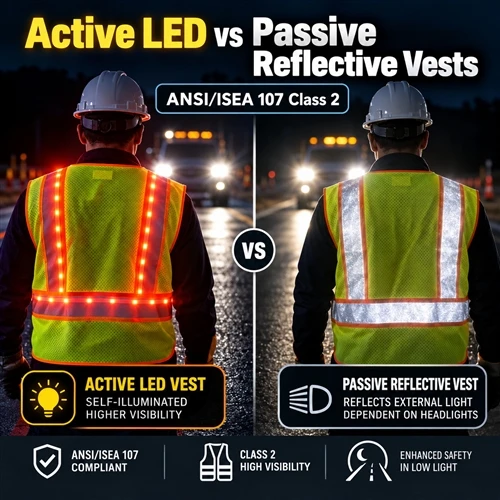
Reflective tape around the torso and sleeves for 360° visibility
Compliance with relevant hi-vis standards (e.g. EN ISO 20471 or ANSI/ISEA 107) where required by local regulations or customer policies
For some operations, combining hi-vis + FR may be necessary near fire or explosion risks
Look for jackets marketed as:
high visibility mining jacket
winter hi vis jacket for mining
insulated hi vis jacket for miners
– winter high visibility coal mine workwear jacket
– two tone waterproof hi vis jacket for mining supervisors
– water resistant hi vis jacket for open pit mining
Insulation, Waterproof and Windproof Performance
In winter, a jacket must protect from cold, wind and moisture at the same time.
Checklist items:
Insulation: quilt lining, padded lining or thick fleece that matches your climate.
Outer shell: durable polyester or Oxford fabric, often around 300D, with PU/PVC coating or membrane.
Waterproofing: taped seams, storm flaps over zippers and high collar to stop water ingress.
Windproof features: internal cuffs, adjustable hem, high collar, storm flap closure.
Terms to look for in product specs:
insulated mining jacket
waterproof winter work jacket for mining
cold weather hi vis jacket
If your site uses a layering system, ensure the jacket fits comfortably over base layers and possibly a mid-layer.
Design Details for Mining Work
Mining tasks involve climbing onto equipment, working in tight spaces and carrying tools. Smart design details can make the difference between a jacket workers love and one they avoid.
Important design features:
Black bottom panels to hide dirt, grease and coal dust
Multiple pockets (chest, lower pockets, inside pocket) with flaps or zippers
Dedicated pockets for radios, pens, phones and ID cards
Removable or adjustable hood that fits over or under a hard hat
Strong front zipper with storm flap and snaps
Roomy cut with action back or pleats for better movement
Winter Bibs & Pants Checklist
A jacket alone is not enough in winter. Legs are in contact with cold surfaces, snow and ice, and workers often kneel, sit or climb throughout their shift. Insulated bibs or pants complete the upper-body protection.
Insulation and Abrasion Resistance
Winter bibs for mining should offer:
Sufficient insulation at thighs and knees to prevent cold penetration
Reinforced knee patches and lower legs to handle contact with ladders, rocks and equipment steps
Fabrics that resist abrasion, oil and grease
Keywords and features:
insulated mining bibs
winter hi vis bib pants for mining
Durable Oxford or similar outer fabric with reinforced panels
Fit Over Base Layers and Boots
Bibs and pants should be easy to put on and take off over regular work clothes:
Adjustable shoulder straps (for bibs)
Side zippers or snap closures at the legs to fit over safety boots
Enough length to cover boot tops so snow and mud stay outside
Elastic or adjustable waist for comfort when bending or sitting
These details help workers use the kit correctly instead of cutting corners because the gear is too hard to wear.
Visibility and Optional FR Protection
Just like jackets, lower-body garments need to be visible when headlights hit them:
Reflective bands around lower legs (and on bib upper if present)
Hi-vis fabric panels at the calf or thigh
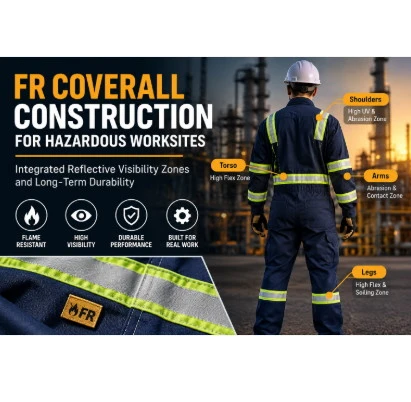
In some underground or processing areas, winter protection may need to be FR-rated as well. In that case, FR winter bibs or FR coveralls with insulation and reflective tape may be the best option.
– FR winter coveralls for mining maintenance crews
– CAT 2 FR coveralls for electricians working in mines
Gloves for Winter Mining Work
Hands are one of the first body parts to feel cold, and they are also critical for operating controls, tools and emergency equipment.
Even if you don't currently sell gloves, this section helps position you as a knowledgeable winter PPE partner and leads naturally into a "complete kit" call to action.
Thermal Rating and Grip
Important aspects for winter mining gloves:
Insulation to keep hands warm without sacrificing dexterity
Waterproof or water-resistant outer layer for snow, ice and wet equipment
Good grip on greasy, icy or wet surfaces (palm coatings, textured patterns)
Well-designed gloves allow workers to:
Handle handrails, ladder rungs and steering wheels safely
Manage tools, cables and levers without constantly removing their gloves
Keywords you can showcase:
winter mining gloves
thermal work gloves for miners
cold weather impact gloves for mining
Cut, Impact and FR Considerations
Depending on the role, gloves may also need:
Cut resistance for handling sharp components and wire ropes
Impact protection on knuckles and back of hand in maintenance and loading areas
FR properties when working near hot surfaces or arc flash risks
Encourage buyers to work with trusted glove suppliers, and highlight that your company can include gloves as part of a complete mining winter kit package.
Headwear & Neckwear Checklist for Mining Winters
Head, ears and neck lose heat quickly in cold climates, and wind can turn a mild day into a dangerous one. Good winter headwear and neckwear keeps workers warm and focused.
Helmet-Compatible Winter Headwear
On most mine sites, hard hats are mandatory in operational areas. That means winter headwear must work underneath or with a safety helmet.
Checklist items:
Thin but warm helmet liners or balaclavas that fit under hard hats
Designs that cover ears, side of head and back of neck without interfering with the helmet suspension or earmuffs
Moisture-wicking materials that manage sweat
Keywords:
helmet compatible winter headwear for mining
thermal balaclava for miners
cold weather helmet liner
High Visibility Beanies and Caps
In some places (car parks, office areas, non-operational zones), workers may wear beanies or caps without hard hats. For supervisors or visitors, hi-vis beanies can add visibility and warmth.
Consider:
Bright colors that match your jacket kit
Simple reflective stripes or logos
Comfortable, wind-resistant materials
Internal link suggestion:
– hi vis winter beanie for miners and supervisors → [internal link: Men's Outdoor Warm Windproof Fleece Beanie]
Keywords:
winter headwear for miners
fleece beanie for cold weather mining
Neck Gaiters and Face Protection
Neck and lower face protection is often overlooked, but in strong winds and blowing snow it makes a huge difference:
Thermal neck gaiters that can be pulled up over the mouth and nose
Soft inside surface to prevent irritation during long shifts
Materials compatible with respiratory protection if masks or respirators are used
Internal link suggestion:
– thermal neck gaiter for mining winter kit
Keywords:
thermal neck gaiter for mining
winter neckwear for miners
Sample Mining Winter Kits for Different Roles
To make the checklist more practical, here are example kit combinations for common mining roles. You can adapt these to your own site and budget.
Open-Pit Truck Operator Kit
Insulated hi-vis winter jacket with reflective tape
Insulated hi-vis bib pants or winter work pants
Thermal gloves with good grip on steering wheels and handrails
Fleece beanie or helmet liner for use under hard hat
Thermal neck gaiter for cold mornings and night shifts
– winter high visibility coal mine workwear jacket
– insulated bibs or FR coveralls for miners
Underground Maintenance Kit (FR Option)
FR hi-vis winter jacket or insulated FR coveralls with reflective tape
FR bibs or FR coveralls providing full-body protection
Cut-resistant thermal gloves for tool handling
Helmet-compatible balaclava
Neck gaiter to protect against drafts in tunnels and shafts
– industrial fire retardant mining coverall
Surface Supervisor Kit
Two-tone hi-vis waterproof jacket with multiple pockets
Insulated pants or lighter winter bibs depending on mobility needs
All-purpose winter gloves
Hi-vis beanie for visibility when not wearing a hard hat
Optional neck gaiter for windy days
– hi vis two tone waterproof safety jacket
– men's outdoor warm windproof fleece beanie
Buying and Rollout Tips for Mining Winter Workwear
Choosing the right products is only half of the job. You also need a smooth rollout plan.
Plan Ahead
Start evaluating winter PPE 2–3 months before cold weather typically begins.
Allow time for specification, sampling, sizing trials, production and shipping.
For large sites, check whether any tender or framework agreements are needed.
Get the Fit Right
Run a size trial with a sample range (S–5XL or your usual range).
Record size data by department so you can order the right ratio.
Consider ordering 5–10% spare kit for new hires and replacements.
Standardize and Communicate
Choose consistent colors and designs for jackets, bibs and accessories.
Define which kit each role should receive and communicate it clearly.
Train supervisors to check kit usage during pre-start meetings.
Work with a Reliable Supplier
Partnering with a manufacturer that understands mining conditions can:
Help you choose fabrics and designs that really last
Reduce the risk of late deliveries or inconsistent quality
Make it easier to repeat or scale orders in future seasons
– hi vis safety workwear for mining
– request a quote for your mining winter PPE package
Build a Mining Winter Kit That Workers Actually Wear
A well-designed mining winter kit is more than a set of clothes. It's a system that:
Keeps workers warm, visible and safe in harsh winter conditions
Makes purchasing, issuing and replacing PPE much easier
Demonstrates to regulators and clients that your site takes safety seriously
Helps workers feel valued and protected – which supports productivity and retention
By using this Mining Winter Kit Checklist for jackets, bibs, gloves and headwear, you can standardize winter PPE across your site and avoid the patchwork of random garments that so often leads to problems.
If you are planning your next winter season and want to combine hi-vis jackets, FR coveralls, thermal neckwear and winter headwear into a unified package, we'd be happy to help you design a kit that fits your climate, risk level and budget.
– Design your mining winter kit with our hi vis jackets and thermal accessories→ Hi Vis Safety Work Wear / Winter Workwear products
– Request a quote for your mining winter PPE package today → Contact / Request a Quote