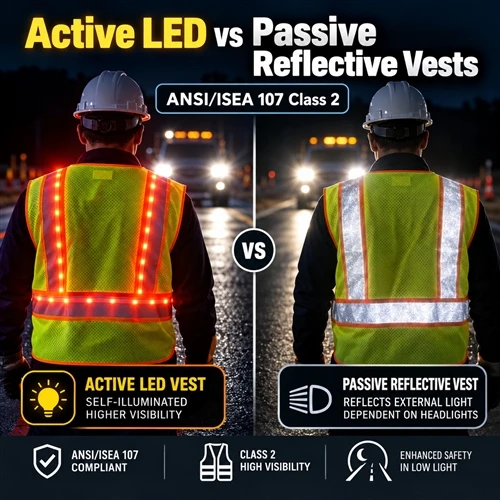
ANSI workwear does not fail only through tearing, abrasion, or poor stitching. In many field programs, hi-vis garments lose compliance value because fluorescent fabric color and reflective tape performance are degraded by alkaline detergent, chlorine bleach, uncontrolled hot-water washing, tumble drying, and missing inspection records.
For PPE distributors, HSE managers, and factory buyers, washing ANSI workwear should be managed as a controlled maintenance process, not a general laundry task. The target is to protect fluorescent background fabric, retroreflective tape, seam strength, printed logos, and garment identification over the approved service life.
Why Washing ANSI Workwear Requires Controlled Maintenance
ANSI/ISEA 107 high-visibility garments rely on two optical systems: fluorescent background material for daytime conspicuity and retroreflective material for low-light or nighttime recognition. Washing damage can affect both systems differently. Fluorescent polyester fabric may lose chromaticity after chemical attack or UV exposure, while reflective tape can lose brightness through bead loss, surface abrasion, cracking, delamination, or adhesive breakdown.
For buyers sourcing safety vests, hi-vis jackets, safety pants, coveralls, or flame-resistant reflective workwear, the washing protocol must be confirmed before bulk distribution. A garment that looks clean after washing may still have reduced retroreflection or faded fluorescent color outside field-acceptable limits.
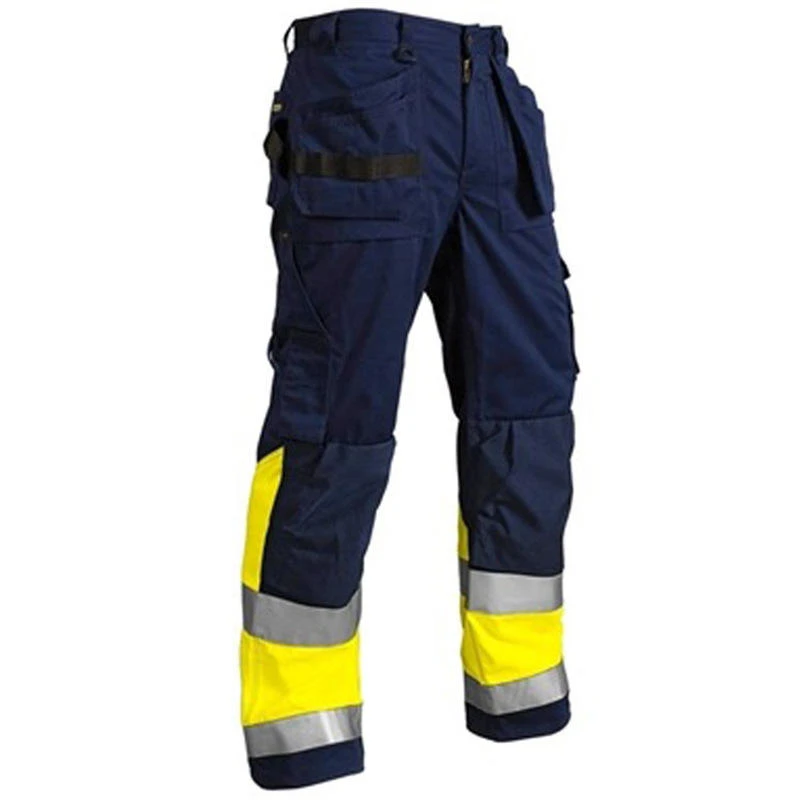
When safety pants are used in roadwork, utility maintenance, traffic control, railway service, or warehouse loading areas, lower-body visibility is often exposed to mud, oil mist, concrete dust, and repeated kneeling abrasion. Buyers managing full-body PPE programs should align washing rules for upper garments and Safety Pants so field teams do not maintain jackets and trousers under different laundry conditions.
|
Maintenance Risk |
Affected Garment Area |
Field Result |
Procurement Control Point |
|
Chlorine bleach exposure |
Fluorescent polyester fabric |
Color fading and reduced daytime visibility |
Ban chlorine bleach in user SOP |
|
Strong alkaline detergent |
Fabric dye and reflective tape adhesive |
Fluorescent dullness, tape edge lifting |
Use neutral or mild detergent |
|
Hot-water washing |
Glass bead tape or printed tape surface |
Bead loss, cracking, reduced brightness |
Set wash temperature limit |
|
High tumble-drying heat |
Tape adhesive, seam tape, printed logo |
Delamination and curling |
Use low heat or line drying |
|
Industrial abrasion |
Reflective tape surface |
Loss of retroreflective coefficient |
Inspect tape after each wash cycle |
|
Oil and solvent contamination |
Fabric and reflective elements |
Permanent staining or coating damage |
Separate contaminated garments |
Chemical Reaction Mechanism: Alkaline Detergent and Chlorine Bleach Damage to Fluorescent Dye Molecules
Fluorescent hi-vis fabric is commonly produced from polyester, polyester mesh, Oxford fabric, birdseye knit, or blended workwear fabric treated with fluorescent dye systems. These dye systems are designed to absorb ultraviolet light and emit visible light in yellow-green, orange-red, or red color ranges. When exposed to strong alkaline detergent or chlorine bleach, the dye structure may break down, reducing chromaticity and visual contrast.
Chlorine bleach is especially damaging because sodium hypochlorite can oxidize organic dye structures. This oxidation may reduce fluorescence even when the fabric still appears yellow or orange to the naked eye. Strong alkaline detergent can also affect dye-fiber interaction, surface finish, coating layers, and printed branding. On workwear with reflective tape, the same wash chemistry may attack adhesive systems, printed tape coatings, or laminated structures.
|
Washing Chemical |
Typical Laundry Purpose |
Risk to ANSI Workwear |
Recommended Control |
|
Chlorine bleach |
Whitening and stain removal |
Oxidizes fluorescent dyes and weakens visibility color |
Do not use |
|
Oxygen bleach |
Stain removal with lower chlorine risk |
May still affect color depending on concentration |
Test before approval |
|
Strong alkaline detergent |
Heavy soil removal |
Can dull fluorescent fabric and stress tape adhesive |
Avoid high-pH wash chemistry |
|
Neutral detergent |
General cleaning |
Lower risk for dye and tape damage |
Preferred for regular washing |
|
Solvent-based cleaner |
Oil and grease removal |
Can attack coatings, logos, and reflective tape surface |
Use only after supplier approval |
|
Fabric softener |
Hand-feel improvement |
May leave residue on reflective surface |
Avoid on reflective garments |
pH Control for Hi-Vis Clothing Maintenance
A practical HSE washing SOP should specify detergent type rather than leaving detergent selection to individual workers. For hi-vis clothing maintenance, neutral or mild detergent is preferred. If a site uses laundry service providers, detergent type, dosage, bath ratio, wash time, and rinse method should be written into the service agreement.
For bulk PPE programs, buyers should request the garment supplier's washing label and test report before production approval. The washing label should define maximum temperature, bleach restriction, drying method, ironing restriction, and the expected number of domestic or industrial wash cycles when available.
Fluorescent Fabric Inspection After Washing
Fluorescent fabric should be checked after repeated washing for color fading, dirt retention, surface pilling, coating damage, and uneven discoloration. A garment with heavy oil staining, cement dust residue, or dull background fabric should not be treated as compliant only because the reflective tape still shines under a flashlight.
For construction, logistics, oilfield, airport ground handling, and traffic control teams, maintenance inspection should include both daytime color visibility and nighttime retroreflective response.
Hot-Water Washing, Reflective Bead Loss, and Industrial Temperature Thresholds
Reflective tape used on ANSI workwear often uses glass bead technology, micro-prismatic film, segmented heat transfer film, or printed reflective materials. Each structure reacts differently to washing temperature and mechanical action. Glass bead tape can lose surface beads through abrasion and high-temperature washing, while micro-prismatic reflective tape may be affected by film cracking, surface scratches, or delamination.
Hot water increases mechanical stress on tape edges, adhesive layers, stitching holes, and backing fabric. When combined with alkaline detergent and drum abrasion, the risk of reflective tape brightness reduction becomes higher. For cleaning reflective tape, the maintenance process should avoid brushing the tape surface, soaking garments in strong chemicals, or drying at high heat.
|
Reflective Material Type |
Main Optical Structure |
Washing Damage Mode |
Maintenance Priority |
|
Glass bead reflective tape |
Exposed or enclosed glass microspheres |
Bead loss, surface abrasion, reduced brightness |
Limit temperature and mechanical friction |
|
Micro-prismatic reflective tape |
Prismatic polymer cells |
Film cracking, cell damage, surface scratches |
Avoid folding, crushing, and high heat |
|
Segmented heat transfer tape |
Reflective segments bonded to fabric |
Segment lifting, cracking, adhesive failure |
Control wash temperature and drying heat |
|
Reflective piping |
Narrow reflective insert with fabric edge |
Edge wear and stitching stress |
Inspect seam areas and curved sections |
|
Reflective printed logo |
Reflective ink or transfer film |
Print cracking and surface peeling |
Confirm wash durability before bulk logo use |
Practical Temperature Thresholds for Shop-Floor SOPs
Many hi-vis workwear programs use a conservative wash temperature range of 30°C to 40°C for regular cleaning, unless the garment label allows a higher temperature. Industrial laundering should not be approved only by habit; it should be confirmed against garment construction, tape type, logo method, waterproof coating, FR requirement, and supplier washing data.
|
Washing Condition |
Recommended Use |
Risk Level for ANSI Workwear |
HSE Control Note |
|
Cold wash below 30°C |
Light soil, routine maintenance |
Low |
Good for reflective tape preservation |
|
30°C wash |
Regular site dirt |
Low to medium |
Suitable for many hi-vis polyester garments |
|
40°C wash |
Moderate dirt and sweat |
Medium |
Confirm garment label and tape rating |
|
60°C wash |
Heavy contamination or industrial laundry |
High |
Use only when supplier data supports it |
|
Above 60°C |
Harsh cleaning |
Very high |
Not recommended for most reflective workwear |
|
High-heat drying |
Fast turnaround |
High |
Can cause tape curling, cracking, or adhesive failure |
Reflective Tape Inspection After Repeated Washing
After washing, reflective tape should be inspected under both normal light and directional light. Field inspectors can use a flashlight test as a quick screen, but high-risk programs should include a more formal inspection method or replacement rule. Tape with cracked surfaces, peeling edges, missing bead areas, heavy staining, or dull response should be removed from service.
A proper maintenance program should also separate garments by contamination type. Mud, dust, sweat, and light soil can usually be handled by controlled washing. Oil, chemical splash, asphalt, paint, adhesive, or solvent contamination may cause permanent damage and should trigger a separate review.
HSE Manager Draft SOP for Workshop-Level ANSI Workwear Care
The following SOP structure can be adapted for HSE teams managing high-visibility workwear in construction, logistics, mining, utilities, road maintenance, and industrial plants. The goal is to standardize garment handling from issue to retirement.
|
SOP Step |
Required Action |
Inspection Record |
|
Garment issue |
Record user, garment type, size, date, and batch |
PPE issue log |
|
Pre-wash sorting |
Separate hi-vis garments from dark fabrics, oily garments, and chemical-contaminated clothing |
Laundry sorting checklist |
|
Detergent selection |
Use neutral or mild detergent; ban chlorine bleach |
Approved detergent list |
|
Washing temperature |
Follow care label; use 30°C–40°C unless higher temperature is approved |
Wash cycle record |
|
Mechanical action |
Avoid aggressive brushing of reflective tape |
Operator instruction sheet |
|
Drying method |
Prefer line drying or low-temperature drying |
Drying method record |
|
Post-wash inspection |
Check fabric color, tape brightness, stitching, zipper, and logo |
Maintenance inspection form |
|
Removal from service |
Retire damaged, faded, delaminated, or heavily contaminated garments |
PPE retirement log |
Workshop Washing Instructions for Operators
HSE managers should write the washing protocol in simple field language, not only technical terms. The document should be posted near laundry areas, changing rooms, PPE issue points, and contractor orientation boards.
|
Operator Instruction |
Reason |
|
Do not use chlorine bleach on hi-vis workwear |
It can damage fluorescent dye molecules |
|
Do not brush reflective tape directly |
It can remove glass beads or scratch prism film |
|
Do not wash with oily rags or dark garments |
It can stain fluorescent fabric and reduce visibility |
|
Do not dry at high heat |
It can cause tape curling, cracking, or delamination |
|
Do not iron reflective tape |
Heat can damage optical surface and adhesive layers |
|
Report peeling tape or faded fabric |
Damaged garments may no longer provide expected visibility |
Replacement Rules for ANSI Workwear
A garment should be removed from active use if fluorescent fabric is heavily faded, reflective tape is cracked or peeling, stitching is broken, zipper or closure function fails, or contamination cannot be removed safely. Replacement rules should be based on visible condition, exposure history, wash count, and site risk level.
For OEM buyers, replacement planning should be connected to annual procurement forecasts. If a roadwork contractor issues 500 hi-vis garments per season and retires 15% to 25% due to washing damage, reflective wear, or contamination, the reorder plan should include reserve inventory before peak construction months.
Procurement Checklist for OEM ANSI Workwear Maintenance Control
Before approving bulk production, PPE buyers should verify washing durability and field maintenance requirements with the manufacturer. This is especially important when the order includes printed logos, waterproof coatings, FR fabric, segmented reflective tape, or combined jacket-and-pants sets.
|
Procurement Item |
What to Confirm |
Why It Matters |
|
Care label |
Wash temperature, bleach restriction, drying method |
Prevents uncontrolled field washing |
|
Reflective tape type |
Glass bead, micro-prismatic, segmented, or printed |
Different structures age differently |
|
Wash cycle target |
25, 50, or project-specific wash requirement |
Helps estimate service life |
|
Logo method |
Screen printing, heat transfer, embroidery, reflective print |
Determines washing resistance |
|
Fabric base |
Polyester mesh, Oxford, softshell, FR aramid blend |
Affects shrinkage, drying, and durability |
|
Color option |
Yellow-green, orange-red, red, navy contrast |
Must match project visibility requirements |
|
Packing method |
Individual bag, size sticker, carton mark |
Supports PPE issue and warehouse control |
|
Spare ratio |
Extra stock for replacement |
Reduces downtime after garment retirement |
For full-body visibility programs, buyers should avoid treating trousers as secondary items. Hi-vis trousers and safety pants face soil, kneeling abrasion, rain splash, concrete dust, and mechanical wear at a faster rate than upper-body garments. When building a washing and replacement plan, include Safety Pants in the same SOP as jackets, vests, and coveralls.
Need to Confirm Washing Requirements Before Bulk ANSI Workwear Production?
Send your wash-cycle target, reflective tape type, logo method, fabric requirement, and field contamination risk. Our factory team can review care-label wording, tape selection, washing durability, packing method, and bulk production feasibility.
Common Failure Cases in Field Maintenance
1. Reflective Tape Looks Clean but Reflects Poorly
Some worn reflective tape appears visually clean during the day but shows weak brightness under headlights. This may happen after repeated abrasion, bead loss, scratched prism surfaces, or chemical residue. HSE teams should inspect reflective performance under directional light, not only by visual cleanliness.
2. Fluorescent Fabric Fades Before Garment Tears
Polyester fabric may remain physically strong while the fluorescent color loses visibility value. This is common when chlorine bleach, strong alkaline detergent, high-temperature washing, or long UV exposure is present. A garment can be structurally usable but unsuitable for high-visibility work.
3. Printed Logos Crack Before Reflective Tape Fails
Custom logo printing adds another durability variable. Heat transfer logos may crack after repeated washing if the film, adhesive, temperature, pressure, or washing method is mismatched. For large corporate workwear orders, logo wash testing should be approved before bulk production.
Recommended ANSI Workwear Maintenance Record
A maintenance record does not need to be complicated. For many projects, a one-page table is enough to control washing, inspection, and retirement.
|
Record Field |
Example Entry |
|
Garment type |
ANSI vest, jacket, safety pants, coverall |
|
User or department |
Road crew, warehouse, utilities, contractor |
|
Issue date |
2026-07-03 |
|
Wash count |
1–50 cycles |
|
Washing method |
30°C, mild detergent, no bleach |
|
Inspection result |
Pass / repair / replace |
|
Tape condition |
Normal / cracked / peeling / dull |
|
Fabric condition |
Normal / faded / stained / torn |
|
Action taken |
Returned to use / replaced / retired |
FAQ
Q: What detergent should be used for washing ANSI workwear?
A: Use neutral or mild detergent and avoid chlorine bleach, strong alkaline detergent, solvent cleaner, and fabric softener. These chemicals can damage fluorescent dye, reflective tape coating, adhesive layers, and printed logos, reducing the garment's field visibility performance.
Q: Can reflective tape be cleaned with a brush?
A: Direct brushing on reflective tape is not recommended. Aggressive brushing can remove glass beads, scratch micro-prismatic film, damage segmented tape edges, or weaken printed reflective surfaces. Clean the garment gently and inspect tape brightness after washing.
Q: How often should hi-vis clothing be replaced after washing?
A: Replacement should be based on fabric fading, tape cracking, peeling, contamination, wash count, and site risk level. If fluorescent fabric becomes dull or reflective tape gives weak headlight response, the garment should be removed from active ANSI workwear use.
Planning the next ANSI workwear order? Send your wash-cycle requirement, reflective tape type, logo method, and field contamination risk so our factory team can review care-label wording, material selection, and OEM production details before bulk production.