
Matching Product USPs to Pain Points in Construction and Logistics
Buying PPE and safety workwear is easy.
Matching the right product USPs to real pain points on site is where the value – and cost savings – actually come from.
This article walks through a practical framework construction and logistics companies can use to map pain points → technical requirements → product USPs, so your teams get the right high visibility workwear for construction and logistics instead of another box of "cheap but wrong" gear.
Why Matching Product USPs to Real Pain Points Matters
In construction sites, warehouses and logistics hubs, pain points usually show up as:
Near-miss reports
Small but frequent incidents
Complaints about discomfort or poor visibility
Unexpected downtime and rework
At the same time, your PPE and workwear catalogs are full of USPs:
EN ISO 20471 / ANSI 107 certified high visibility
EN343 waterproof protection
FR fabrics and CAT 2 arc flash protection
300D Oxford fabrics, tear resistant seams, reinforced elbows and knees
OEM/ODM capability, custom colors and branding, flexible MOQ
If these USPs are selected in isolation, you end up with gear that looks professional, but doesn't really fix the root causes of incidents or downtime.
When you deliberately match specific USPs to specific pain points, you:
Reduce struck-by and visibility-related incidents
Improve comfort and productivity across long shifts
Support compliance with local and international standards
Standardize uniforms and brand image across multiple subcontractors
Lower total cost of ownership by extending product life and reducing replacements
Typical Pain Points on Construction Sites and in Logistics Hubs
Construction: Visibility, Weather and Compliance Risks
On construction sites – especially roads, bridges, tunnels, mines and industrial plants – pain points typically include:
Poor visibility in low light, fog, or night work
Mixed traffic: heavy trucks, loaders, cranes and pedestrians sharing space
Extreme weather: cold wind, rain, snow, heat and humidity
Strict standards: EN ISO 20471, ANSI 107, EN343 and sometimes FR standards on the same site
When workers wear non-compliant or low-visibility gear, the risk of struck-by accidents increases, and inspections become harder to pass.
Logistics: Busy Warehouses and Last-Mile Delivery
In logistics hubs and warehouses, the picture is similar but more compact:
Narrow aisles, racking systems and blind corners
Forklifts, pallet jacks and pickers moving constantly
Indoor and outdoor docking areas with changing light conditions
Last-mile delivery staff getting in and out of vehicles at night
Here the pain points are typically:
Workers not being seen fast enough by forklift drivers
PPE that is too heavy, hot or rigid → people don't wear it correctly
Difficulty identifying different roles (pickers, drivers, visitors, supervisors)
Budget, Downtime and Procurement Challenges
Behind the safety issues there are business pain points:
Low-quality PPE that needs frequent replacement → higher hidden costs
Unreliable suppliers and long lead times → projects delayed due to missing gear
Different subcontractors buying their own PPE → fragmented appearance and no volume leverage
A more strategic approach to matching product USPs to pain points directly addresses these operational and financial issues.
Step 1 – Map Your Pain Points Before Choosing PPE
Before opening any catalog, run a quick pain point mapping exercise.
For each site or warehouse, walk through the following checklist:
Work environment
Indoor / outdoor / mixed?
Day shift / night shift / 24/7?
Climate and seasonality (cold winters, heavy rain, high UV, etc.)?
Risk types
Vehicle / mobile equipment movement?
Working near traffic?
Working at height, near edges, in confined spaces?
Fire, welding, hot work or potential electric arc?
Roles and tasks
Road crews, steel fixers, concrete workers, mechanics?
Warehouse pickers, forklift drivers, dock workers, drivers?
Supervisors, visitors, inspectors?
Existing issues
Where did recent incidents or near-misses happen?
Where do workers complain most about comfort or durability?
Which garments fail or get damaged fastest?
Capture this in a simple table or "PPE risk map". This becomes the input to your purchasing decision – and later to discussions with your PPE supplier.
Step 2 – Translate Pain Points into Technical Requirements
Next, turn each pain point into clear technical requirements.
From "Low Visibility" to Certified Hi Vis Classes
Pain point:
"Drivers can't see our workers soon enough on the road project."
This should translate into:
EN ISO 20471 Class 2 or Class 3 high visibility workwear for construction and logistics
Fluorescent base fabrics (yellow / orange) for daytime visibility
360° reflective coverage with 50 mm tapes on torso, shoulders and sleeves
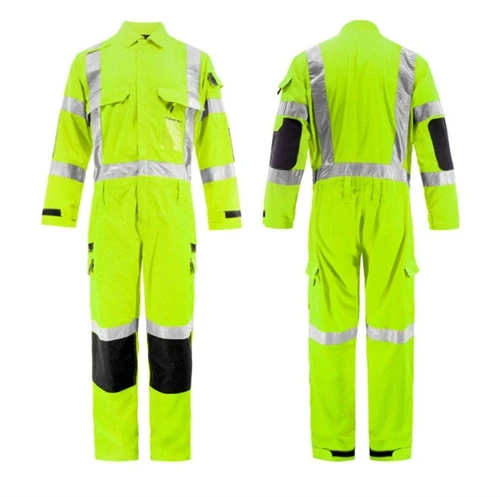
Suitable styles for specific roles (hi vis vests, hi vis jackets, hi vis coveralls)
The result is a shortlist of high visibility workwear for construction and logistics that matches the actual risk level, instead of generic "bright-colored vests".
From "Cold and Wet" to Insulation and Waterproof Ratings
Pain point:
"Crews are always wet and freezing on winter night shifts."
Translate this into:
Waterproof rating (EN343) – not just "water-resistant marketing wording"
Outer shell fabrics like 300D Oxford with taped seams
Insulated softshell or quilted linings to keep workers warm without bulk
Detachable hoods, adjustable cuffs, storm flaps over zippers
Matching hi vis rain suits for road workers that combine waterproofness and visibility
Instead of handing out cheap rain ponchos, you look for:
"ANSI Class 3 winter work jackets"
"EN343 waterproof high visibility rain suits"
"Insulated winter high visibility jackets for road construction crews"
From "Fire or Electric Arc" to FR and CAT 2 Protection
Pain point:
"We have electrical panels, welding and occasional hot work in the same area."
Translate this into:
Flame-resistant or arc-rated garments, not just generic cotton coveralls
CAT 2 FR coveralls for electricians or other FR workwear that meet:
EN11611 / EN11612 (flame and heat)
EN1149 (anti-static where needed)
Inherently FR fabrics (not only treated) and FR sewing threads
High visibility FR tapes where traffic and vehicle risks also exist
From "Lost Gear and Accessories" to Durable, Reflective Add-ons
Pain point:
"Workers keep misplacing small items and drivers don't see them when they walk across the yard."
Translate this into:
LED reflective armbands or USB rechargeable reflective LED armbands for night visibility
LED reflective sport waist belts and LED reflective running belt pouches for carrying phones, keys and small tools
Reflective tote bags, dry bags and backpacks for warehouse and delivery staff
These accessories are quick wins: low cost, high visibility improvement and more convenient for workers.
Matching USPs to Construction Site Pain Points – Practical Examples
Reducing Struck-By Incidents on Road and Bridge Projects
Pain point:
Night work on highways and bridges
Fast-moving vehicles, complex detours, narrow working space
Match product USPs:
Hi vis jackets, vests and coveralls certified to EN ISO 20471 Class 3 for workers close to traffic
PVC traffic cones with rubber base and two reflective collars to create clear visual channels for drivers
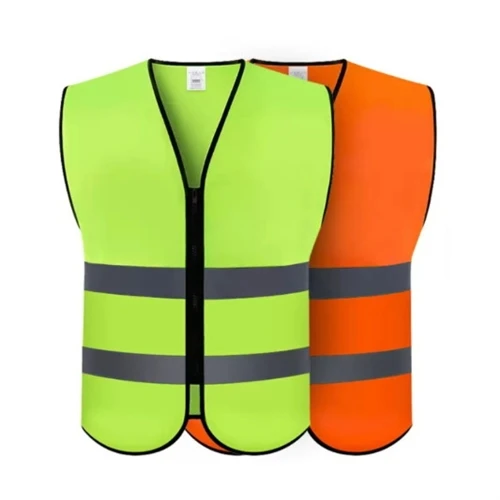
V-neck reflective safety vests for traffic controllers and flaggers
Hi vis rain suits for road construction crews that include reflective striping on jacket and pants
This combination ensures that:
Drivers can see workers and traffic control devices earlier
Workers are visible from all angles
The same color code and reflective pattern is used across prime and subcontractors
Keeping Concrete and Steel Workers Warm and Dry
Pain point:
Bridge and high-rise projects with open, windy environments
Concrete and steel crews exposed to rain and snow
Match product USPs:
Insulated winter work jackets with waterproof 300D Oxford outer shell and warm lining
Reflective workwear hoodies that workers actually like to wear under harnesses
Waterproof hi vis rain suits with breathable layers to prevent overheating
Key USPs here include:
High visibility reflective tapes for low-light conditions
Reinforced elbows, shoulders and knees for high-wear zones
Adjustable cuffs and hems to keep wind and water out
Standardizing Uniforms Across Subcontractors
Pain point:
Every subcontractor uses different colors and PPE brands
Hard to control quality, standards and brand image
Match product USPs:
Suppliers offering OEM hi vis workwear manufacturer services
Customized colors that fit the general contractor's brand while staying compliant
Custom logo high visibility workwear across jackets, vests, rain suits and FR coveralls
Broad size runs (XS–5XL or more) for global crews
By standardizing your construction safety workwear, you improve safety, visibility and professional appearance while simplifying procurement.
Matching USPs to Logistics and Warehouse Pain Points
Safe Movement in Busy Aisles and Loading Docks
Pain point:
Warehouse aisles and loading docks with mixed forklift and pedestrian traffic
Limited visibility near racks and trailers
Match product USPs:
Lightweight hi vis vests with breathable mesh and durable seams for everyday warehouse PPE
Warehouse safety vests with clear color coding for pickers, drivers and supervisors
USB rechargeable reflective LED armbands or belts for nightshift workers in loading bays
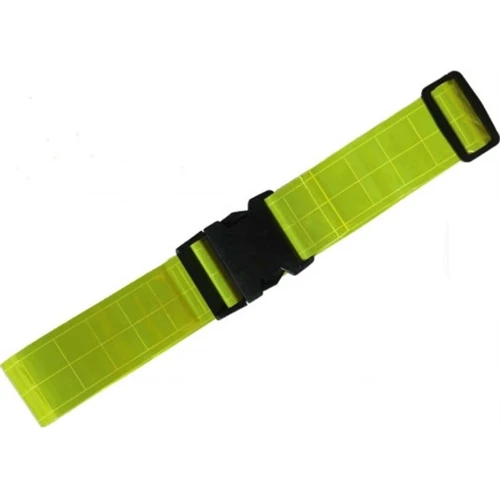
Reflective belts for warehouse workers to ensure visibility even when jackets are removed
These solutions address the reality that warehouse workers often resist heavy jackets; lightweight high visibility workwear is more likely to be worn correctly.
Night Shifts and Last-Mile Delivery
Pain point:
Drivers and delivery staff working early mornings and late evenings
Frequent in-and-out of vehicles and walking across dark yards and streets
Match product USPs:
Hi vis softshell winter work jackets for outdoor jobs that are windproof, water-resistant and comfortable for driving
High visibility workwear for construction and logistics that looks professional enough for customer-facing roles
Reflective bags, dry bags and backpacks to keep staff visible even when they carry parcels or equipment
Here, combining logistics safety workwear with reflective accessories significantly improves visibility and brand image without restricting movement.
How to Compare Suppliers Beyond Price
Once you know your pain points and technical requirements, compare suppliers on more than just unit cost.
Key USPs to evaluate:
Standards and compliance
Can they consistently produce EN ISO 20471, ANSI 107, EN343, EN11612, EN1149 compliant products?
Do they have documented test reports and certifications?
Materials and construction
Are they using proven fabrics such as 300D Oxford, FR blends, high-quality reflective tapes?
Do they control stitching quality, bar-tacks, reinforcement and seam sealing?
OEM/ODM capabilities
Can they develop custom hi vis rain suits for road workers, CAT 2 FR coveralls for electricians, and tailored sizes?
Can they support branded designs and packaging for global rollouts?
MOQ, lead time and logistics
Can they meet your minimum order expectations by project, not just by product?
Do they have stable lead times and global shipping experience?
Support and collaboration
Are they ready to review your PPE risk map and suggest PPE supplier for construction and logistics solutions?
Can they provide sample sets for fitting and pilot programs?
A supplier with strong USPs in these areas will reduce your total cost and risk far more than a small discount on unit price.
Implementation Roadmap: From Pilot to Rollout
To make sure matched USPs really solve your pain points, roll out in stages:
Pilot on high-risk sites
Choose one road project and one warehouse with the most incidents.
Deploy a complete set of high visibility workwear, FR coveralls, rain suits and accessories that match your risk map.
Define KPIs
Incident and near-miss rates (especially struck-by and visibility related)
Worker feedback on comfort, fit and usability
Garment damage and replacement frequency
Compliance observations during safety walks
Collect feedback and refine
Speak with supervisors and workers after 2–3 months.
Adjust sizes, styles (e.g., more softshell jackets, fewer heavy coats), and accessory mix.
Scale to other sites and regions
Standardize what works into a corporate PPE program template.
Roll out across construction sites and logistics hubs, using your chosen wholesale PPE supplier for contractors as a long-term partner.
This structured approach ensures you are not just buying new gear but building a coherent PPE strategy.
Turn Pain Points into Strategy, Not Just Purchases
Matching product USPs to real pain points in construction and logistics is one of the fastest ways to:
Reduce incidents and near-misses
Improve worker comfort and adoption of PPE
Strengthen compliance and brand image
Lower total cost of ownership by buying smarter, not just cheaper
Instead of flipping through catalogs and guessing, map your pain points, translate them into clear technical requirements, and then select high visibility workwear for construction and logistics, FR garments, rain suits and accessories that directly address each risk.
If your teams are ready to upgrade, start by documenting your top 3–5 pain points per site and share them with your PPE supplier. From there, you can co-create a targeted, data-driven PPE program that protects your people and your projects.