Aviation GSE hi-vis uniforms are protective work garments designed for ramp crews, baggage handlers, fuel service teams, aircraft maintenance staff and ground support equipment operators working around aircraft, vehicles and low-light tarmac zones. For airport safety clothing procurement, buyers must specify Class 3 visibility layouts, rain protection, zipper and fastener strength, radio attachment points and reflective tape placement before OEM sampling.
On a runway or apron, a uniform is not only a garment. It is a visibility surface, communication support platform, weather barrier and load-bearing workwear system used near moving aircraft, service trucks, fuel equipment and jet blast zones.

Class 3 Configuration Requirements for Apron, Runway and Tarmac Operations
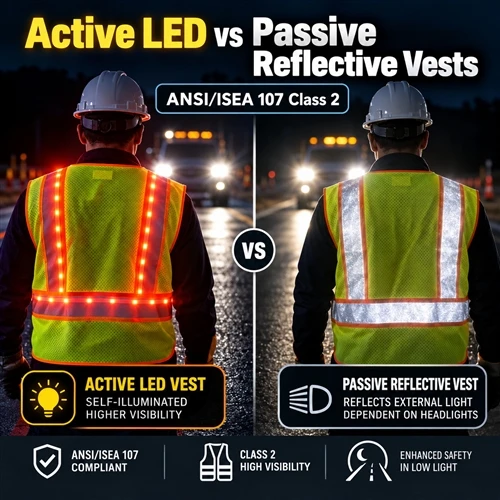
Airport ground crews work under aircraft lighting, vehicle headlights, hangar shadows, rain glare, fog, night shifts and reflective wet pavement. For aviation GSE hi-vis uniforms, Class 3 configuration is often required when the wearer needs maximum body visibility in high-risk movement zones. The buyer should define whether the target route is ANSI/ISEA 107 Type R Class 3, EN ISO 20471 Class 3, or a project-specific airport PPE specification.
Class 3 visibility is not achieved by fabric color alone. It depends on the total fluorescent background area, retroreflective material area, tape width, tape placement and garment type. Long sleeves, torso coverage and reflective tape on both upper and lower body zones improve recognition of human movement around aircraft and GSE vehicles.
|
Specification Point |
Recommended Buyer Check |
Procurement Meaning |
|
Visibility Class |
ANSI/ISEA 107 Type R Class 3 or EN ISO 20471 Class 3 by project |
Confirms high-risk tarmac visibility route |
|
Reflective Tape Width |
50 mm commonly used for hi-vis workwear |
Supports stronger recognition under headlights |
|
Reflective Material Type |
Glass bead or micro-prismatic reflective tape |
Determines angular light return and flexibility |
|
Garment Base |
Jacket, rain jacket, coverall, vest-trouser set |
Affects total visible surface area |
|
Background Fabric |
Fluorescent yellow, orange-red or lime |
Supports daytime and low-light contrast |
|
Sleeve Tape |
Full sleeve or biceps/forearm layout |
Helps identify arm movement during marshalling |
|
Lower Body Visibility |
Reflective bands on trousers or coveralls |
Helps vehicle operators identify worker position |
|
Weather Layer |
Waterproof shell or rain gear option |
Required for wet apron and storm conditions |
50 mm Reflective Tape Placement for Aircraft-Side Recognition
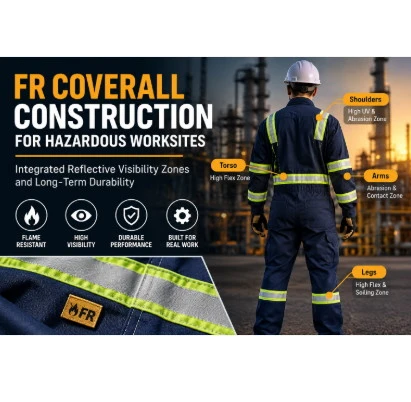
For ramp workers, reflective placement should make the body shape readable from multiple directions. Chest and back tape alone may not be enough when a worker turns sideways near baggage tractors, refueling vehicles or aircraft tow equipment. Sleeve and shoulder tape help supervisors and vehicle operators recognize arm movement, which is important during hand signals, loading work and equipment control.
A practical aviation GSE uniform specification should include:
50 mm retroreflective tape on torso, sleeves and lower-body zones
Fluorescent shell fabric in yellow, orange-red or buyer-approved color
Long-sleeve configuration for Class 3 visibility routes
Front and back body recognition under vehicle headlights
Side visibility when the worker turns near aircraft or GSE vehicles
Reflective tape alignment tolerance controlled during bulk production
Size grading review to maintain tape spacing from XS to 5XL
For wet tarmac environments, buyers can review Safety Rain Gear options with waterproof fabric, reflective tape, storm flap construction and project-based logo placement for airport rainwear programs.
Fluorescent Fabric Area and Background Color Control
Airport procurement teams should confirm fluorescent fabric color before bulk production. Fluorescent yellow provides strong daytime contrast, while orange-red may be selected for certain site policies or airport operator requirements. Color consistency matters because airport uniform programs often reorder across multiple seasons.
The buyer should approve a physical fabric swatch or production sample under indoor warehouse light, outdoor daylight and night headlight exposure. Fluorescent fabric can appear different under LED terminal lighting, vehicle headlights and cloudy outdoor conditions. Bulk orders should be checked against the approved color standard before cutting.
Wet Pavement, Fog and Rain Glare Visibility Risks
Rain and wet pavement can create glare around aircraft stands and runway service roads. Reflective tape must return light clearly under direct beam conditions, while the garment surface must resist water penetration if the uniform is used as outerwear. If the project includes rain jackets or waterproof GSE uniforms, buyers should define hydrostatic pressure, seam sealing and breathability requirements before sampling.
|
Weather Requirement |
Technical Parameter to Confirm |
Buyer Risk if Ignored |
|
Rain Protection |
WP 5000–10000 mm by project |
Water may penetrate during long ramp shifts |
|
Breathability |
MVP or RET value by material route |
Worker discomfort during physical loading work |
|
Seam Sealing |
Fully taped or partial seam sealing |
Water may enter shoulder and sleeve seams |
|
Storm Flap |
Front zipper coverage |
Wind-driven rain may enter zipper line |
|
Hood Design |
Fixed, detachable or helmet-compatible |
Poor compatibility with airport PPE layering |
|
Reflective Tape Durability |
Wash and flex testing |
Tape edge lifting after repeated laundering |
Need Aviation GSE Hi-Vis Uniform Samples?
Send your required visibility class, fabric type, reflective tape layout, rain protection target, logo position and size range. We can help confirm sampling details and OEM production route before bulk order confirmation.
Fastener and Zipper Strength Design Against Jet Blast and Airflow Drag
Aviation GSE workers may face strong wind, prop wash, engine intake awareness zones, jet blast direction, rain-driven airflow and repeated movement between vehicles and aircraft stands. Fasteners, zippers, flaps and pocket closures must be specified as functional components, not only garment accessories.
A weak zipper puller, loose snap button or poorly fixed hook-and-loop panel may fail during work, especially when the jacket is worn open, exposed to wind or loaded with tools and radios. For airport safety clothing, the front closure system should reduce accidental opening while allowing quick dressing during shift changes.
|
Component |
Recommended Specification Check |
Failure Risk |
|
Front Zipper |
Coil or molded zipper with reinforced tape |
Jamming, tooth breakage or puller failure |
|
Storm Flap |
Outer flap with snap or hook-and-loop closure |
Wind-driven opening and rain entry |
|
Snap Button |
Rust-resistant metal or plastic snap |
Detachment after repeated use |
|
Hook-and-Loop |
High-cycle closure material |
Weak holding force after dust or laundering |
|
Pocket Zipper |
Reverse coil or covered zipper by project |
Water entry and pocket loss risk |
|
Cuff Closure |
Adjustable hook-and-loop or snap cuff |
Loose sleeve movement in airflow |
|
Hem Adjuster |
Elastic cord or adjustable tab |
Garment lift in strong wind |
|
Reinforced Bar Tack |
Pocket, loop and zipper end reinforcement |
Seam tearing under pulling stress |
Front Zipper Pull Strength and Storm Flap Overlap
For GSE jackets, the zipper must remain functional after repeated bending, squatting, vehicle entry and outdoor rain exposure. A buyer should confirm zipper type, slider size, puller design and front placket construction during sample approval. Storm flap overlap should be wide enough to reduce direct water and wind exposure along the zipper line.
If the garment is used near high airflow zones, the front closure should not rely only on a light zipper without secondary protection. Snap buttons, hook-and-loop tabs or a covered storm flap can help reduce accidental opening, but each closure type must be tested for repeated use.
Cuff, Hem and Pocket Closure Stability Under Airflow
Loose cuffs, open cargo pockets and weak pocket flaps can create snagging risk and reduce worker comfort. For airport ground support uniforms, pocket closure design should match the work role. Baggage handlers may need cargo pockets and reinforced tool pockets, while fuel service crews may need cleaner pocket layouts to reduce snag points.
Cuff and hem structures should be reviewed with actual body movement. If the jacket is too loose, it may lift in wind. If the cuff closure is too weak, sleeves may shift during lifting, marshalling or equipment operation.
Corrosion and Low-Temperature Resistance of Hardware
Airport workwear may face rain, de-icing fluids, cold weather, high humidity and outdoor storage. Zippers, snaps, D-rings and metal hardware should be checked for corrosion resistance and low-temperature function. Plastic parts must be reviewed for brittleness in cold weather if the garment is used in winter airport operations.
|
Test Item |
Practical Check |
Acceptance Focus |
|
Zipper Operation |
Open-close cycle test |
Smooth operation without jamming |
|
Puller Strength |
Manual pull and repeated handling |
No puller detachment |
|
Snap Retention |
Opening and closing cycle test |
Stable holding force |
|
Hook-and-Loop Strength |
Peel test after lint exposure |
Usable closure after repeated use |
|
Cuff Adjustment |
Fastening under movement |
No loose sleeve opening |
|
Pocket Closure |
Loaded pocket and flap test |
No accidental opening |
|
Hardware Corrosion |
Humidity or salt-spray route by project |
No visible rust or staining |
For airport buyers requiring outerwear with stronger rain and wind protection, Safety Jackets can be specified with waterproof shells, reflective tape, front storm flaps, sealed seams, adjustable cuffs and custom logo marking.
Seam Pull-Out Testing for Radio Communication Attachment Points
Radio communication is part of airport ramp safety. GSE crews often carry radios, ID badges, pens, small tools, keys, access cards and shift documents. A hi-vis uniform for airport ground support should include defined attachment points that do not tear under repeated use.
Radio loops, microphone tabs, chest pockets and badge holders should be treated as load-bearing sewing zones. These components need reinforced stitching, correct placement and pull-out testing. If the radio loop is placed too high, it may interfere with reflective tape or collar movement. If placed too low, the cable may pull across the zipper or pocket opening.
|
Attachment Point |
Common Use |
Engineering Check |
|
Radio Loop |
Handheld radio or microphone clip |
Pull-out resistance and stitch reinforcement |
|
Mic Tab |
Shoulder microphone attachment |
Placement near collar without tape conflict |
|
Chest Pocket |
ID card, pen, small documents |
Pocket load and flap closure stability |
|
D-Ring |
Keys or access card clip |
Webbing strength and bar tack quality |
|
Badge Holder |
Airport pass or company ID |
Visibility and tearing resistance |
|
Tool Pocket |
Small service tools |
Seam strength and pocket depth |
|
Pen Slot |
Ramp documentation tools |
Stitch accuracy and opening size |
|
Cable Route |
Radio cable management |
No interference with zipper and reflective tape |
Radio Loop Pull-Out Resistance and Bar Tack Design
A radio loop must hold repeated clipping, pulling and twisting. For airport safety clothing, the attachment zone should be tested by manual pull and repeated use simulation. Bar tack reinforcement is recommended at both ends of the loop. The base fabric under the loop should not deform or tear when the radio cord is pulled.
The buyer should define the approximate weight and use method of attached equipment. A small microphone tab and a full handheld radio impose different loads. If the same garment is used across different airport teams, the radio loop should be designed for the highest expected load.
Mic Tab Positioning Without Reflective Tape Conflict
Mic tabs should not interrupt the reflective tape layout required for Class 3 configuration. A poorly placed radio tab may cover reflective tape, distort the chest panel or create a hard point near the collar. During sample approval, buyers should check the garment with actual radio and microphone hardware.
For GSE uniforms, the best mic tab position is usually near the upper chest or shoulder zone, but final placement depends on garment style, tape layout, pocket structure and user preference. The sample should be reviewed while the wearer bends, reaches and turns.
Seam Strength Tolerance Across XS–5XL Size Grading
Radio loop and pocket placement should be checked across the full size range. A placement that works on size L may be too close to the collar on size XS or too low on size 5XL. Airport uniform programs often require broad size grading because teams include different body types and layered clothing requirements.
|
QC Item |
Suggested Inspection Method |
Buyer Confirmation Point |
|
Radio Loop Strength |
Pull test by project weight |
No tearing or stitch failure |
|
Bar Tack Position |
Visual and manual inspection |
Reinforced at both loop ends |
|
Mic Tab Placement |
Fit test with radio hardware |
No tape coverage or collar conflict |
|
Chest Pocket Load |
Loaded pocket test |
No sagging or seam opening |
|
Badge Holder |
Pull and flex check |
No cracking or tearing |
|
Size Grading |
XS–5XL placement review |
Consistent function across sizes |
|
Reflective Tape Clearance |
Tape layout comparison |
Attachment points do not reduce visibility |
|
Final Packing |
Quantity and labeling check |
Correct size ratio and carton marks |
For OEM aviation GSE hi-vis programs, the approved sample should include the final radio loop, mic tab, pocket configuration, reflective tape layout, fabric color, zipper type and logo position. The production line should use this sample as the reference for cutting, sewing and final inspection.
FAQ
Q: What visibility class should aviation GSE hi-vis uniforms use for tarmac work?
A: Many high-risk apron and runway operations require Class 3-style visibility configuration, depending on buyer standard and local airport rules. Buyers should confirm ANSI/ISEA 107 Type R Class 3, EN ISO 20471 Class 3, or project-specific requirements before sampling and bulk production.
Q: How should buyers test zipper and fastener strength for airport safety clothing?
A: Buyers should check zipper open-close cycles, puller strength, storm flap coverage, snap retention, hook-and-loop peel strength and pocket closure stability. For GSE uniforms, front closures and pocket fasteners must remain stable under wind, rain, bending and repeated shift use.
Q: Can radio loops and mic tabs be customized for airport uniform programs?
A: Yes. Radio loops, mic tabs, D-rings, badge holders and pocket structures can be customized by work role. Buyers should provide radio hardware size, preferred attachment position and reflective tape layout before sampling to prevent placement conflicts and seam failure.
Start Your Aviation GSE Uniform Project
Specify your target visibility class, weather protection requirement, reflective tape layout, zipper strength, fastener structure, radio attachment design, logo artwork and order quantity.
We can support sample development, material matching, OEM marking and bulk production planning for airport safety clothing programs.
Best for: aviation GSE uniforms, tarmac high visibility workwear, airport safety jackets, waterproof ramp crew uniforms and OEM ground support PPE programs.