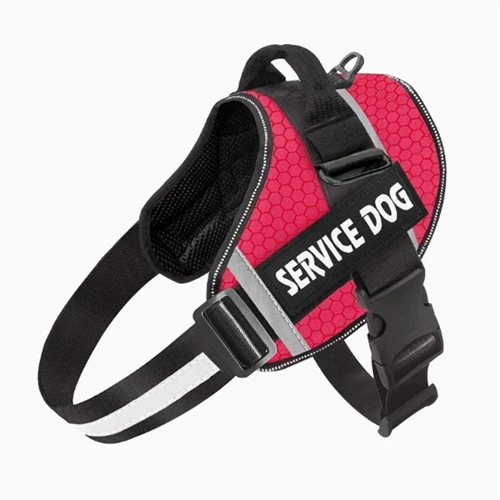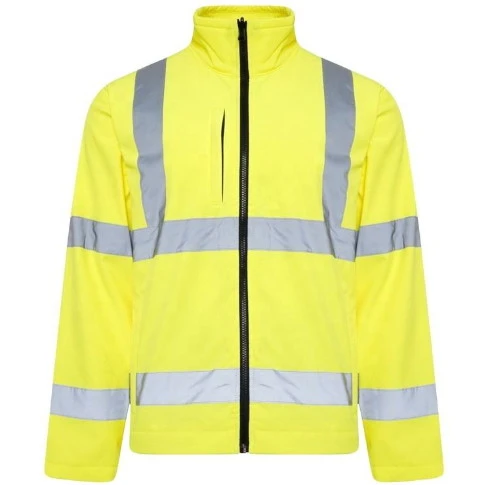
High visibility pet clothes are reflective safety garments designed to improve animal visibility during low-light walking, K9 patrol, search and rescue, traffic-side activity and outdoor retail use. For B2B buyers, the key sourcing points are fabric tear strength, reflective material placement, size grading accuracy, logo printing durability and repeatable bulk production control.
For OEM programs, hi vis pet clothes should not be treated as simple pet fashion items. They combine pet apparel pattern engineering, reflective safety material selection, hardware durability, and private label packaging requirements.
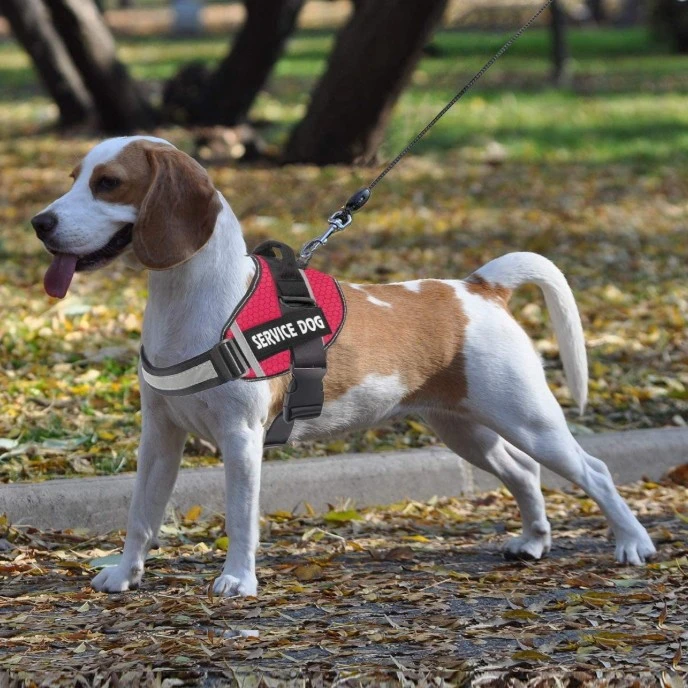
K9 Working Dogs and Rescue Dogs Need Measurable Night Visibility
K9 working dogs, rescue dogs and service dogs often operate in lighting conditions below 50 lux, including forest search zones, roadside rescue areas, construction yards, logistics parks and emergency response sites. In these environments, reflective dog vests and hi vis pet clothes must help handlers identify body position, movement direction and working distance.
For wholesale buyers and private label brands, the garment structure should support both safety and animal mobility. A reflective dog vest manufacturer should confirm the reflective layout before sampling, especially when the garment is intended for K9 teams, outdoor working dogs or nighttime pet safety apparel.
|
Visibility Design Point |
Recommended Sourcing Check |
B2B Manufacturing Note |
|
Reflective tape width |
20 mm, 25 mm or 50 mm options |
Wider tape improves visible surface area |
|
Reflective material type |
Glass bead or micro-prismatic tape |
Micro-prismatic tape gives stronger angular reflection |
|
Base fabric color |
Fluorescent yellow, orange, lime or red |
High contrast helps daytime identification |
|
Rear body coverage |
Back panel, side panel or full wrap design |
Full wrap improves multi-angle visibility |
|
Leash access |
D-ring opening or harness-compatible slot |
Must not block handler control |
|
Edge binding |
Polyester webbing or reflective binding |
Reduces edge fray during repeated use |
|
Closure system |
Hook-and-loop, buckle or elastic chest strap |
Must match dog size and movement level |
For standard consumer retail, reflective strips across the back and side panels may be enough. For K9 and rescue use, side visibility and handler recognition distance become more important. A dog moving across a road, trail or dark work area should be visible from the side, not only from behind.
Buyers building a broader pet safety category can connect this product with Pet Clothes pages to group reflective dog vests, pet raincoats, winter dog jackets and OEM pet apparel under one sourcing path.
Need Bulk Pricing for Reflective Dog Vests?
Send us your dog vest size range, reflective tape width, logo position and target order quantity. We will help confirm sample details, material options and bulk production cost for your hi vis pet clothes program.
For: reflective dog vests, K9 safety apparel, rescue dog vests and private label pet safety products.
Nylon Ripstop Fabric Tensile Testing for Reflective Dog Vests
The base fabric determines whether reflective pet apparel can survive outdoor use, repeated leash contact, pulling force and washing. For hi vis pet clothes, common fabric choices include polyester Oxford, nylon ripstop, softshell, mesh, fleece lining and PVC-coated waterproof fabric.
Nylon ripstop is often selected for active dog wear because the reinforcement grid helps slow tearing after puncture or abrasion. For promotional pet safety vests, PP nonwoven or lightweight polyester may be acceptable. For rescue dog gear, 300D or 600D Oxford fabric offers better body and abrasion resistance.
|
Fabric Option |
Typical Specification |
Suitable Use |
Buyer Risk to Check |
|
210D Polyester Oxford |
Lightweight woven fabric |
Retail pet safety vest |
Lower tear resistance under heavy pulling |
|
300D Oxford Polyester |
Medium-duty woven fabric |
Daily walking, outdoor pet apparel |
Confirm coating and color fastness |
|
600D Oxford Polyester |
Heavy-duty woven fabric |
K9 working dog vest, rugged use |
Higher weight may reduce comfort |
|
Nylon Ripstop |
Grid-reinforced fabric |
Active dogs and rescue use |
Check tear strength after coating |
|
Birdseye Polyester Mesh |
Breathable open mesh |
Summer visibility vest |
Lower wind and rain protection |
|
PVC-Coated Fabric |
Water-resistant surface |
Rain and muddy environments |
May reduce breathability |
300D Oxford or Nylon Ripstop with 20–50 mm Reflective Tape
For a practical OEM specification, buyers can request 300D Oxford polyester or nylon ripstop as the main shell, 20–50 mm reflective tape, polyester edge binding and reinforced stitching around the neck, chest and back strap areas. For rescue or K9 applications, bartack reinforcement should be added at stress points.
A reflective dog vest manufacturer should check the following before bulk production:
Fabric tensile strength under buyer-defined load testing
Reflective tape adhesion or stitching strength after washing
Hook-and-loop peel strength after repeated opening cycles
Color fastness under rubbing and mild washing
Metal D-ring or plastic buckle strength under pulling force
Logo printing resistance after bending and washing
Logo customization can be handled by silk screen printing, heat transfer printing, woven labels, rubber patches or reflective printing. For private label pet clothes, heat transfer logos are common because they support clean branding on curved garment panels. For high-friction areas, sewn woven labels or rubber patches may be more stable.
Brand OEM Size Grid Calculation for Pet Clothes Manufacturing
Pet clothing sizing is more difficult than standard human workwear because dog breeds have different chest depth, neck width, back length and body curve. A buyer cannot rely on only S, M, L and XL labels. Bulk OEM production needs a measurable size grid with tolerance control.
The three most important dimensions for hi vis pet clothes are neck girth, chest girth and back length. Chest girth usually controls garment fit because it affects breathing space, strap length and closure position. Back length controls reflective panel coverage. Neck girth affects comfort and movement.
|
Size |
Back Length |
Chest Girth |
Neck Girth |
Typical Fit Range |
|
XS |
20–24 cm |
30–36 cm |
22–28 cm |
Small breeds, puppies |
|
S |
25–29 cm |
37–44 cm |
29–34 cm |
Small dogs |
|
M |
30–35 cm |
45–54 cm |
35–42 cm |
Medium dogs |
|
L |
36–42 cm |
55–66 cm |
43–50 cm |
Medium-large dogs |
|
XL |
43–50 cm |
67–78 cm |
51–58 cm |
Large dogs |
|
2XL |
51–60 cm |
79–92 cm |
59–68 cm |
Large working dogs |
±1–2 cm Tolerance Control for OEM Pet Apparel
For OEM manufacturing, a realistic tolerance is usually ±1 cm for small sizes and ±2 cm for larger sizes, depending on fabric thickness and sewing structure. If reflective tape is stitched across the back panel, the pattern must allow enough room so the tape does not deform after the dog bends or runs.
The size grid should be finalized before sample approval. A good sample order should include at least one small size, one mid-size and one large size, so the buyer can check pattern scaling instead of approving only one size.
For wholesale suppliers, the size ratio should be based on the sales channel. Online retail buyers may need a balanced XS–2XL ratio. K9 and outdoor workwear distributors may need more L, XL and 2XL units. Promotional buyers may prefer adjustable one-size designs with hook-and-loop straps to reduce inventory complexity.
OEM Printing, Private Label Packaging and Bulk Lead Time Control
Hi vis pet clothes are usually ordered by pet product brands, outdoor retailers, promotional gift distributors, rescue supply buyers and safety apparel for pets wholesalers. The same garment can be positioned differently depending on printing, packaging and reflective material grade.
|
OEM Item |
Common Option |
Production Control Point |
|
Logo printing |
Silk screen, heat transfer, reflective print |
Check artwork size and wash resistance |
|
Brand label |
Woven label, printed neck label, rubber patch |
Confirm stitch position and color |
|
Packaging |
Polybag, header card, carton packing |
Match retail or wholesale channel |
|
Color |
Orange, yellow, lime, red, blue, black |
Confirm Pantone or lab dip before bulk |
|
Reflective tape |
Glass bead or micro-prismatic |
Confirm width, grade and placement |
|
Sample order |
Pre-production sample available |
Approve size, print and material together |
|
Lead time |
Usually depends on material and printing |
Confirm after sample approval and order quantity |
For China OEM sourcing, buyers should send a technical pack with size chart, fabric type, reflective tape position, logo artwork, packaging method and order forecast. If the buyer has no tech pack, a supplier can develop one from a reference image, target breed size range and intended market channel.
Private label programs should confirm carton marks, barcode labels, hangtags, warning labels and care instructions before bulk packing. This prevents repacking cost after production is finished.
Manufacturing Risk Checklist for Reflective Pet Safety Apparel
The main production risks in hi vis pet clothes are not limited to fabric selection. Most bulk quality issues come from incorrect size grading, weak closure strength, unstable logo printing, poor reflective tape placement or inconsistent color across batches.
|
Risk Area |
What to Inspect |
Corrective Action Before Bulk |
|
Fit accuracy |
Neck, chest and back length |
Approve full size chart before cutting |
|
Reflective position |
Back and side visibility |
Mark tape position on paper pattern |
|
Closure strength |
Hook-and-loop or buckle pull strength |
Add bartack or stronger webbing |
|
Logo durability |
Peeling, cracking or color shift |
Test print on final fabric |
|
Fabric tearing |
Pulling and abrasion zones |
Use ripstop or higher denier Oxford |
|
Batch color |
Fluorescent shell fabric matching |
Approve lab dip or bulk fabric swatch |
|
Packing error |
Size ratio, barcode and carton mark |
Run pre-shipment packing inspection |
For B2B buyers, one approved sample is not enough if the order includes multiple sizes, colors and logo positions. The supplier should confirm a pre-production sample and keep it as the inspection reference for the sewing line and final QC.
FAQ
Q: How should buyers test reflective tape performance on hi vis pet clothes?
A: Buyers should confirm reflective tape type, width, placement and wash resistance before bulk order approval. For stronger visibility, request reflective material samples under flashlight or headlight testing. For K9 or rescue use, check side visibility, not only the back panel.
Q: Can custom logo printing stay stable on curved dog vest panels?
A: Yes, but artwork size and position must match the fabric curve. Heat transfer printing works well for clean brand marks, while woven labels or rubber patches are better for high-friction zones. Bulk production should use the approved fabric and final logo method.
Q: What is a practical MOQ for OEM reflective dog vests?
A: MOQ depends on fabric, color, size range and logo method. A lower MOQ is usually easier with stock fabric and standard tape. Custom dyed fabric, private label packaging or multi-size grading increases minimum order quantity and sample approval time.
Request OEM Pricing for Hi Vis Pet Clothes
Send us your size grid, reflective tape requirement, logo artwork, target color and packaging plan. We will help confirm the right fabric, reflective layout, sample details and bulk production cost for your hi vis pet clothes project.
Best for: reflective dog vests, K9 working dog apparel, pet safety vests, private label pet clothes and wholesale OEM orders.