
How Waterproof Dry Bags Help Motorcycle Riders in Adventure Touring
When you talk about real adventure touring on a motorcycle, you're talking about long days, mixed weather, and constantly changing road conditions. From high mountain passes and foggy coastal roads to dusty gravel and sudden thunderstorms, both the rider and the luggage system are pushed to their limits.
That's where waterproof dry bags become one of the most important pieces of gear a motorcycle rider can own. They don't just keep your clothes from getting damp-they protect your safety, comfort, and peace of mind on every kilometer of the trip. For riders, they're an essential part of adventure touring. For brands and distributors, they're a high-value product category with strong demand and repeat purchase potential.
In this article, we'll look at how waterproof dry bags help motorcycle riders in adventure touring, how they are built, how they protect gear, and why B2B buyers should consider adding OEM waterproof dry bags to their motorcycle product line.
Why Adventure Motorcycle Riders Rely on Waterproof Dry Bags
Adventure motorcycle touring is very different from commuting or short weekend rides. Riders may spend days or weeks on the road, often far away from cities, hotels, or repair shops. They ride in:
Unpredictable weather – sudden rain, wet snow, heavy fog
Variable terrain – asphalt, gravel, dirt, river crossings
Remote locations – mountains, forests, desert, and coastline
On this kind of trip, riding with the wrong luggage can quickly destroy the entire experience. A traditional backpack or non-waterproof soft bag will slowly let moisture in. A small leak during a one-hour commute might not seem serious-but during a full day in heavy rain, it can mean:
Wet base layers and insulated mid-layers
Soaked sleeping bags and tents
Damaged electronics and batteries
Ruined documents and maps
When a rider arrives at camp and finds that all their "dry" clothes are wet, the journey stops being fun and starts becoming dangerous. That's why so many adventure riders change their luggage system to include waterproof dry bags-they want reliable, sealed storage that protects their gear in any weather.
For B2C riders, that means better trips. For B2B buyers, it means a clear opportunity: supplying waterproof dry bags for motorcycle adventure touring as part of a complete luggage and safety gear line.
What Makes a Dry Bag Truly "Waterproof" for Motorcycling
Not every bag with the word "waterproof" on the label is actually suitable for real-world adventure touring. Motorcycle riders need waterproof dry bags that can survive continuous rain at highway speed, splash from puddles, and even the occasional tip-over in mud or snow.
Waterproof Materials and Construction
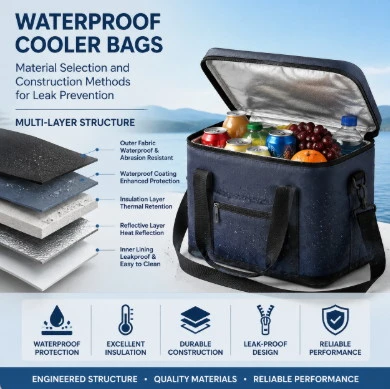
True dry bags are usually made from heavy-duty, coated fabrics and welded construction. Common choices include:
PVC or PVC-coated polyester
TPU-laminated fabric
High-denier nylon with waterproof coating
Unlike casual daypacks, which often rely on stitched seams and light coatings, waterproof dry bags are typically built with welded seams. This kind of construction fuses the fabric together instead of sewing it, eliminating tiny holes that can let water in.
Important construction features for motorcycle use include:
Thick, durable fabric – resists abrasion from racks and luggage frames
Reinforced bottom – handles the weight of tools, spare parts, and heavy gear
Welded or taped seams – no stitching holes along critical joints
Some dry bags are also tested to specific waterproof ratings (often described with IP codes). For adventure touring, riders usually look for bags that can handle heavy rain and road spray over long hours, not just a short shower.
Roll-Top Closure vs Zippers on the Road
One of the key differences between waterproof dry bags and standard luggage is the roll-top closure. Instead of relying solely on a zipper, a roll-top dry bag is sealed by rolling the opening down several times and then clipping the ends together or to side buckles.
This design offers several advantages:
Creates a mechanical water barrier when rolled at least three times
Allows the rider to compress air out of the bag for a more compact load
Works even when dust, mud, or light ice make zippers less reliable
Zippers are convenient for urban backpack use, but on a wet, dirty adventure trip they can wear out or start to leak. A roll-top waterproof dry bag gives riders more confidence in constant rain, river crossings, or long highway sections with strong spray coming off the road.
For motorcycle gear brands, offering dry bags with robust roll-top closures and clear waterproof ratings is a strong selling point in product descriptions and marketing materials.
How Waterproof Dry Bags Protect Essential Gear on Adventure Tours
Adventure riders don't just carry a spare T-shirt and a phone. On long tours, especially in remote places, the bike becomes a moving mini-home. Waterproof dry bags play a crucial role in keeping that "home" functional, comfortable, and safe.
Keeping Clothes, Sleeping Gear, and Food Supplies Dry
Most riders who use dry bags quickly develop their own packing system. A typical setup could look like this:
One dry bag for clothing – base layers, mid-layers, socks, underwear, spare gloves
One dry bag for sleeping system – sleeping bag, liner, lightweight pillow
One dry bag for food and cooking gear – dry food, snacks, compact stove, small fuel canisters
When all of these items stay completely dry, the rider benefits in several ways:
They can put on warm, dry layers after a wet riding day
Their sleeping bag works efficiently, keeping them warm and rested
Food stays safe and free from contamination or moisture damage
On a multi-day adventure, staying warm and dry is not just about comfort-it's about staying healthy and maintaining concentration on the bike. Riding all day with wet gear increases fatigue, raises the risk of minor illnesses, and makes riders more likely to make mistakes.
Different waterproof dry bags capacities-such as 10 L, 20 L, 30 L, or 40 L-allow riders to customize their packing system. Smaller bags can be used inside panniers, while large duffel-style dry bags can sit on the rear rack or pillion seat.
Protecting Electronics, Tools, and Documents
Modern riders carry more electronics than ever:
Smartphones and power banks
Action cameras, camera lenses, and chargers
GPS devices and tablets
Drones and additional batteries
Water damage to any of these items can be expensive and frustrating. A dedicated waterproof dry bag for electronics gives a second layer of protection. Some riders even use smaller dry bags inside a larger one for extra security.
Tools and critical documents also need protection:
Toolkit, tire repair kit, and small parts
Registration papers, insurance documents, permits
Printed maps or notes for border crossings
By keeping these in a motorcycle dry bag or in smaller inner dry bags, riders reduce the risk of losing important items to sudden storms or accidental spills.
For B2B buyers and gear brands, these protection benefits can be highlighted clearly in marketing copy. Showing how a waterproof motorcycle dry bag protects expensive electronics and essential paperwork is an effective way to connect with real-world rider needs.
Mounting Options: Where Motorcycle Riders Use Dry Bags
Another reason waterproof dry bags are popular with motorcycle riders is their flexibility. One bag can be mounted in several different ways, depending on the bike, the route, and the rider's personal style.
On the Rear Rack, Seat, and Side Panniers
Many riders mount a large waterproof dry bag on the rear rack or across the pillion seat. This position usually provides:
A balanced weight distribution
Easy access at fuel stops or rest breaks
Good clearance from the exhaust and moving parts
Side panniers-hard or soft-can be combined with dry bags to create a complete motorcycle luggage system. Riders often:
Use panniers for heavy tools and spare parts
Use a rear-mounted dry bag for soft items like clothes and sleeping gear
Add small dry bags for motorbikes on top of panniers for quick-access items
When waterproof luggage for motorcycles is designed with multiple tie-down points and strong handles, it becomes much easier for riders to fix the bags securely and adjust the setup on different bikes.
Tail Bags, Tank Bags, and Backpack-Style Dry Bags
Not all dry bags are the same shape. To support adventure touring, manufacturers often offer several styles:
Tail dry bags / waterproof duffel bags – large cylindrical or rectangular bags for rear racks
Compact dry bags – mounted on the tank, handlebars, or crash bars for tools and essentials
Backpack-style waterproof dry bags – with shoulder straps, useful for riders who need to carry gear away from the bike at campsites, hostels, or during flights
Together, these create a modular motorcycle luggage system that riders can customize for weekend trips or multi-week expeditions.
For brands, having a full series of waterproof dry bags in different shapes and capacities helps build a stronger product line. Riders can start with one tail bag, then later add smaller dry bags and backpack-style options from the same brand.
Safety Benefits: Visibility, Stability, and Less Stress
When you think about dry bags, it's easy to focus only on waterproofing. But for motorcycle riders, safety is just as important. Smartly designed waterproof dry bags can improve visibility and stability on the road.
Bright Colors and Reflective Elements for Night Riding
Adventure touring often involves early starts before sunrise and late arrivals after dark. Riders may also pass through fog, heavy rain, and low-light forest sections. In all those conditions, being seen by other drivers is critical.
That's why many riders choose dry bags in high-visibility colors:
Fluorescent yellow or lime
Bright orange
Vivid red or blue, often with reflective details
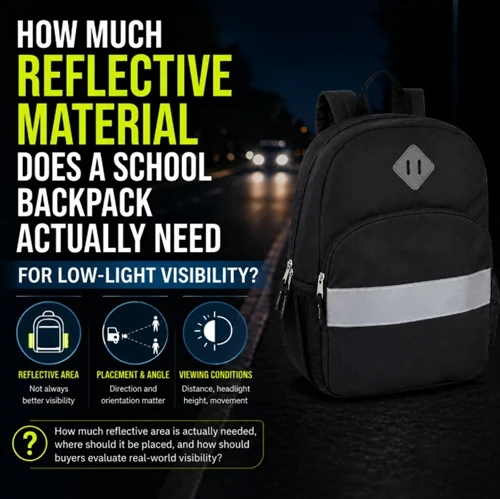
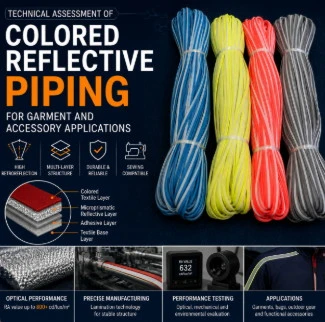
Dry bags with reflective prints, piping, or webbing can act like additional visibility panels on the bike. When car headlights hit these reflective elements at night, they help other road users see the motorcycle from a distance.
This creates a strong product link between waterproof dry bags and other safety gear, such as hi-vis jackets and reflective vests. For B2B buyers, offering hi-vis and reflective options in dry bag lines is a smart way to create cross-selling opportunities.
Secure Straps and Balanced Load
A bag that moves around, slides to one side, or suddenly comes loose is a serious safety hazard. When designing or selecting waterproof motorcycle dry bags, stability is just as important as waterproofing.
Good dry bags for adventure touring typically include:
Multiple D-rings for flexible strap routing
Compression straps to tighten the load
Non-slip material on the base or contact areas
Strong handles for lifting and repositioning
When a rider can trust that their dry bag will remain stable at highway speeds, on rough gravel, and in crosswinds, they feel more relaxed and can focus on the road. A well-balanced, securely mounted motorcycle dry bag directly contributes to riding safety and reduces stress.
With so many options on the market, riders and buyers need clear criteria for choosing the right waterproof dry bags for adventure touring. The best choice depends on capacity, shape, durability, and brand needs.
Capacity, Shape, and Durability
Riders planning different types of trips will need different setups:
Weekend trips – 20–30 L tail bag may be enough
One-week tours – combination of panniers and 30–40 L rear dry bag
Long expeditions – multiple dry bags plus tank bags and tool rolls
Key factors to consider include:
Capacity (L) – ensures enough volume for clothes, camping, and tools
Shape – tube-style bags for narrow racks, duffel-style for broad seats or panniers
Material thickness and denier rating – for abrasion resistance on racks and in drops
Reinforced sections – especially on the bottom, corners, and strap connection points
A well-chosen waterproof dry bag should last for many trips, even when exposed to UV light, mud, and rough handling.
OEM and Branding Options for Motorcycle Gear Companies
From a B2B perspective, waterproof dry bags are not just functional products-they are also powerful branding surfaces. Large, clean panels and long cylindrical shapes provide ideal space for custom logos and brand messages.
OEM and private label options may include:
Custom body colors to match a motorcycle gear line
Printed or heat-transfer brand logos
Reflective logos for extra night-time visibility
Customized strap colors and zipper pulls
Hang tags and packaging tailored to specific markets
By offering OEM waterproof dry bags and custom logo dry bags, manufacturers help motorcycle gear companies build a consistent brand image across:
Jackets and pants
Gloves and boots
Helmets and soft luggage
Adventure touring accessories
For distributors and wholesalers, adding branded dry bags is an effective way to increase average order value and create upsell possibilities when customers buy other gear.
Real-World Packing Tips for Moto Adventure Riders
Even the best waterproof dry bags won't help much if they're packed poorly. Many riders appreciate practical tips that they can apply immediately to their own bikes. Sharing these tips in product descriptions or blog content helps build trust.
Here are some simple guidelines:
Separate by function
Clothes in one moto dry bag
Sleeping system in another
Food and cook kit in a third
Tools and spares in a compact dry bag or tool roll
Heavy items low, soft items high
Heavy tools and liquids closer to the bike's center of gravity
Bulky but light items like sleeping bags and jackets on top
Use smaller dry bags inside bigger ones
Electronics in a small dry bag for motorbike inside a larger tail bag
Keeps critical items separated and provides extra protection
Check your system each day
Make sure roll-tops are rolled at least three times
Confirm straps are tight and not rubbing on sharp edges
Inspect for wear points where the bag touches racks or panniers
When brands include this kind of practical advice in product pages for waterproof dry bags, riders are more likely to trust the brand and feel that it understands real-world adventure touring challenges.
Why B2B Buyers Should Add Waterproof Dry Bags to Their Motorcycle Gear Line
From a business point of view, waterproof dry bags are an attractive category for motorcycle gear brands, importers, and distributors. Adventure touring and long-distance motorcycle travel continue to grow in popularity worldwide, and riders are investing more in their luggage systems.
Here's why B2B buyers should pay attention:
High practical value and real demand
Adventure riders almost always need one or more waterproof dry bags, even if they already have hard panniers. The demand is ongoing and driven by real use cases.
Repeat purchases and upsell potential
Riders may start with one motorcycle dry bag, then later buy additional sizes, colors, or styles. Bundling dry bags with jackets, helmets, or pannier systems increases average order value.
Brand visibility on the road
With custom logo dry bags, every trip becomes moving advertising for the brand. Riders share social media photos featuring their bikes and luggage, offering organic exposure.
Easy to explain in product marketing
The benefits of waterproof dry bags-dry gear, safety, comfort-are easy to communicate. This makes them suitable for e-commerce, B2B catalogs, and trade shows.
Flexible OEM and private label options
Manufacturers that offer OEM waterproof dry bags can support different markets with specific sizes, materials, and price levels, helping distributors tailor their offer to local needs.
By cooperating with a reliable manufacturer that understands both motorcycle touring and waterproof bag construction, B2B buyers can quickly build a strong luggage lineup that matches rider expectations.
Ride Further with Reliable Waterproof Dry Bags
Adventure motorcycle touring pushes both riders and gear to the edge. Rain, dust, vibration, and long hours on the road can destroy ordinary bags, but waterproof dry bags are designed to handle precisely these conditions.
For motorcycle riders, using the right combination of waterproof dry bags means:
Dry clothes and sleeping gear at the end of a long, wet day
Protected electronics, tools, and important documents
A stable, balanced motorcycle luggage system that feels safe and predictable
Better visibility when bags include hi-vis materials and reflective details
For motorcycle gear brands, distributors, and wholesalers, it means a powerful product category that delivers real value to customers, supports strong branding, and creates repeat business through modular systems and multiple sizes.
Whether you are a rider planning your next adventure tour or a B2B buyer designing your next product line, reliable waterproof dry bags are no longer optional. They are a key part of modern motorcycle adventure touring-helping riders travel further, stay safer, and enjoy every kilometer of the journey.