
Integrating High Visibility with Flame Resistance in Safety Coveralls
Hi-vis FR coveralls are dual-hazard safety wear designed for workers exposed to both low-light visibility risk and thermal ignition risk. A compliant garment must combine flame-resistant fabric, certified reflective tape, FR sewing thread, antistatic components, and controlled garment geometry so that visibility performance does not damage flame resistance.
For distributors, PPE importers, and HSE procurement teams, the main sourcing risk is not whether a coverall looks reflective. The real question is whether every visible component-tape, zipper, thread, label, pocket flap, and print-can survive flame, heat, laundering, and field abrasion without creating a weak point.
Dual-Hazard Protection Requirements in Industrial Worksites
Hi-vis FR coveralls are normally specified for oil and gas, utility maintenance, petrochemical plants, mining, railway maintenance, and roadside electrical work. These sites often combine three risk layers:
| Hazard Layer | Typical Site Condition | Garment Requirement | Relevant Standard Reference |
|---|---|---|---|
| Visibility risk | Vehicle movement, night shift, low-light traffic zones | Fluorescent fabric + retroreflective tape layout | EN ISO 20471 / ANSI/ISEA 107 |
| Flame risk | Flash fire, short thermal exposure, hot work | FR fabric, FR trims, controlled afterflame | EN ISO 11612 / NFPA 2112 |
| Electrical arc risk | Switchgear, utility maintenance, energized panels | Arc-rated fabric with ATPV or EBT value | ASTM F1506 / NFPA 70E |
| Static discharge risk | Fuel handling, chemical processing | Antistatic fiber or grid structure | EN 1149-5 |
| Liquid exposure | Light rain, chemical splash, washdown areas | Optional coated fabric or barrier finish | EN 343 / Type PB garments |
A normal high visibility coverall cannot be converted into FR workwear by simply adding flame resistant reflective tape. The base fabric, sewing thread, zippers, snaps, elastic, pocket reinforcement, and logo method must all be selected as a single risk-control system.
Mid-article sourcing path: for bulk programs requiring EN ISO 20471 layout planning, FR trim selection, and OEM sizing support, review Safety Coverall before confirming final garment construction.
FR Fabric Platform: Cotton, Modacrylic, Aramid, and Blended Systems
The fabric platform determines wash life, thermal stability, garment weight, comfort, and cost. For hi-vis FR coveralls, the most common shell weights are 220–350 gsm, depending on climate and risk rating.
| FR Fabric Type | Typical Weight Range | Main Advantage | Procurement Limitation | Common Use |
|---|---|---|---|---|
| FR cotton | 240–350 gsm | Lower cost, familiar hand feel | Finish durability must be verified after washing | General industrial FR coveralls |
| Modacrylic/cotton blend | 220–300 gsm | Better color retention in fluorescent shades | Higher material cost than FR cotton | Hi-vis FR garments |
| Aramid blend | 180–260 gsm | High thermal stability, lower shrinkage | Higher unit price | Oil, gas, utility, arc-risk zones |
| FR viscose blend | 200–280 gsm | Softer hand feel, better moisture control | Needs controlled shrinkage testing | Warm-climate industrial wear |
| Inherent FR blend | 200–300 gsm | FR property built into fiber | Higher raw material cost | Long-service industrial PPE |
For a hi-vis FR coverall, fluorescent orange or yellow-green fabric should be tested after repeated industrial laundering. Poor dye stability can reduce daytime conspicuity before the reflective tape reaches end of life.
240–300 gsm FR Shell Fabric with Controlled Shrinkage Below 3%
A practical OEM specification should include:
Fabric weight: 240–300 gsm for general FR industrial coveralls
Shrinkage target: below 3% after 5–50 wash cycles, depending on buyer standard
Flame spread: tested against EN ISO 11612 or buyer-selected FR method
Colorfastness: washing, rubbing, perspiration, and light exposure
Optional arc rating: ATPV 8.0 cal/cm² or higher for electrical programs
Optional antistatic structure: carbon grid, conductive fiber, or blended antistatic yarn
Flame Resistant Reflective Tape: Aramid Backing and Thermal Stability
Flame resistant reflective tape must not melt, drip, ignite, or detach under the test conditions specified by the garment program. In dual-hazard safety wear, the tape is not a decoration. It is a tested safety component.
Aramid-Based Flame Resistant Reflective Tape for 50 mm Layouts
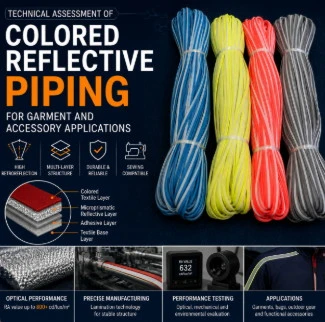
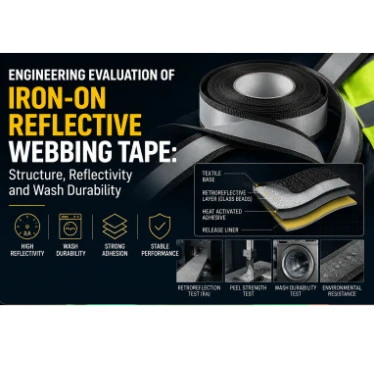
Most industrial hi-vis FR coveralls use 50 mm reflective tape because it fits EN ISO 20471 and ANSI/ISEA 107 garment layout requirements more reliably than narrow trims. FR reflective tape is commonly built on aramid, FR cotton, or modacrylic backing.
| Tape Structure | Reflective Technology | Backing Material | Thermal Behavior | Best Fit |
|---|---|---|---|---|
| Glass bead FR tape | Exposed or enclosed glass beads | FR cotton / aramid | Good flexibility, lower stiffness | Coveralls, jackets, trousers |
| Micro-prismatic FR tape | Prismatic film structure | FR polymer or FR-supported base | High reflectivity, may feel stiffer | Traffic-facing PPE |
| Segmented FR tape | Segmented reflective blocks | FR textile support | Better stretch and breathability | Ergonomic coveralls |
| Industrial wash FR tape | Glass bead or prismatic | Aramid or reinforced base | Better wash durability | Rental laundry programs |
For procurement, the tape data sheet should state flame resistance, retroreflection, wash cycles, recommended application method, and compatibility with the chosen FR fabric.
Retroreflection Coefficient and Wash-Life Control
A common buyer-side mistake is selecting tape only by brightness at delivery. The better control point is brightness after wash, abrasion, and flexing.
| Test Item | Practical Procurement Target | Reason |
|---|---|---|
| Initial retroreflection | >330 cd/lx/m² for high-grade silver tape | Better night visibility margin |
| Tape width | 50 mm | Easier Class 2 / Class 3 layout planning |
| Wash durability | 25–50 cycles, program dependent | Needed for industrial rental or long service |
| Thermal response | No melting, dripping, or ignition under selected FR test | Prevents secondary injury |
| Bond strength | Stable after washing and flexing | Reduces tape lifting at elbows, knees, and shoulders |
Garment Layout: Visibility Class Must Survive Pattern Engineering
A hi-vis FR coverall must be engineered as a certified garment, not a normal coverall with reflective strips placed after sewing. Tape position, fabric area, pocket design, sleeve geometry, and leg coverage affect the visibility class.
EN ISO 20471 Class 2 / Class 3 Layout Planning
| Garment Zone | Recommended Treatment | Procurement Note |
|---|---|---|
| Torso | Two horizontal bands + vertical shoulder bands | Supports 360° visibility |
| Sleeves | Circumferential tape above or below elbow | Avoid tape trapped inside seam folds |
| Legs | Circumferential tape below knee | Keep tape clear of high-friction hem zone |
| Shoulder | Vertical reflective bands | Improves upper-body recognition |
| Pocket area | Tape must not be blocked by flaps or tool loops | Check final pattern, not only design sketch |
A coverall pattern with too many chest pockets, radio loops, ID holders, and contrast panels can reduce visible fluorescent area. For OEM production, layout confirmation should be done on the graded size set, not only on size L.
Manufacturing Assembly: FR Thread, Antistatic Zippers, and Trim Integration
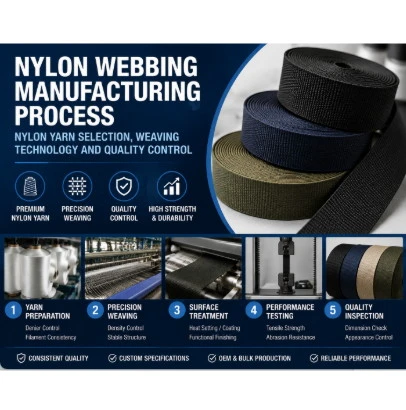
The weakest part of a FR coverall is often not the fabric. It is the trim package. Non-FR thread, plastic zipper tape, ordinary hook-and-loop, elastic, or printed labels can fail before the main shell fabric.
FR Sewing Thread Rated for Thermal Exposure
FR coveralls should use aramid sewing thread or other FR-rated thread compatible with the garment standard. Polyester sewing thread should not be used in flame-risk zones unless the buyer's test protocol permits it for a specific construction.
| Component | Preferred Specification | Why It Matters |
|---|---|---|
| Sewing thread | Aramid or FR-rated thread | Prevents seam failure under flame exposure |
| Zipper | FR zipper tape, metal or FR-rated teeth | Reduces ignition and melting risk |
| Snap button | Metal snap with controlled plating | Better heat stability than plastic snaps |
| Hook-and-loop | FR hook-and-loop | Ordinary nylon hook-and-loop may melt |
| Elastic | FR elastic where exposed | Waist and cuff zones need trim control |
| Label | FR label or heat-stable printed label | Neck and chest labels must not create ignition points |
Seam Construction for Industrial Coverall Stress Points
High-stress zones require more than normal lockstitch sewing. For bulk orders, the following areas should be checked during pre-production inspection:
Crotch seam: bar-tack reinforcement or double stitching
Sleeve joint: controlled seam allowance with no puckering near tape
Knee area: tape spacing away from high-abrasion fold points
Front closure: storm flap coverage without blocking reflective layout
Pocket opening: FR bar tack at both ends
Waist adjustment: FR elastic or internal adjuster away from open flame exposure
Heat Transfer, Screen Print, and Logo Control on FR Coveralls
Brand logos and department markings must not compromise FR performance. Standard PVC heat transfer film, PU transfer film, or ordinary plastisol ink is not suitable for FR garments unless tested as part of the garment system.
| Logo Method | FR Suitability | Procurement Control |
|---|---|---|
| FR embroidery | Good when thread and backing are FR-rated | Avoid dense embroidery on high-flex zones |
| FR screen print | Good with tested FR ink | Confirm wash and flame test result |
| FR heat transfer | Possible with certified FR transfer film | Check application temperature and adhesion |
| Woven label | Possible if FR yarn or protected location | Avoid large exposed labels |
| Ordinary vinyl transfer | Not recommended | May melt or burn under heat exposure |
For China manufacturer, supplier, and factory sourcing programs, artwork approval should include material composition, logo size, placement, and test responsibility. A small chest logo may pass internal review, while a large back print can change thermal and breathability behavior.
Quality Control Plan for Bulk Hi-Vis FR Coveralls
For PPE distributors and industrial buyers, inspection should start before mass production. A pre-production sample is not enough unless the component data sheets and garment test plan are locked.
Factory QC Checklist for 500–5,000 Piece OEM Orders
| QC Stage | Inspection Item | Acceptance Focus |
|---|---|---|
| Material incoming | FR fabric, reflective tape, zipper, thread | Certificates, batch numbers, color shade |
| Cutting | Pattern direction and size grading | No distortion on fluorescent panels |
| Sewing | Seam strength, stitch density, bar tack position | No skipped stitches or thread breakage |
| Tape application | Alignment, distance from seams, bond strength | No lifting, cracking, or tape burn |
| Inline inspection | Workmanship and measurement | Chest, waist, inseam, sleeve length |
| Final inspection | AQL method, packing, labeling | SKU accuracy, carton marks, compliance labels |
| Lab verification | Flame, retroreflection, washing, shrinkage | Buyer-approved test protocol |
Production Lead Time and Sampling Control
| Order Stage | Typical Time Range | Buyer Action |
|---|---|---|
| Material confirmation | 3–7 days | Approve fabric, tape, trim, color |
| Proto sample | 7–12 days | Check fit, tape layout, logo |
| Pre-production sample | 10–15 days | Confirm measurements and components |
| Bulk production | 25–45 days | Depends on fabric stock and order volume |
| Final inspection | 1–3 days | Review AQL report and packing list |
| Shipment booking | 3–10 days | Depends on sea, air, or courier mode |
For repeat orders, lead time can be shortened if FR fabric, flame resistant reflective tape, and trim packages are forecasted in advance.
Buyer Specification Template for Hi-Vis FR Coveralls
A technical RFQ should be written in measurable terms. "Good quality FR coverall" is not a valid specification for factory costing.
RFQ Fields That Reduce Quotation Errors
| RFQ Field | Example Specification |
|---|---|
| Product type | Hi-vis FR coveralls |
| End use | Oilfield, utility, railway, petrochemical |
| Fabric | 260 gsm modacrylic/cotton FR blend |
| Visibility standard | EN ISO 20471 Class 3 or ANSI/ISEA 107 Class 3 |
| FR standard | EN ISO 11612 or NFPA 2112 program requirement |
| Arc rating | ATPV 8.0 cal/cm² minimum, if required |
| Tape | 50 mm flame resistant reflective tape |
| Thread | Aramid FR sewing thread |
| Zipper | FR zipper or metal zipper with protective flap |
| Static control | EN 1149-5 antistatic option |
| Logo | FR print or FR embroidery |
| Size range | S–5XL or buyer grading table |
| Packaging | 1 pc/polybag, export carton, buyer barcode |
| Order model | OEM, ODM, private label, distributor bulk order |
Why Factory-Level Component Control Matters
Hi-vis FR coveralls are only as reliable as the least heat-resistant component. A garment may use FR fabric and still fail a buyer audit because the zipper tape, sewing thread, reflective trim, or logo film is not FR-rated.
For global PPE distributors, working directly with a China factory can reduce repeat sampling cycles when the factory controls material sourcing, pattern engineering, reflective tape placement, logo application, and packing standards under one production file.
End-of-article sourcing path: send your target standard, fabric weight, tape type, size chart, and estimated order quantity through Safety Coverall to request a bulk OEM quotation for hi-vis FR coveralls.
FAQ
Q: What MOQ Is Practical For OEM Hi-Vis FR Coveralls From A China Factory?
A: For most OEM hi-vis FR coveralls, 500 pieces is a practical starting MOQ. Lower quantities may be possible if fabric and flame resistant reflective tape are in stock.
Q: Can Custom Logos Be Added To Flame Resistant Coveralls Without Reducing FR Performance?
A: Yes, but the logo method must use FR-rated embroidery, FR ink, or tested FR transfer film. Ordinary PVC or PU heat transfer logos are not recommended for flame-risk garments.
Q: What Documents Should A PPE Distributor Request Before Bulk Production?
A: Request fabric test reports, reflective tape data sheets, trim specifications, size chart, pre-production sample approval, AQL inspection criteria, packing details, and the applicable FR or high visibility standard references.