
Glow thread (also called glow in the dark thread or luminous thread) has moved far beyond "novelty."
In B2B production, it's now used as a practical, repeatable detail that improves night-time recognition, adds brand differentiation,
and creates premium-looking trim lines-when you apply it in the right places and control cost correctly.
This factory-focused guide breaks down the best applications (logos, outlines, and highlight seams), the production setup
that reduces breakage and rework, and a cost control framework that protects margins without sacrificing the glow effect.
If you are sourcing for bulk programs, you'll also find a QC checklist and buyer-friendly quoting questions.
Quick Links: Glow Thread & Related Materials for Bulk Programs
Glow Polyester Thread (Industrial Grade, 120D–600D, OEM Bulk)
Luminous Embroidery Thread (Logos, Decorative Embroidery, Custom Programs)
Glow Yarn (Knitting/Weaving/Craft & Decorative Stitching)
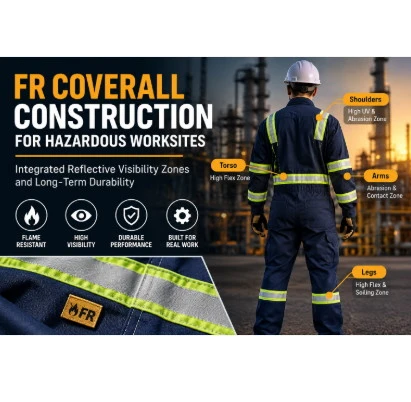
Want a "double-visibility" design? Many brands combine glow thread with reflective trims or logos to achieve daytime reflectivity plus after-dark glow:
see Reflective Piping and
Heat Transfer Reflective Logo.
What Is Glow Thread, and What Matters Most in Factory Production?
Glow thread is a photoluminescent sewing/embroidery thread engineered to store energy from ambient light and then emit visible light in low-light conditions.
From a factory perspective, "good glow thread" is not only about brightness-it's about stable machine runnability, consistent output across bulk lots,
and durability through handling, wear, and care cycles.
The 4 performance factors that impact bulk production
- Batch consistency: glow intensity and shade uniformity across cones, cartons, and repeat orders.
- Sewability: breakage rate, fuzzing, and smooth feeding under normal line speed (especially on long topstitch runs).
- Durability: resistance to abrasion and wash handling for high-contact placements (zipper edges, pocket openings, hems).
- Application-fit: matching thread spec to the job (embroidery detail vs outline line vs seam highlight).
For procurement teams, start with a production-ready specification sheet and confirm you're buying an industrial line thread
(not a craft-only material). For example, an industrial program such as
Glow Polyester Thread
is typically supplied in multiple deniers and cone weights to support factory workflows.
Best Applications in Factory Production (Where Glow Thread Works Best)
In mass production, the most profitable glow thread usage is rarely "maximum coverage."
The best ROI comes from strategic placement-small areas that create a strong visual cue with minimal added labor and minimal risk.
Below are the three most scalable placements: logos, outlines, and highlight seams.
Application #1: Logos (Embroidery, Patch, Label Stitching)
Glow thread works extremely well in logos because buyers typically want a "brand moment" that stays recognizable at night.
The most cost-effective approach is to use glow thread for logo outlines, key letters, or signature icon lines
rather than full-fill embroidery blocks. This reduces stitch count and helps control production time.
If your program also requires reflective performance, consider a dual-material strategy:
- Best for: workwear branding, outdoor sportswear, kids items, backpacks, promotional programs.
- Recommended approach: outline-based embroidery; limited fill; consistent stitch direction to keep appearance uniform.
- Factory benefit: easy to standardize and repeat, especially when using a dedicated embroidery thread such as
Luminous Embroidery Thread.
glow thread for "after-dark outline," and reflective logo solutions for headlight/flash visibility, such as
Heat Transfer Reflective Logo.
This pairing often creates stronger perceived value with a controlled incremental cost.
Application #2: Outlines (Edge Lines, Panels, Trims)
Outline stitching is one of the most production-friendly uses of glow in the dark thread because it delivers a dramatic effect with a simple process:
a single clean line that defines a garment panel, pocket shape, hood edge, or bag silhouette.
Buyers perceive outline glow as "designed," not random-so it's a great method to upgrade product styling without adding complex components.
High-ROI outline placements:
- Hood edge lines and hood panel seams
- Pocket flap perimeter lines (especially on work jackets and cargo pants)
- Front placket edge lines and zipper guard lines
- Back yoke outlines for jackets and softshells
- Bag outer silhouette lines (front panel perimeter)
For outline work, stable runnability matters more than maximum thickness. Many factories select a production-oriented thread like
Glow Polyester Thread
because it is supplied in multiple deniers and cone weights suited to bulk lines.
Application #3: Highlight Seams (Topstitch, Decorative Seams, Seam Accents)
Highlight seams (topstitching and decorative seam accents) are ideal when you want glow cues that follow functional construction lines.
The key is to choose seam locations that are visible but not exposed to extreme abrasion or stretch-unless the thread and fabric system are designed for it.
Recommended highlight seam placements:
- Shoulder seams and upper chest seam lines (high visibility area)
- Side panel seams on jackets or vests
- Zipper tape edge topstitching (controlled, clean geometry)
- Cuff edges and hem edges (moderate abrasion; use proper stitch settings)
Where highlight seams can fail (and how to avoid it):
For brands that sell into safety-focused or outdoor markets, consider adding reflective trims in parallel for maximum visibility impact.
- High-abrasion points: pocket mouth edges, belt loop bases, bag bottom corners. Use shorter stitch lengths only if needed and verify abrasion durability.
- High-stretch areas: stretch knits and elastic seams. Consider combining glow thread accents with stretch-compatible logo solutions like
Heat Transfer Reflective Logo,
which can be designed for stretch fabrics. - Sharp turning points: corners and tight radii increase breakage risk. Use gradual curves or corner stitching rules in the sewing SOP.
A practical factory route is to use glow thread on "design lines" and add reflective trims where compliance or distance visibility is important:
Reflective Piping.
Production Setup: Thread Specs, Stitch Types, and Handling Tips
The fastest way to lose money with glow thread is to skip production setup.
Many "glow thread problems" (breakage, fuzzing, uneven stitches) come from mismatched spec selection, tension settings, or needle wear.
Below is a practical setup approach used by production teams to keep output stable.
Recommended spec selection by use case (practical buyer table)
| Use Case | Best Visual Goal | Practical Spec Guidance | Cost/Process Note |
|---|---|---|---|
| Logo outline embroidery | Sharp brand edges, clean glow | Use a dedicated embroidery program thread such as Luminous Embroidery Thread |
Outline approach reduces stitch count vs full-fill |
| Panel outlines / garment edge lines | Continuous, premium-looking line | Choose stable industrial thread options, e.g. Glow Polyester Thread, and match denier to line thickness needed |
Longest runs: stability matters more than thickness |
| Highlight seams / topstitch accents | Functional seams become visible at night | Use a production-grade sewing thread; validate seam durability via wash/abrasion checks | Plan seam placements to reduce abrasion and rework |
| Knitting/weaving/craft textiles | Textile-wide glow effects | Consider Glow Yarn for knit/weave programs |
Different supply form and process route vs sewing thread |
Machine & needle guidance (reduce breakage and "mystery defects")
If your design includes both glow and reflective elements, keep the technical story clear:
- Needle condition: replace worn needles earlier on long outline runs; worn needles increase fuzzing and breakage.
- Thread path inspection: check guides and tension discs for burrs; micro damage can create repeated breaks.
- Start with conservative tension: too-high tension increases breaks; tune in small increments until stitches are balanced.
- Speed control for corners: reduce speed at sharp turns; define a corner SOP for consistent output.
- Stitch length discipline: avoid extremes; choose a stable stitch length that balances appearance and durability.
glow thread for "after-dark visible lines," and reflective thread/trim for "headlight/flash reflectivity."
For reference, you can compare reflective thread options here:
Reflective Embroidery Thread
and Reflective Sewing Yarn for Embroidery.
Wash & durability considerations (what to test before bulk approval)
Before approving a bulk order, match your test plan to the placement.
Logos and pocket edges face different wear than decorative panel lines-so your QC should reflect that reality.
- Wash handling check: verify appearance after typical care cycles expected for the product category (workwear vs sportswear vs accessories).
- Abrasion check: focus on high-contact placements (pocket opening, bag strap edges, zipper edges).
- Seam strength check: confirm seam integrity where glow thread is used for functional seams or reinforcement lines.
- Visual consistency check: confirm glow effect is consistent across multiple pieces from the same lot.
Quality Control Checklist for Bulk Orders (Factory + Buyer Ready)
Use this checklist to reduce disputes and stop cost leaks from rework and inconsistent output.
The goal is to approve the right sample once, then lock production rules.
Incoming material inspection
- Confirm correct product and spec (thread type, packaging form, cone weight, and color/effect)
- Check lot labeling for traceability (carton markings, cone labels)
- Sample-run visual check for glow uniformity and basic sewability
Pre-production sample approval (must-have sign-off points)
- Placement accuracy (logo position, outline path, seam highlight location)
- Line quality (no skipped stitches, consistent stitch length)
- Edge/corner rules (turning method, minimum radius, reinforcement if needed)
- Glow appearance consistency (across multiple pieces)
In-line production control
- Breakage rate monitoring (if breakage rises, pause and inspect guides/needle/tension)
- Stitch appearance checks at the start of each line segment or shift
- Operator SOP compliance (especially on corners, seam ends, and backtacking)
Final inspection (shipment-ready)
- Random sample glow check (same procedure each time for consistency)
- High-contact abrasion spot check (pocket openings, zipper edges, strap edges)
- Packaging verification (cone/carton integrity for spare thread orders; final product packaging for finished goods)
Cost Control Framework: How to Lower Total Cost Without Killing the Glow Effect
In bulk production, glow thread cost is not just the thread price. The real cost drivers are:
production time, line stability, and rework risk.
The smartest cost control strategy keeps the glow effect strong while reducing stitch count, complexity, and defect rate.
What actually increases cost (the real cost drivers)
Six practical ways to control cost (buyer + factory friendly)
- Excess stitch count: full-fill embroidery or overly dense decorative stitching increases machine time dramatically.
- Long continuous runs without SOP: outline lines look "simple," but they can generate rework if corner rules and tension rules are not locked.
- Frequent color changes: too many glow colors per program adds handling and increases the risk of shade mismatch and mistakes.
- Breakage and refitting: needle changes, guide inspections, and re-threading add hidden labor.
- Unclear approval criteria: weak sample approval rules lead to repeated sampling and inconsistent production decisions.
Use glow thread only on "key lines" that buyers notice.
Outlines and seam highlights often deliver stronger perceived value than covering large areas.- Replace full-fill embroidery with line-based logo design.
A glow outline logo can look premium while reducing stitch count and time.
For logo programs, start with
Luminous Embroidery Thread
and define a simple, repeatable stitch recipe. - Standardize 1–2 glow colors for bulk programs.
This reduces color-change handling and improves batch consistency across reorder cycles. - Match thread spec to the job (avoid over-spec).
Overly thick thread can increase cost and risk on detailed corners; overly fine thread may not deliver the visual effect buyers expect.
Start with a stable industrial option such as
Glow Polyester Thread
and finalize spec via a production-style sample. - Optimize stitch path and corner rules.
Many cost leaks happen in corners and tight radii. Define a minimum radius and corner stitching SOP to reduce breaks and uneven lines. - Lock a strict sample approval checklist before bulk.
Approve placement, line quality, glow appearance, and durability checks once-then keep production aligned to that approved master sample.
Quoting tips: questions buyers should ask factories before placing bulk orders
- What is the recommended spec for my application (logo outline vs seam highlight vs long outline line)?
- How do you control batch consistency for glow effect across cones and repeat orders?
- What is the MOQ per color/spec, and what is the lead time for sampling and bulk?
- How do you package and label cones/cartons for traceability (important for repeat programs)?
- What is the standard approach if the design includes reflective + glow features
If your program needs a "premium visibility story," you can combine glow thread with reflective components:
Reflective Piping
for garment lines, and Heat Transfer Reflective Logo
for branded placement on stretch knits and sportswear.
Real-World Use Examples (Factory-Friendly Ideas)
Example 1: "Night-recognition" backpack silhouette
Use glow in the dark thread to topstitch the bag front panel outline and add short highlight lines around zipper edges.
For promotional programs that also need reflective visibility, a simple add-on is a reflective accessory like
Reflective Keychain Tags.
This creates an upsell bundle while keeping bag production stable.
Example 2: Workwear jacket pocket outline + reflective accent
Apply glow thread as a clean outline around pocket flaps and the back yoke seam, then add reflective piping on key garment lines.
Buyers get a two-mode visibility story: reflective reaction to light plus after-dark glow cues.
Example 3: Sportswear logo system (glow outline + reflective transfer)
For performance apparel and stretch knits, pair a glow thread outline emblem with a reflective transfer logo.
This balances design impact and durability, while keeping production steps predictable.
Use Heat Transfer Reflective Logo
where press stability and stretch compatibility are priorities.
FAQ: Glow Thread in Bulk Production
Is glow thread washable?
Many industrial glow thread programs are designed to be machine washable under appropriate care conditions.
For bulk orders, always validate with a sample test plan matched to your product category and placement.
If you're sourcing industrial sewing thread for production lines, start with a spec-supported option like
Glow Polyester Thread.
How long will glow thread glow after charging?
Afterglow time depends on materials, exposure conditions, and how the thread is used in the product (coverage area, stitch density, and surrounding colors).
For buyer approval, use a consistent charging and observation procedure during sampling and QC.
Which application is most cost-effective: logos, outlines, or seam highlights?
For most bulk programs, outlines and seam highlights provide the strongest ROI because they add high perceived value with minimal stitch complexity.
Logos are also effective-especially when you use glow thread for outlines rather than full-fill embroidery.
Does thicker glow thread always look better?
Not always. Thicker thread can create a bolder line but may increase cost and risk on tight corners or detailed logos.
The best choice is the spec that meets the visual goal while running stable on the production line.
Can I combine glow thread with reflective materials?
Yes. This is a popular strategy for visibility-focused products: reflective for headlight/flash visibility, glow for low-light recognition.
For trims, see Reflective Piping.
For branding on garments and stretch knits, see
Heat Transfer Reflective Logo.
What should I request from a supplier for bulk approval?
Request a production-style sample with confirmed placement, stitch recipe, and durability checks (wash + abrasion where relevant),
and confirm labeling/traceability for consistent reorders.
The Smart Way to Use Glow Thread in Production
The best glow thread programs are built around strategic placement (logos, outlines, highlight seams),
stable production setup (spec selection, machine discipline, corner SOP), and cost control (limit stitch count, standardize colors, reduce rework).
When executed correctly, glow in the dark thread becomes a repeatable design system-not a risky "special effect."
If you're developing a bulk program and want production-ready options, start with:
Glow Polyester Thread (industrial sewing lines) and
Luminous Embroidery Thread (logo/embroidery programs)
For knit/weave-based glow effects, see