
What Does EN ISO 20471 Class 2 Require for Jackets?
High-visibility PPE keeps crews conspicuous around moving vehicles, plant, and low-light environments. If you only need the short answer: a Class 2 jacket must present at least 0.50 m² of fluorescent background plus 0.13 m² of retroreflective material, with reflective tape laid out to meet placement and dimension rules-and the finished garment (not just the fabric or tape) must be certified and labeled to EN ISO 20471 Class 2 by a notified body.
What EN ISO 20471 Covers
EN ISO 20471 specifies the colour, minimum areas, reflectance, and design/placement features required for high-visibility clothing, and it classifies finished garments into Class 1, 2, or 3 (Class 3 = highest conspicuity). The pictogram on the care/inner label shows the standard reference and the class the whole garment achieved in certification testing.
Class 2 for Jackets - The Exact Numbers
For Class 2:
Fluorescent background: ≥ 0.50 m²
Retroreflective material: ≥ 0.13 m²
For context, Class 3 raises those minima to 0.80 m² (background) and 0.20 m² (retroreflective), while Class 1 is lower. These figures are critical to pattern-cutting and size-grading, because very small sizes can dip under the required net visible area once you subtract logos, contrast panels, or pocket flaps.
Design & Tape Placement Basics (What Auditors Look For)
Area minima aren't enough-you also need correct tape geometry:
Tape width: typically ≥ 50 mm under EN ISO 20471 practice.
Band spacing & offsets: keep ≥ 50 mm between two horizontal bands and ≥ 50 mm up from hems/edges (e.g., garment bottom, sleeve ends).
Orientation & continuity: bands should be substantially horizontal (industry guides commonly cite a max inclination of ~20°); maintain 360° recognition of the torso (and sleeves if present).
Gaps & breaks: small interruptions are allowed but limited; the layout must still read as a clear human form from all angles under headlights.
Production tip: two-tone (contrast) designs are popular on the hem/shoulders/sleeves. Ensure dark contrast panels do not erode the net fluorescent area below 0.50 m² after logos, pockets, reinforcements and seam allowances are accounted for. Power and Cables
Labeling, Certification & Care (Why "Whole-Garment" Matters)
Whole-garment certification: It's the finished jacket that's certified, not a roll of tape or a bolt of cloth. Buyers should request the CE/UKCA Declaration of Conformity (DoC) and the certificate/test report reference for that exact style.
Pictogram & class: The label should show the EN ISO 20471 reference and the class next to the hi-vis pictogram; the label also coexists with general garment labeling under EN ISO 13688.
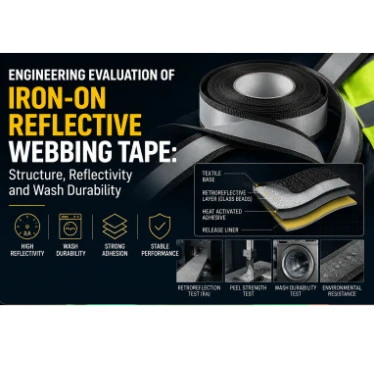
Wash durability: Conformity is declared after specified laundering cycles using ISO 6330 domestic washing/drying procedures; care instructions must be followed to maintain performance. (Material tech sheets may state high wash counts, but the garment's certified claim governs.)
When to Choose Class 2 vs. Class 3
Choose Class 2 for medium risk exposures-yard logistics, internal works roads, warehousing, municipal maintenance-where ambient lighting and vehicle speeds are moderate, yet visibility still matters.
Choose Class 3 for roadside works at higher speeds, night operations, airports/ports, or severe weather. You can also achieve overall Class 3 conspicuity by combining a Class 2 upper with compliant trousers to raise the total visible areas.
Buyer's Compliance Checklist (Copy/Paste for QC & Sourcing)
Area math - After subtracting logos/contrast/pocket flaps, confirm ≥ 0.50 m² fluorescent + ≥ 0.13 m² retroreflective remain. Ask your supplier for a size-graded area table and keep it with the tech pack.
Tape geometry - Use 50 mm reflective tape; keep ≥ 50 mm between bands and from hems; maintain near-horizontal orientation and 360° torso recognition (add sleeve bands where applicable).
Certification pack - Request DoC/certificate referencing EN ISO 20471 and the class for the finished style; verify the on-garment pictogram and class number.
Care & laundering - Verify the declared ISO 6330 wash cycles and methods in the report and reflect them on the care label/training materials.
Small sizes - XS/S sizes are most at risk of area shortfalls; run a pre-production check on extreme sizes.
Two-tone & branding - Model the loss of fluorescent area from logos, contrast panels, and reinforcements before approving patterns. Power and Cables
Practical Design Notes for Pattern & Production
Edge allowances: leave enough margin (≈ 50 mm) above hems/sleeve ends to prevent post-assembly losses of "countable" area and to keep bands clear of edges.
Tape application: heat-applied, stitched, or composite tapes are acceptable-but only count when the band layout meets the width/spacing/orientation rules and provides torso encirclement (and sleeves/legs if present).
Colour choice: fluorescent yellow/orange/red are the accepted day-visibility colours under EN ISO 20471; pick for contrast against your environment and for light-fastness/soil-hiding properties.
Wash resilience: if you need elevated wash durability (e.g., rental laundries), specify reflective systems verified under ISO 6330 at appropriate temperatures/cycles, and lock those parameters into the DoC.
Frequently Asked Questions
1) Can we add a large logo and still keep Class 2?
Yes-but any logo or reinforcement that covers fluorescent fabric reduces net area. Re-tally the pattern to ensure ≥ 0.50 m² fluorescent remains visible on the finished jacket, then keep that evidence with the PP approval.
2) How wide must the reflective tape be, and how should it be placed?
Use 50 mm tape, keep ≥ 50 mm gaps between bands and from edges, and maintain near-horizontal bands for 360° recognition. Add sleeve bands for long-sleeved jackets.
3) How many wash cycles must the jacket maintain?
Follow the ISO 6330 method and cycle count declared in the garment's report; material brochures can guide expectations, but legal conformity follows the certified garment claim.
4) Is Class 2 enough for roadside night work?
Often no-roadside night work or high-speed traffic typically warrants Class 3 (or an upper-lower combination that achieves Class 3). Use your formal risk assessment to decide.
Next Steps: Spec, Sampling & Bulk Ordering
Before you kick off sampling, assemble a tech pack that includes:
a size-graded area table showing net fluorescent/retroreflective areas,
a tape layout sketch (band width, spacing, offsets, and any shoulder/sleeve bands),
the intended ISO 6330 wash method/cycles, and
the EN ISO 20471 Class 2 certificate/DoC reference for the finished style. Iteh Standards
For two-tone and heavy branding projects, build area redundancy into the pattern and verify again on the smallest size before bulk.
Related Reading & Product References (Internal Links)
Hi Vis Two-Tone Waterproof Safety Jacket
Hi Vis Police Jacket for Duty & Traffic Control