Layering high-visibility workwear is a system design issue, not only a winter clothing choice. The outermost garment must maintain EN ISO 20471 or ANSI/ISEA 107 visibility coverage, while base and mid layers control moisture, insulation, fit, and worker comfort during long shifts.
For PPE distributors, project contractors, and HSE teams, the correct layering plan reduces cold stress, sweat accumulation, visibility loss, and unnecessary SKU duplication across seasons.

Why Layering Matters for High-Visibility Workwear
A layered hi-vis system allows workers to adjust insulation and moisture control without covering certified fluorescent fabric or reflective tape. This is especially important for construction, logistics, mining, roadwork, utilities, and outdoor maintenance crews.
Temperature and Weather Control
Outdoor work rarely stays within one temperature range. A crew may start the shift in cold rain, move into a warehouse, return to a windy loading area, and finish under lower light conditions.
A three-layer system helps workers adjust without removing the visible outer garment:
Base layer: moisture management and skin comfort
Mid layer: insulation and warmth retention
Outer layer: visibility, wind protection, rain protection, and certification coverage
Sweat and Moisture Management
Cold-weather discomfort often starts from trapped sweat. Cotton base layers absorb moisture and stay wet, which can chill the worker during low-activity periods.
A technical base layer should:
move moisture away from the skin;
dry faster than cotton;
reduce clammy contact during stop-start work;
remain comfortable under jackets, harnesses, and tool belts.
Visibility and Compliance
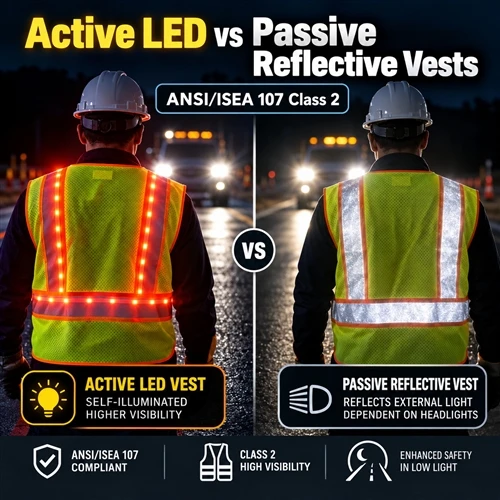
Visibility requirements are normally based on the outermost visible garment. If a worker wears a dark raincoat, non-compliant jacket, or oversized hoodie over a certified hi-vis vest, the certified reflective and fluorescent areas are no longer visible.
For Class 2 or Class 3 garments, buyers should check visible background fabric area, reflective tape width, tape placement, and garment labeling before approving a layering system.
For a standards-based explanation, review EN ISO 20471 Class 2 hi-vis jacket requirements.
PPE Cost and SKU Control
A planned layering system can reduce unnecessary purchasing. Instead of buying one heavy garment for every season, buyers can combine selected base, mid, and outer layers across different climates and job roles.
For example:
|
Season / Site Condition |
Base Layer |
Mid Layer |
Outer Layer |
|
Spring rain |
Moisture-wicking T-shirt |
Optional light sweatshirt |
Hi-vis rain jacket |
|
Cold dry winter |
Thermal base layer |
Hi-vis fleece or quilted liner |
Insulated hi-vis parka |
|
Wet winter |
Synthetic base layer |
Fleece or padded mid layer |
Waterproof hi-vis jacket |
|
FR worksite |
FR base layer |
FR sweatshirt or shirt |
CAT 2 FR coverall or jacket |
For broader product planning, buyers can review our Hi Vis Safety Workwear range.
Understanding the Three Layers: Base, Mid and Outer
Each layer has a different function. Problems occur when buyers expect one garment to solve all weather, comfort, and compliance requirements.
|
Layer |
Main Function |
Common Materials |
Procurement Check |
|
Base layer |
Moisture control and skin comfort |
Polyester knit, technical blends, FR knit |
Wicking, drying speed, comfort, FR need |
|
Mid layer |
Insulation and warmth |
Fleece, softshell, quilted liner, FR sweatshirt |
Warmth-to-weight ratio, bulk, mobility |
|
Outer layer |
Visibility and weather protection |
Oxford PU, polyester shell, softshell, coated fabric |
EN ISO 20471 / ANSI class, reflective tape, waterproofing |
The outer layer must remain visible and correctly fitted after the base and mid layers are worn underneath.
Choosing the Right High-Visibility Base Layer
Base Layer Function
The base layer sits closest to the skin. Its job is not to provide the highest visibility class. Its primary role is to keep the worker dry, comfortable, and able to continue wearing the full PPE system.
A suitable base layer should provide:
moisture-wicking fabric;
quick-dry performance;
soft skin contact;
enough stretch for bending and lifting;
flat seams where harnesses or shoulder straps are used;
long sleeves or extended back length where extra coverage is needed.
Base Layer Material Selection
For active workers, synthetic or technical blends are usually more suitable than standard cotton.
|
Material Option |
Suitable Use |
Risk Point |
|
Polyester knit |
General workwear base layer |
Must control odor and handfeel |
|
Polyester-spandex blend |
Active work and bending |
Check recovery after washing |
|
FR knit |
Utility, welding, electrical work |
Must match site FR requirement |
|
Cotton |
Low-activity indoor use |
Retains sweat and dries slowly |
Hi-vis T-shirts and long-sleeve tops can also be used when workers open or remove jackets during lower-risk indoor work. In that case, reflective strips or small reflective logos provide supplementary visibility, not a replacement for certified outerwear.
For seasonal PPE programs, hi-vis safety T-shirts can be specified as the base layer under jackets, fleece, or rainwear.
Designing a Warm and Flexible Mid Layer
Mid Layer Function
The mid layer provides insulation. It should trap warm air while allowing the outer garment to close properly.
A mid layer should:
add warmth without excessive bulk;
fit under the certified outer layer;
allow arm movement, squatting, and tool handling;
avoid pushing reflective tape out of position;
be easy to add or remove during the shift.
Common Mid-Layer Options
|
Mid Layer Type |
Suitable Site Condition |
Procurement Check |
|
Hi-vis fleece hoodie |
Cool mornings, logistics, warehouse yards |
Fabric gsm, zipper quality, cuff recovery |
|
Softshell jacket |
Windy, dry, mixed indoor-outdoor work |
Wind resistance, stretch, water repellency |
|
Quilted liner |
Cold winter work |
Bulk, compatibility with outer shell |
|
FR sweatshirt |
Utility, electrical, refinery, hot work |
FR rating and full-system compatibility |
A mid layer that is too thick can distort the fit of the outer jacket. Buyers should test full-layer combinations in realistic movements: raising arms, driving, bending, climbing, and wearing tool belts.
For cold-season PPE programs, ANSI hi-vis reflective fleece hoodies can be used as mid layers under waterproof or insulated outer garments.
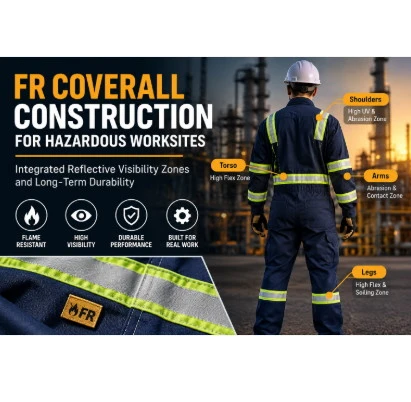
For FR environments, review CAT 2 FR coveralls for electricians when the complete clothing system must address arc flash or flame exposure risks.
Request a Layering System Review for Bulk Workwear Orders
Send your target climate, job role, certification requirement, size range, garment combination, logo method, and order quantity. Our factory team can review base, mid, and outer layer options for construction, roadwork, logistics, mining, utility, and oil & gas PPE programs.
Request High Visibility Workwear Layering Review
Selecting the Outer Layer: Visibility, Weather Protection and Certification
The outer layer is the visible and weather-facing part of the system. It should be treated as the compliance layer unless the project has another tested and certified configuration.
Weather Protection
Outer garments may need to protect against:
rain and wet snow;
wind chill;
cold weather;
low-light traffic exposure;
mud, oil, and worksite dirt;
repeated washing or industrial cleaning.
Typical outer layer options include:
|
Outer Layer |
Suitable Use |
Key Specification |
|
Hi-vis rain jacket |
Wet weather, roadwork, logistics |
Waterproof coating, taped seams, storm flap |
|
Hi-vis softshell jacket |
Windy and cool sites |
Stretch, wind resistance, light water repellency |
|
Insulated hi-vis parka |
Cold outdoor work |
Padding, hood, reflective layout, size allowance |
|
FR hi-vis coverall |
Electrical, utility, refinery, welding |
CAT rating, FR fabric, FR thread, reflective trim |
|
Mining winter workwear |
Low-light and cold job sites |
Insulation, waterproof shell, 360° visibility |
For wet-weather programs, review hi-vis waterproof safety jackets with taped seams, 50 mm reflective tape, and OEM logo options.
For cold mining or outdoor industrial projects, winter high-visibility coal mine workwear can be specified with waterproof shell fabric, insulation, and Class 3 visibility layouts.
Visibility and Certification
The outer layer should be checked against the required standard and risk level.
Buyers should confirm:
EN ISO 20471 Class 2 or Class 3 requirement;
ANSI/ISEA 107 Type R or Type P requirement where applicable;
reflective tape width, commonly 50 mm;
reflective tape placement around torso, shoulders, arms, or legs;
fluorescent background fabric area;
label information and wash-cycle claim;
whether the garment remains compliant after layering.
A non-hi-vis shell worn over a certified garment can remove the visibility benefit. The outermost layer must remain visible in the work environment.
Layering Systems for Different Work Environments
Mild Wet Weather: Spring and Autumn Rain
A practical system for spring or autumn rain may include:
moisture-wicking hi-vis T-shirt or long-sleeve shirt;
optional light sweatshirt;
hi-vis rain jacket with taped seams;
breathable membrane or coated shell where heat buildup is a concern.
This combination suits logistics yards, road maintenance, outdoor warehousing, and municipal work where workers move between indoor and outdoor zones.
Cold Dry Winter: Construction and Mining Sites
A cold-weather system may include:
warm synthetic or FR base layer;
hi-vis fleece or quilted mid layer;
insulated hi-vis parka or mining workwear set;
size allowance for full layering without restricted movement.
Buyers should test sleeve length, chest circumference, shoulder mobility, and zipper closure with all layers worn together.
FR and Arc-Flash Worksites
FR layering must be treated as a system. A non-FR hoodie worn under an FR outer garment can create protection gaps.
For utility, refinery, electrical, and welding-related environments, buyers should confirm:
FR-rated base layer where required;
FR mid layer or sweatshirt;
CAT 2 or project-specified outer garment;
FR sewing thread and trims;
compatible reflective tape or trim;
garment labels and test documentation.
Common Layering Mistakes and How to Avoid Them
Mistake 1: Wearing a Dark Jacket Over Certified Hi-Vis Clothing
A certified vest or jacket loses its function if it is covered by a dark shell.
Correction: specify a hi-vis rain jacket or hi-vis winter jacket as the outermost garment.
Mistake 2: Using a Bulky Mid Layer That Distorts the Outer Jacket
Oversized fleece or padded mid layers can pull the outer garment out of position and reduce mobility.
Correction: test the complete layer set before bulk approval.
Mistake 3: Using Cotton as the Main Active Base Layer
Cotton absorbs sweat and dries slowly. Workers can become chilled during breaks.
Correction: specify polyester, technical blends, or FR knit base layers according to site risk.
Mistake 4: Mixing FR and Non-FR Layers
FR protection can be weakened if non-FR garments are worn underneath or over the certified garment.
Correction: define FR requirements for every layer used on the site.
Mistake 5: Ordering Outer Layers Without Layering Size Allowance
Summer jacket sizing may not allow enough room for fleece or thermal mid layers.
Correction: adjust size curves and request fit testing with the intended base and mid layers.
Buyer Checklist for High-Visibility Layering Programs
Before confirming a bulk PPE order, procurement teams should check:
|
Checklist Item |
Required Confirmation |
|
Job role |
Roadwork, mining, logistics, utilities, construction, oil & gas |
|
Climate |
Rain, wind, cold, snow, mixed indoor-outdoor work |
|
Base layer |
Wicking, drying speed, FR need |
|
Mid layer |
Insulation, bulk, mobility |
|
Outer layer |
EN ISO 20471 / ANSI class, waterproofing, reflective layout |
|
Fit |
Full-layer movement test |
|
FR requirement |
All layers compatible with hazard assessment |
|
Size range |
Room for base and mid layers |
|
Logo |
Chest, back, sleeve, or private label |
|
Packaging |
Individual polybag, carton, size label, project packing |
|
Documentation |
Standard, label, material, and wash information |
Complete high-vis programs can be reviewed through our Hi Vis Safety Workwear range.
How a Factory Supplier Supports Base, Mid and Outer Layer Programs
A single-source factory can help reduce mismatched sizing, inconsistent colors, incompatible reflective layouts, and duplicated SKUs across seasons.
For OEM and bulk PPE orders, Xiamen Topmatched can support:
coordinated base, mid, and outer layer packages;
custom fluorescent yellow, orange, navy, black-bottom, or project colors;
reflective tape layout adjustment;
OEM logo printing, heat transfer, embroidery, and labels;
size range planning from S to 5XL or project-specific sizing;
matching rainwear, safety jackets, FR garments, sweatshirts, and accessories;
packing by size, color, worksite, or project shipment plan.
Ready to Specify a High-Visibility Layering System?
A high-visibility layering system should keep workers warm, dry, visible, and able to move during the full shift. The base layer controls moisture, the mid layer controls insulation, and the outer layer carries the main visibility and weather-protection function.
Before the next procurement cycle, review current workwear against climate, job role, certification class, FR requirements, size allowance, and worker feedback. A structured base–mid–outer system is easier to manage than buying separate garments without compatibility testing.
For coordinated PPE sourcing, review our Hi Vis Safety Workwear range or send your project requirements through our RFQ form.