
Reflective heat press logos, holographic transfers, metallic vinyl logos, 3D silicone labels and DTF transfers use different film structures, adhesive layers and curing behavior. For OEM apparel, bags and workwear programs, the logo type should be selected by substrate, wash requirement, stretch, edge bonding, surface abrasion and bulk production repeatability, not only by visual effect.
Buyers comparing logo finishes for garment and bag branding can review our custom heat press logo transfers before confirming artwork file, logo size, transfer temperature, fabric base and packing method.
Material Architecture, Surface Finish and Substrate Compatibility Matrix for Reflective, Holographic, Metallic, 3D Silicone and DTF Logos
Reflective Heat Press Logo: Retroreflective Film for Low-Light Branding
A reflective heat press logo uses a retroreflective film layer bonded to a textile surface through heat, pressure and adhesive activation. The finished logo reflects direct light from vehicle headlights, camera flash or portable lamps, making it suitable for running apparel, cycling wear, bags, safety accessories and selected workwear branding.
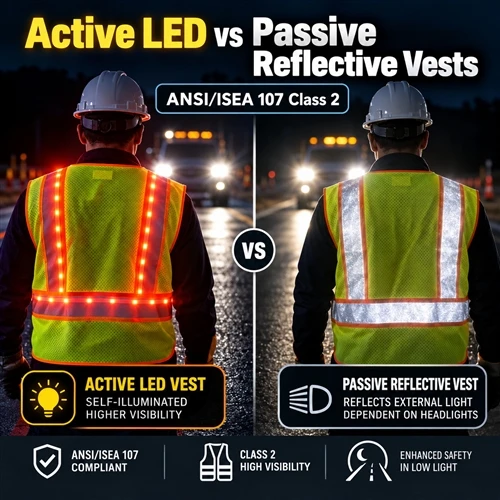
For PPE-related garments, reflective logos should be treated as branding or supplementary visibility elements. They should not replace EN ISO 20471 or ANSI/ISEA 107 reflective tape areas unless the finished garment has been tested and certified as a complete design.
Typical structure:
reflective face film;
color or effect layer, such as silver, rainbow or honeycomb;
adhesive layer;
carrier film for positioning;
release or backing layer before application.
Reflective logos are useful when the buyer wants branding that remains visible under direct light, but the logo must be placed outside certified reflective tape layouts and high-stretch cracking zones.
Holographic, Metallic, 3D Silicone and DTF Transfer Structures
Holographic transfer film creates a color-shift effect through a surface optical layer. Metallic transfer film produces a metal-like appearance using a reflective surface finish. 3D silicone logos use molded or printed silicone material with raised thickness and elastic handfeel. DTF transfer uses printed ink and adhesive powder to create multicolor graphics for textile application.
|
Logo Type |
Main Structure |
Surface Effect |
Strong Application Fit |
Primary Risk Point |
|
Reflective heat press logo |
Retroreflective film + adhesive |
Bright reflection under direct light |
Safety apparel, sportswear, bags |
Reflective decay, edge lifting |
|
Holographic transfer |
Optical film + adhesive |
Color-shift under light angle |
Fashion apparel, events, retail bags |
Surface scratching, crease marks |
|
Metallic transfer |
Metallic finish film + adhesive |
Gold, silver or metal-like surface |
Premium labels, caps, bags |
Cracking in fold zones |
|
3D silicone logo |
Silicone layer + bonding base |
Raised thickness and soft handfeel |
Sportswear, bags, shoes |
Thickness tolerance, edge separation |
|
DTF transfer |
Printed ink + adhesive powder |
Multicolor graphic print |
Small-batch logos, gradients, complex artwork |
Handfeel, wash durability, powder edge |
For broader heat-transfer sourcing, buyers can compare the heat transfer film product range by film type, press temperature, wash requirement, cutting method and roll format.
Substrate Compatibility by Fabric and Product Category
A logo that works on cotton T-shirts may fail on coated nylon, PVC bag panels or elastic sportswear. Substrate testing should be completed before bulk logo production.
|
Substrate |
Reflective Logo |
Holographic / Metallic |
3D Silicone |
DTF Transfer |
Buyer Check |
|
Cotton jersey |
Good |
Good |
Good |
Good |
Shrinkage after washing |
|
Polyester knit |
Good |
Good |
Good |
Good |
Dye migration and heat marks |
|
Stretch sportswear |
Medium to good |
Medium |
Good |
Medium |
Recovery after stretching |
|
Softshell fabric |
Good |
Medium |
Good |
Medium |
Surface texture and bonding |
|
Nylon fabric |
Requires testing |
Requires testing |
Medium |
Requires testing |
Heat sensitivity |
|
PU-coated fabric |
Requires testing |
Requires testing |
Medium |
Low to medium |
Coating damage |
|
TPU panel |
Requires testing |
Requires testing |
Medium |
Low to medium |
Heat deformation |
|
PVC bag fabric |
Requires testing |
Requires testing |
Medium |
Low |
Adhesion and surface melting |
|
Shoe upper |
Medium |
Medium |
Good |
Medium |
Flexing and abrasion |
For performance knits, bags and low-light branding programs, rainbow and honeycomb reflective heat transfer logos can be reviewed where visual effect and low-bulk application are both required.
Material Selection by Buyer Requirement
|
Buyer Requirement |
Recommended Logo Direction |
Reason |
|
Night visibility branding |
Reflective heat press logo |
Returns light under direct illumination |
|
Fashion color-shift effect |
Holographic transfer |
Strong angle-dependent appearance |
|
Premium metallic branding |
Metallic transfer |
Gold, silver or metal-look surface |
|
Raised tactile logo |
3D silicone logo |
Thick, soft and dimensional surface |
|
Multicolor complex artwork |
DTF transfer |
Supports gradients and detailed prints |
|
Repeated teamwear production |
Reflective PU or PU transfer vinyl |
Stable cutting and repeat layout |
|
Bag and shoe branding |
3D silicone or selected transfer film |
Better physical presence |
|
Small-batch campaign graphics |
DTF transfer |
Flexible artwork and lower tooling pressure |
When the program requires repeated logo cutting for shirts, uniforms, teamwear or workwear, reflective PU heat transfer vinyl roll can be used as a base material for controlled OEM production.
Transfer Parameter Validation, Wash Durability, Flexing and Edge-Bonding Test Requirements
Transfer Temperature, Pressure and Peel Method
Heat press logo performance depends on transfer temperature, pressure, dwell time, carrier film, adhesive layer and substrate. A common reference setting for heat press logos is around 145°C / 293°F for 15–20 seconds, followed by cooling before carrier film removal. The final setting should be validated on the actual fabric or product panel.
|
Process Variable |
Required Control |
Production Risk |
|
Temperature |
Confirmed on press plate, not only machine display |
Under-bonding or scorch marks |
|
Press time |
Measured dwell time, commonly 15–20s for selected logos |
Weak adhesion or surface damage |
|
Pressure |
Even pressure across full logo area |
Partial lifting or texture marks |
|
Peel method |
Cool peel, warm peel or hot peel by material |
Film tearing or adhesive residue |
|
Substrate |
Actual fabric, coating or panel |
Bulk failure after shipment |
|
Second press |
Required for selected materials |
Poor surface flattening or weak edge |
For large logos, the heat distribution should be checked across the entire area. A 30 cm back logo may require different control than a 5 cm chest logo because pressure and heat transfer are less uniform across the plate.
Wash Durability and Care-Label Validation
Wash durability should be tested on the final garment or bag panel, not only on a loose logo sample. Important failure modes include edge lifting, surface cracking, color change, reflective loss, silicone separation and adhesive residue.
|
Test Item |
Reflective Logo |
Holographic / Metallic |
3D Silicone |
DTF Transfer |
|
Domestic washing |
Reflective layer and edge bonding |
Surface film cracking |
Silicone adhesion |
Ink and glue layer stability |
|
Rubbing |
Surface reflectivity |
Scratch resistance |
Raised edge wear |
Ink abrasion |
|
Tumble drying |
Adhesive stability |
Heat deformation |
Edge lift |
Print cracking |
|
Stretch recovery |
Film fracture |
Crease marks |
Silicone elasticity |
Ink split |
|
Low-temperature flexing |
Film brittleness |
Surface fracture |
Silicone recovery |
Print layer cracking |
|
Heat exposure |
Adhesive softening |
Surface distortion |
Silicone deformation |
Glue activation marks |
For washable workwear, sportswear and uniforms, buyers should define the expected wash cycle count, temperature, drying method and detergent exposure before approving the logo finish.
Flexing, Abrasion and Edge-Bonding Inspection
The location of the logo affects durability. Chest logos experience less mechanical stress than sleeve cuffs, bag corners, shoe uppers or stretch waist areas.
High-risk positions include:
sleeve elbow area with repeated bending;
shoulder strap contact zones;
bag panels near zipper or corner load points;
shoe vamp and heel counter areas;
stretch sportswear panels;
workwear zones near tools, harnesses or belts.
Edge-bonding inspection should check:
lifting at corners;
curling after washing;
cracks along thin letters;
adhesive residue around artwork;
surface film separation;
distortion near small text;
inconsistent bonding on textured fabric.
For multicolor garment graphics where a printable transfer workflow is required, buyers can compare eco solvent printable heat transfer vinyl with DTF transfer by handfeel, edge clarity, color output and wash durability.
Comparative QC Matrix for Bulk Logo Approval
|
QC Item |
Measurement / Check |
Approval Evidence |
|
Artwork accuracy |
Compare vector file with cut or print result |
Signed artwork proof |
|
Logo size |
Width, height and tolerance |
Pre-production sample |
|
Color |
Pantone reference or physical swatch |
Approved physical sample |
|
Surface effect |
Reflective, holo, metallic, silicone or DTF finish |
Normal-light and flash-light check |
|
Transfer setting |
Temperature, time, pressure and peel method |
Factory application record |
|
Edge bonding |
Post-transfer and post-wash inspection |
Photo and sample record |
|
Wash test |
Agreed cycle count and care method |
Wash-test sample |
|
Flex test |
Bend or stretch after application |
Flexed specimen |
|
Abrasion check |
Rubbing or contact-area evaluation |
Post-rub surface review |
|
Packing |
Sheet, piece, roll, separator or insert card |
Packing approval |
Not sure which heat press logo finish will hold better on your fabric? Send the artwork, fabric type, logo size, wash requirement, and order quantity. We will review the transfer method, sample route, and bulk production cost before quoting.
OEM Specification Control, Artwork File Preparation and Bulk Production Risk Management for Heat Transfer Logo Programs
Artwork File Control and Cutting Accuracy
Vector artwork is preferred for heat press logo production because it preserves edges, curves, holes and small characters during cutting or printing. AI, PDF, EPS and CDR files usually provide better production control than low-resolution JPG or PNG files.
|
Artwork Requirement |
Production Reason |
|
Vector file |
Keeps edges clean during cutting |
|
Actual logo size |
Prevents scale deviation |
|
Minimum line thickness |
Reduces breakage during peeling |
|
Minimum text height |
Keeps small letters readable |
|
Pantone or physical color reference |
Controls color deviation |
|
Placement drawing |
Reduces position errors |
|
Substrate sample |
Confirms heat and bonding response |
|
Finish selection |
Reflective, holo, metallic, silicone or DTF |
Small letters, thin strokes, sharp internal corners and disconnected details increase production risk. For 3D silicone logos, the mold or print thickness must also be confirmed because raised edges can affect packing and application.
OEM Specification Sheet
A production-ready heat press logo specification should include:
|
Specification Item |
Required Detail |
|
Logo type |
Reflective, holographic, metallic, 3D silicone, DTF |
|
Artwork file |
AI, PDF, EPS, CDR or approved print file |
|
Logo size |
Width, height and tolerance |
|
Material finish |
Silver reflective, rainbow, gold, black, silicone, DTF |
|
Application substrate |
Cotton, polyester, nylon, PU, TPU, PVC or shoe upper |
|
Transfer parameter |
Temperature, time, pressure and peel method |
|
Placement |
Chest, back, sleeve, bag panel, shoe upper, inner label |
|
Wash requirement |
Domestic wash, industrial wash or wipe-clean only |
|
Packing format |
Sheet, individual piece, roll, paper insert, polybag |
|
Traceability |
Batch number, material lot and production date |
This document should be approved before mass production. Verbal descriptions such as "same as sample" are not enough for repeat orders if material finish, film grade or release carrier may change.
Cost Drivers in Heat Press Logo Production
Heat press logo cost is affected by more than logo size.
Main cost drivers include:
material type and finish;
reflective or non-reflective structure;
number of colors;
cutting complexity;
small text and internal holes;
3D silicone thickness;
DTF ink coverage;
sheet or piece packing;
separator film requirement;
retail insert card or barcode label;
sample testing and wash validation.
A reflective logo and a metallic logo with the same dimensions may have different unit costs because film structure, cutting waste, application risk and defect rate are different.
Packaging and Handling Control
Packing should prevent sticking, bending, pressure marks and transfer-film contamination.
|
Packing Method |
Suitable Logo Type |
Control Point |
|
Sheet format |
Multiple small logos |
Spacing and cutting alignment |
|
Individual piece |
Retail or factory-line use |
Easy counting and handling |
|
Roll format |
Repeated same-size logos |
Tension and anti-blocking |
|
Paper insert |
Piece-packed logos |
Prevents surface contact |
|
Polybag packing |
Sample or batch distribution |
Moisture and dust control |
|
Barcode label |
Retail or warehouse programs |
SKU and batch traceability |
3D silicone logos may require additional spacing or separator layers because the raised surface can create pressure marks during stacking. Metallic and holographic surfaces should be protected from rubbing during transport.
Supplier Change Control
Any change in film grade, adhesive layer, reflective surface, silicone thickness, DTF ink system, powder glue, release carrier, press temperature or production equipment should trigger renewed sample approval.
Bulk risk controls should include:
signed golden sample;
approved material swatch;
final artwork proof;
substrate transfer test;
wash or rubbing test when required;
packing approval;
batch traceability record.
The buyer should also confirm whether logo application is completed by the supplier or by the garment factory. If the garment factory applies the logos, the supplier should provide transfer parameters and a small test batch for production-line validation.
Procurement Decision Criteria for Heat Press Logo Programs
Reflective heat press logos are suitable when low-light brand visibility is required. Holographic and metallic transfers are selected for surface effect and retail appearance. 3D silicone logos provide raised tactile branding for bags, shoes and premium sportswear. DTF transfers are practical for multicolor graphics, gradients and small-batch designs.
For OEM sourcing, the correct decision sequence is:
define the product category and substrate;
confirm logo position and size;
select surface finish and material type;
prepare vector artwork or approved print file;
run a heat-transfer trial on the final substrate;
check edge bonding, wash resistance and flexing;
approve a signed golden sample;
define packing and batch traceability;
release bulk production.
A logo finish should not be selected from screen appearance alone. Bulk approval should be based on physical material, heat press behavior, post-wash inspection, and compatibility with the final garment, bag, shoe or workwear panel.
For production review, buyers can send your heat press logo specification for review with artwork file, logo finish, application fabric, target order quantity and packing requirement.
FAQ
Can reflective heat press logos be used on certified high-visibility workwear?
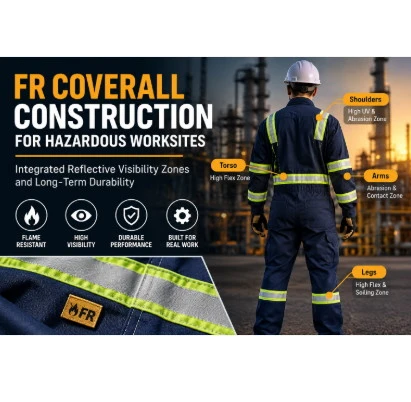
Yes, but logo placement must not cover certified reflective tape, fluorescent background fabric, size labels or compliance markings. For EN ISO 20471 or ANSI/ISEA 107 garments, confirm the logo position on a pre-production sample before bulk approval.
What artwork file is most suitable for OEM heat press logo production?
AI, EPS, PDF or CDR vector files are preferred. Vector files keep small letters, curves, holes and sharp edges cleaner during cutting or printing. JPG or PNG files can be reviewed, but they may require redrawing before production.
How should buyers compare DTF transfers with reflective heat press logos?
DTF is better for multicolor graphics and gradients. Reflective heat press logos are better for low-light visual response. Compare both on the final fabric using the same wash, rubbing, flexing and handfeel checks before selecting the bulk production method.