
20000mm vs 10000mm Waterproof: Buyer Guide (What It Really Means)
If you're sourcing waterproof workwear or rain gear in bulk, the "mm" rating is only the starting point.
This guide explains 10,000mm vs 20,000mm in procurement terms, shows where each rating makes sense,
and gives you a copy/paste RFQ checklist to compare suppliers fairly.
Quick links:
Safety Rain Gear |
Hi-Vis Waterproof Jackets |
20K-Class Waterproof Work Jacket
1) Waterproof Rating Basics: What "mm" (Hydrostatic Head) Actually Measures
The waterproof rating in millimeters (mm) typically refers to hydrostatic head (HH)-a lab test that measures
how much water pressure a fabric can resist before it leaks. In simple terms:
higher mm = higher resistance to water pressure.
But real-world performance depends on more than the fabric test number. In bulk purchasing, waterproof failures usually come from
seams, zippers, pocket construction, wear abrasion, flexing, and how the garment handles repeated washing.
That's why two jackets with the same "10,000mm" label can perform very differently on-site.
Lab rating vs real wear
- Pressure points: shoulders under backpack straps, elbows/knees when bending, and seat area when sitting can push water through weak zones.
- Abrasion: rubbing against tools, harnesses, and rough surfaces can reduce waterproof performance over time.
- Wash & chemical exposure: laundering, detergents, and oils can degrade coatings or face finishes faster than buyers expect.
Construction matters as much as the fabric
A waterproof rating without details on seam sealing, zipper spec, and pattern design is incomplete.
If you want reliable outcomes (and fewer claims), insist on a complete spec package-not just a number.
2) 10000mm Waterproof: When It's Enough (and When It's Not)
A 10,000mm waterproof rating is widely used for workwear and general rain protection where exposure is moderate
and the user is not under constant pressure points. For many procurement scenarios, it can be a strong value choice-if the garment is built correctly.
Best-fit scenarios for 10K (common B2B use-cases)
- Short-to-medium rain exposure: deliveries, site supervision, commuting between buildings, light outdoor tasks.
- Teams needing cost control: distribution programs, mixed weather regions, seasonal purchasing.
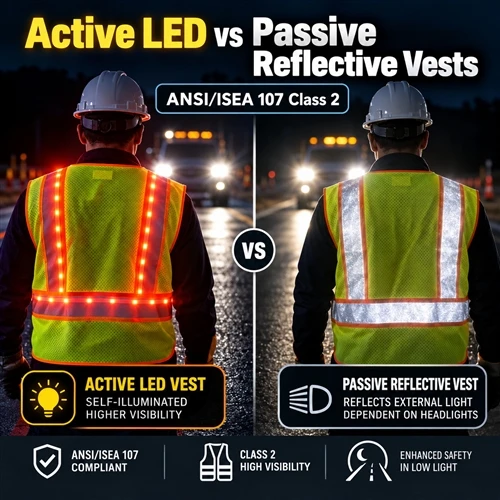
- Hi-vis compliance with rain protection: when visibility + basic waterproofing is the priority.
Explore 10K-class options:
Hi-Vis Two-Tone Waterproof Safety Jacket |
Hi-Vis Rain Jacket |
Waterproof Safety Jacket
Typical 10K builds you'll see in the market
- PU-coated woven shell (common in industrial rain jackets)
- 2-layer / 2.5-layer constructions designed for a balance of cost and performance
- Storm flap zipper systems where the zipper itself is not fully waterproof
Procurement pros & risks
- Pros: strong value, scalable production, lighter weight, flexible MOQ planning.
- Risks: water ingress at pockets and zippers, seam leakage if tape coverage is limited, faster performance drop after heavy abrasion or frequent washing.
3) 20000mm Waterproof: Where It Adds Real Value
A 20,000mm waterproof rating is typically chosen for long-duration rain, harsher weather, and
environments with higher pressure points (straps, kneeling, frequent bending) where leakage risk and downtime cost are higher.
Best-fit scenarios for 20K
- Heavy rain for extended periods: outdoor infrastructure work, traffic duty, rail/road maintenance, port operations.
- High-wear roles: technicians carrying gear, crews in repeated motion, frequent kneeling/bending tasks.
- Buyer preference for premium specs: brand/OEM programs, higher warranty expectations, reduced complaint tolerance.
See a 20K-class reference product:
Waterproof Work Jacket (20K-class option)
Why 20K often costs more (beyond "better fabric")
- More demanding seam sealing: higher expectation for full seam taping and consistent tape adhesion.
- Stronger zipper/pocket engineering: upgraded components and more complex construction.
- Quality control: more inspection focus on seam leakage and pressure-zone design.
4) 20000mm vs 10000mm: Buyer Decision Matrix
Use this matrix to align rating choice with real working conditions. The goal is to reduce returns and reorders caused by under-spec garments.
| Work Condition | 10,000mm (Typical Fit) | 20,000mm (Typical Fit) | What to Specify to Avoid Failures |
|---|---|---|---|
| Light/occasional rain, short exposure | Often sufficient | Usually unnecessary | Critical seam taping, storm flap, pocket drainage design |
| Moderate rain, frequent movement | Works if breathable + well-built | Good upgrade if complaints occur | Breathability metric (RET/MVP), full seam tape, reinforced pressure zones |
| Heavy rain, long duration | Higher leakage risk | Recommended | Full seam sealing, waterproof zipper or double-storm flap, tested pocket construction |
| Backpack straps / harness pressure | May seep over time | Recommended | Shoulder reinforcement + seam placement strategy + durable face fabric |
| Frequent washing / industrial laundering | Performance may drop faster | Often more stable when engineered well | "After-wash" performance requirement + care label + coating/membrane durability notes |
5) Don't Buy on Waterproof Rating Alone: 6 Specs That Change Performance
If you want predictable performance, treat the waterproof rating as one line item in a broader spec set. These six factors usually decide whether buyers
get "stays dry all shift" performance-or a claims problem.
1) Breathability (RET / MVP): comfort drives compliance
Even a high waterproof rating can feel miserable if moisture can't escape. For active jobs, specify a breathability metric
(RET or MVP) and align it to workload intensity.
2) Face fabric + DWR (wet-out is the real enemy)
When the outer face fabric "wets out," breathability collapses and users feel clammy-even if the membrane still blocks water.
A good face finish and durable surface treatment matter.
3) Seam sealing coverage & tape quality
Most leaks happen at seams. Define whether the garment is fully taped or critical seams taped and specify tape width, adhesion expectations, and inspection criteria.
4) Zippers: waterproof zipper vs storm flap
Waterproof zippers can reduce leakage risk but cost more. Storm flaps can work well when designed correctly.
Decide based on exposure and complaint tolerance.
5) Pocket and hood engineering
Water often enters through pocket openings, poorly protected zipper garages, and hood seams near the face opening.
Require detailed photos and construction notes in sampling.
6) Abrasion resistance & pressure-zone reinforcement
Ratings can look great on day one but drop after friction. If your users carry tools or kneel often, reinforce shoulders, elbows, and high-wear panels.
Related product references you can share internally:
300D Oxford Hi-Vis Hooded Safety Jacket |
PVC Coating Waterproof Jacket |
Waterproof Raincoat
6) 10000mm vs 20000mm: Quick Comparison Table
| Item | 10,000mm Waterproof (Typical) | 20,000mm Waterproof (Typical) |
|---|---|---|
| Best for | General rain protection, mixed weather fleets, value-focused procurement | Heavy rain duration, high pressure points, premium spec programs |
| Leak risk drivers | Seams, pockets, zippers, wash durability | Seam tape QC, zipper system choice, face fabric durability |
| Comfort risks | Can be comfortable if breathable spec is defined | Must specify breathability to prevent "sweaty" complaints |
| Procurement advice | Specify seam tape coverage + zipper/pocket details | Specify full spec package + testing expectations + after-wash requirement |
7) Copy/Paste RFQ Checklist (Bulk Buyers)
Use this checklist to request consistent quotes and avoid "spec gaps" that cause performance disputes later.
Copy and paste directly into your RFQ email or sourcing portal.
RFQ: Waterproof Workwear / Rain Jacket (Bulk Order)
1) Waterproof rating (Hydrostatic Head, HH):
- Target: 10,000mm / 20,000mm (choose one)
- Specify if required after wash cycles: YES / NO (if YES, state cycles)
2) Breathability (choose metric):
- MVP (g/m²/24h): ________
- OR RET: ________
3) Fabric & construction:
- 2L / 2.5L / 3L (choose)
- Face fabric: ________ (denier / weave)
- Coating / membrane: ________ (type if available)
4) Seam sealing:
- Fully taped seams / Critical seams taped (choose)
- Tape width: ________
- Seam leakage inspection: YES / NO
5) Zipper system:
- Waterproof zipper / Water-resistant + storm flap (choose)
- Zipper garage / chin guard: YES / NO
6) Pocket construction:
- Pocket type: zipper / flap / both
- Pocket leakage prevention details required: YES / NO
7) Hood / collar design:
- Fixed / detachable (choose)
- Adjustments: hem / cuff / hood (list)
8) Standards (if needed):
- EN ISO 20471 class: ________
- ANSI/ISEA 107 type/class: ________
- EN 343 (if applicable): ________
9) Branding:
- Logo method: heat transfer / embroidery / screen print
- Placement: chest / sleeve / back
- Colorways: ________
10) Order terms:
- Quantity: ________
- Size range: ________
- Sampling lead time: ________
- Production lead time: ________
- Packaging: 1pc/polybag + carton details
- Incoterms: FOB / CIF / DDP (choose)
Need reference categories while building your RFQ?
Safety Rain Gear and
Hi-Vis Waterproof Safety Jackets
are useful starting points for comparing constructions and accessories.
8) Common Buyer Mistakes (That Trigger Claims and Returns)
- Buying by "mm" only: ignoring seam tape coverage and pocket/zipper design is the fastest path to leakage complaints.
- Not specifying breathability: users feel sweaty, remove the jacket, and compliance drops-especially in active jobs.
- No after-wash requirement: performance may degrade with washing; define expectations upfront.
- Skipping pressure-zone reinforcement: shoulder and elbow failures appear first in real workwear usage.
- Comparing quotes with spec gaps: suppliers may quote different seam sealing and zipper systems under the same "10K" label.
9) Recommended Spec Packages (3 Ready-to-Buy Options)
Package A: Cost-Effective 10K for General Work Rain
- Target: 10,000mm class waterproof
- Seams: critical seams taped (or fully taped if complaint risk is high)
- Zipper: storm flap system
- Best for: mixed fleets, seasonal purchasing, general rain exposure
Reference: Hi-Vis Rain Jacket
Package B: Balanced 10K + Higher Comfort for Active Jobs
- Target: 10,000mm class + defined breathability (RET/MVP)
- Seams: fully taped preferred
- Design: improved ventilation strategy, better hood/collar sealing
- Best for: active crews, long shifts, higher comfort expectations
Reference: 300D Oxford Hi-Vis Hooded Safety Jacket
Package C: Heavy-Duty 20K for Harsh Weather + Pressure Points
- Target: 20,000mm class waterproof + defined breathability
- Seams: fully taped + strict QC
- Components: upgraded zipper/pocket systems, reinforcement at shoulders/elbows
- Best for: heavy rain duration, gear carrying, premium programs
Reference: Waterproof Work Jacket
10) FAQ: 20000mm vs 10000mm Waterproof
Is 10,000mm waterproof enough for heavy rain?
It can be, depending on exposure time and construction. For long-duration heavy rain and high pressure points, 20K-class specs reduce risk-especially if seams and zippers are engineered well.
Is 20,000mm always better than 10,000mm?
Not automatically. If breathability and construction aren't specified, a "higher mm" jacket can still feel uncomfortable or leak at seams and pockets. Buy the full spec package, not the headline number.
What matters more: waterproof rating or breathability?
For active work, breathability often determines whether workers keep the garment on. A balanced waterproof + breathability spec typically outperforms a high waterproof rating with poor moisture management.
Does the waterproof rating drop after washing?
It can. Performance may change with laundering, abrasion, detergents, and wear. If wash durability matters, include an "after-wash" requirement in your RFQ and align care instructions with the supplier's material system.
2-layer vs 3-layer: which lasts longer for workwear?
3-layer constructions often provide better long-term durability and stability, but they cost more. For price-sensitive programs, 2L/2.5L can still work when seam sealing and component selection are done correctly.
Do I need waterproof zippers?
Not always. A well-designed storm flap can be effective. Waterproof zippers are commonly chosen for higher exposure, premium programs, or when buyers want fewer leakage variables in the design.
Where do most waterproof complaints come from?
Seams, pockets, and zippers-plus wet-out of the face fabric. That's why your RFQ should define seam tape coverage and pocket/zipper construction details.
How can I compare supplier quotes fairly?
Use a standardized RFQ checklist (like the one above). If suppliers quote different seam sealing coverage or zipper systems, the final performance-and cost-will not be comparable even if both say "10,000mm".
What's a safe starting point for sourcing rain gear?
Start from a clear category and narrow by scenario:
Safety Rain Gear or
Hi-Vis Waterproof Safety Jackets.
11) Final Takeaway (Procurement Summary)
For most bulk programs, 10,000mm can be the right value choice when seam sealing, pockets, and zippers are specified properly.
Choose 20,000mm when work conditions include heavy rain duration, high pressure points, premium expectations, or higher complaint risk.
Either way, the winning strategy is the same: define a complete spec package and compare suppliers using a consistent RFQ template.
If you want a fast recommendation, share your work scenario, target waterproof rating (10K or 20K),
breathability requirement, order quantity, and delivery timeline.
We can propose a spec package and matching product direction (shell / rain jacket / hi-vis waterproof) based on your use-case.
Next steps:
Review a 20K-class shell option |
Review a 10K-class rain jacket option