In modern traffic and workplace safety, visibility is not just important - it can be the difference between preventing an accident and responding to one. Among the many technologies designed to improve visibility, retroreflective sheeting plays a critical role in keeping roads, worksites, and public areas safe, especially under low-light conditions.

What Is Retroreflective Sheeting?
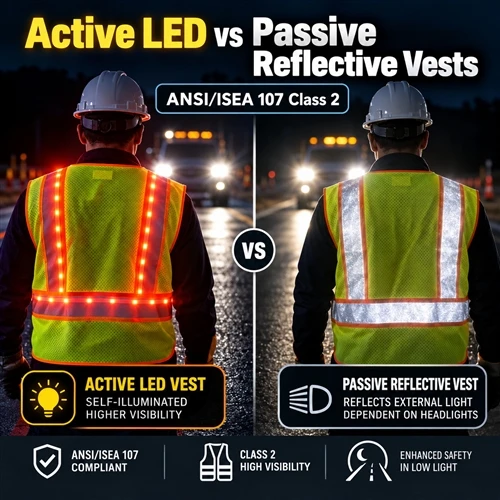
Retroreflective sheeting is a specialized material that reflects light back toward its source, rather than scattering it in different directions. This property ensures that light from vehicle headlights, street lamps, or flashlights is returned directly to the observer, making objects appear brighter and easier to see at night.
While it may look like ordinary reflective film to the naked eye, the performance of retroreflective sheeting is the result of precise optical engineering.
How It Works: Microprisms & Glass Beads
There are two main technologies behind retroreflective sheeting:
Microprismatic Technology – The sheeting contains thousands of tiny prism-shaped cells that capture and redirect incoming light back toward its source. This design offers higher brightness and durability, making it ideal for traffic signs and high-performance safety applications.
Glass Bead Technology – Millions of microscopic glass beads are embedded in or coated onto the surface of the sheeting. These beads bend and reflect light back to the driver, providing reliable visibility even at wide observation angles.
Both types have their strengths. Microprismatic sheeting generally offers greater intensity and longevity, while glass bead sheeting is more flexible and often used for applications requiring conformability.
Key Applications in Safety
Retroreflective sheeting is widely used in industries and environments where visibility is critical:
- Traffic Signs – Stop signs, speed limits, and directional signs rely on retroreflective sheeting to remain visible at night or during poor weather.
- Guardrails & Safety Barriers – Reflective strips alert drivers to roadside hazards and construction zones.
- Vehicle Markings – Emergency vehicles, delivery trucks, and trailers use retroreflective tape to meet safety regulations and reduce collision risks.
- Worksite Safety – Equipment, helmets, and temporary signage can be enhanced with reflective film for worker visibility.
Choosing High-Quality Retroreflective Sheeting
Not all reflective films are created equal. When selecting retroreflective sheeting, consider:
- Brightness & Performance Class – Higher grades (e.g., ASTM Type XI or EN 12899 Class RA3) deliver superior visibility.
- Durability – Resistance to UV light, moisture, and abrasion ensures longer service life.
- Adhesion Quality – Strong adhesive backing for reliable bonding to metal, plastic, or painted surfaces.
- Compliance with Standards – Look for certifications from ASTM, EN, or ISO that match your safety requirements.
For more information, visit our Reflective Sheeting Product Page or learn more in our guide: How Retroreflector Technology Works.