
Reflective Road Signs: Design, Materials & Regulations
Road safety depends heavily on visibility, and reflective road signs play a critical role in guiding drivers under all lighting and weather conditions. From highways to city intersections, the effectiveness of these signs directly impacts accident prevention and overall traffic management.
Why Reflective Road Signs Matter
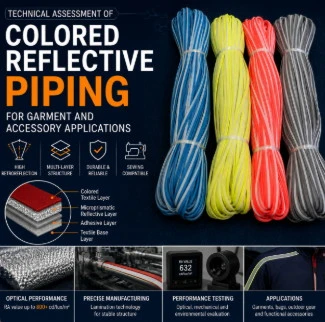
Unlike standard signage, road safety reflective signs are designed to maintain high visibility in low-light environments such as fog, rain, or nighttime driving. Retroreflection technology redirects light from vehicle headlights back toward the driver, ensuring the message remains clear from a distance. This makes reflective signs essential for reducing hazards, especially on high-speed roads and poorly lit areas.
Common Materials for Reflective Road Signs
Choosing the right traffic sign materials is crucial for long-term durability and performance. The two most common categories are:
Engineering Grade Reflective Sheeting (EG):
Widely used for regulatory and warning signs in urban environments. Cost-effective but with moderate brightness, making it suitable for lower-speed roads.
Diamond Grade Reflective Sheeting (DG):
Known for superior retroreflective properties, it ensures maximum visibility even at sharp angles or long distances. Ideal for highways, tunnels, and critical safety zones.
Other materials, such as high-intensity prismatic films, offer a balance between price and performance, depending on project requirements.
International Standards and Regulatory Requirements
Reflective road signs must comply with global safety regulations to ensure consistency and effectiveness. Standards such as ASTM D4956 (USA), EN 12899-1 (Europe), and ISO 7591 (International) define requirements for retroreflective sheeting, color performance, and durability. National transportation authorities often specify which grade of reflective material is required for specific applications.
Compliance not only guarantees road user safety but also avoids costly replacements due to non-conformance. For more insights on reflective technology, see our article: Retroreflective Sheeting & Why It Matters.
Manufacturing and Installation Process
The production of reflective road signs involves precision steps:
Material Selection – Choosing the correct reflective sheeting grade.
Substrate Preparation – Using aluminum or composite panels for durability.
Printing & Lamination – Applying graphics through screen printing or digital methods with protective overlays.
Quality Testing – Checking reflectivity, adhesion, and weather resistance.
Installation – Ensuring correct positioning, angle, and height according to regulatory guidelines.
Proper installation is as important as material selection, since the angle of reflection determines how effectively light returns to drivers.
👉 Looking for high-quality materials and solutions? Visit our Reflective Road Signs Product Page.