
Nylon vs PVC Raincoats: Which Is Better for Outdoor Sports?
When the weather turns nasty, the right raincoat can be the difference between a great day outside and a miserable one. For most buyers and wholesaler, the big question is simple: nylon vs PVC raincoats-which material actually works better for outdoor sports like golf, hiking, cycling, motorcycle riding and fishing?
Both materials have their own strengths, and both can be excellent choices when used in the right way. This guide breaks down how nylon and PVC rainwear differ in performance, comfort, durability and cost, and helps you match each material to the right sport and user scenario.
Why Raincoat Material Matters for Outdoor Sports
Not all rain is the same-and not all raincoats are either. A commuter pedaling to work in light drizzle, a golfer walking 18 holes in shifting showers, and a fisherman sitting for hours in heavy rain all have very different needs.
Key performance factors include:
Waterproof rating and seam construction
Breathability and comfort during movement
Weight and packability
Durability, abrasion and chemical resistance
Visibility and reflective safety at dawn, dusk and night
Choosing between nylon vs PVC raincoats means deciding which of these factors matter most for your activity and your customers. Let's look at each material in detail.
What Are Nylon Raincoats?
How Nylon Raincoats Are Made
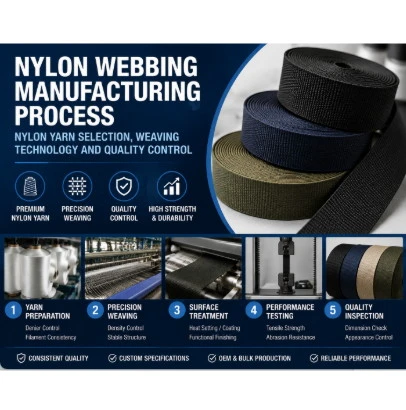
Nylon raincoats are typically made from woven nylon fabric-often 190T or 210T nylon taffeta-with a waterproof coating or membrane applied to the inside. The seams are usually stitched and then taped on the inside to prevent leakage.
This combination gives a waterproof nylon rain jacket that is:
Light in weight
Flexible and soft to the touch
Easy to fold or roll into a small package
Some performance models add mesh linings, vents or breathable membranes to improve air circulation and comfort for outdoor sports.
Key Pros of Nylon Raincoats for Sports
For most dynamic outdoor sports, nylon has several clear advantages:
Lightweight & easy to pack
Nylon fabric is thin and compressible, so a packable nylon raincoat for travel or hiking can disappear into a side pocket of a backpack or golf bag.
Better movement and drape
The fabric follows the body's motion instead of resisting it. For golf swings, trail running or cycling, a nylon raincoat for outdoor sports feels less restrictive than stiffer materials.
More breathable & quicker drying
While no coated fabric is as breathable as a T-shirt, nylon generally allows more moisture to escape than solid PVC. It also dries faster after a shower passes.
Sporty appearance
Nylon rain jackets often look more like athletic outerwear than workwear, which appeals to golfers, runners, hikers and casual travelers.
Limitations of Nylon Raincoats
Nylon has its downsides:
Moderate, not extreme, waterproofing
For most rainstorms nylon is more than enough, but in continuous heavy rain combined with pressure (sitting, kneeling, leaning), PVC can outperform it.
Less resistant to harsh chemicals and heavy abrasion
On fishing boats, construction sites or industrial areas, sharp edges, fuel and oils are more likely to damage nylon than PVC.
More delicate care
High heat from dryers or direct flames can damage coatings; nylon rainwear works best when washed gently and air-dried.
What Are PVC Raincoats?
PVC Raincoat Materials and Construction
A PVC raincoat is made from sheets of polyvinyl chloride, often reinforced with a polyester or cotton backing. The panels are joined by heat welding or high-frequency sealing rather than stitching. The result is a pvc raincoat for outdoor activities that is extremely resistant to water penetration.
Key Pros of PVC Raincoats for Outdoor Activities
PVC shines where waterproofing and toughness are more important than light weight:
Outstanding waterproof performance
PVC is, by nature, non-porous. A durable pvc rain suit for fishing and camping can handle driving rain, ocean spray and sitting on wet surfaces for hours without leaking.
High durability and abrasion resistance
The thicker film tolerates rough handling, dragging over decks and contact with tools or equipment. This makes it ideal for industrial work, utility crews and heavy-duty tasks.
Easy to clean and maintain
Mud, fish blood, oil and other stains can simply be rinsed or wiped off. This gives PVC rainwear a long service life in tough conditions.
Limitations of PVC Raincoats
On the other hand, PVC raincoats are not always the right choice for high-movement sports:
Heavier and bulkier
Compared with nylon, PVC rainwear feels heavier on the shoulders and takes more space in a bag.
Low breathability
PVC does not breathe, so heat and moisture build up inside during intense activity. For running, climbing or fast cycling, this can quickly become uncomfortable.
Environmental considerations
Some markets and brands are moving away from PVC due to recycling and sustainability concerns. This may affect purchasing decisions for eco-focused customers.
Nylon vs PVC Raincoats – Head-to-Head Comparison
Waterproof Performance and Weather Protection
For short to medium outdoor sports sessions in light to heavy rain, a well-coated nylon jacket with taped seams is usually sufficient. It keeps the wearer dry while staying comfortable and mobile.
For very long exposure or extreme conditions-think commercial fishing, offshore work, or hours sitting in heavy rain-a pvc rain suit for fishing and work still has the upper hand. PVC simply resists water penetration longer, especially when there is pressure on the fabric.
Summary:
Hiking, golf, city cycling → nylon is usually enough
Offshore fishing, industrial work, high-pressure washdown → PVC is safer
Breathability, Comfort and Mobility
Breathability and freedom of movement are where nylon wins the nylon vs pvc raincoats battle for most sports.
Nylon allows some moisture vapor to escape and feels less "plastic".
PVC traps sweat and warm air inside, which can be uncomfortable during prolonged physical effort.
For sports that involve constant motion-golf swings, pedaling, climbing or trail running-a breathable rain jacket for running and trail sports made from nylon or nylon blends is a far better user experience.
Weight, Packability and Storage
A packable nylon raincoat for outdoor sports can roll down to the size of a water bottle or smaller. This is ideal for:
Hikers and backpackers counting every gram
Golfers who want a backup jacket in their bag
Commuters who might only need rain protection once or twice a week
PVC rainwear, especially heavy-duty styles, is harder to compress and heavier to carry. It makes sense when the user wears it for long periods rather than carrying it "just in case."
Durability, Abrasion and Chemical Resistance
PVC is extremely tough against:
Abrasion from decks, rocks and concrete
Contact with oils, fuel and many chemicals
Repeated kneeling, sitting or leaning on rough surfaces
Nylon can be reinforced but is still generally less robust in such extreme conditions.
For industrial buyers and certain outdoor jobs, a heavy duty pvc rainwear for workers provides better long-term value, even if it is heavier and less comfortable.
Safety, Reflectivity and Visibility
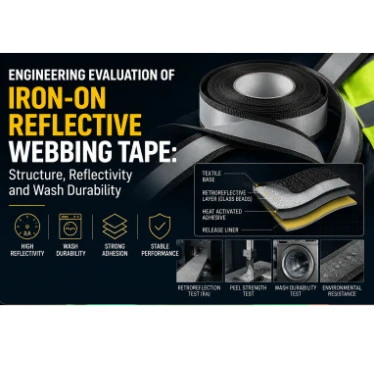
Both nylon and PVC can be made in high-visibility colors and can carry reflective tapes. For many outdoor sports and roadside tasks, visibility is as important as waterproofing.
Modern designs combine bright fluorescent fabric with reflective bands and sometimes LED accessories. Nylon jackets often pair well with LED reflective armbands and belts for night sports, while PVC suits are common in road work and sanitation uniform programs.
Environmental and Cost Considerations
Cost: PVC is often cheaper per unit for basic rainwear, especially in thicker weights. Coated nylon with advanced breathable membranes can be more expensive.
Environment: Nylon is still synthetic, but PVC attracts more regulatory scrutiny in some regions. Brands with strong sustainability messaging may prefer nylon or blended alternatives.
Which Raincoat Material Fits Your Sport?
Hiking and Trekking
For hikers and trekkers, weight and packability are critical. A waterproof nylon rain jacket that folds into its own pocket and hangs easily on a backpack is ideal. Nylon offers enough waterproofing for most hikes, especially when combined with good layering.
PVC only makes sense for short, low-activity walks in extremely wet environments where durability is critical and weight is less of a concern.
Golf and Driving Range Practice
Golfers want to swing freely without feeling wrapped in plastic. Here, nylon is the clear winner.
A lightweight reflective raincoat set for golf provides:
Enough rain protection for showers and windy conditions
Full range of motion for the swing
Quiet fabric that doesn't distract players
Reflective details for early-morning or late-evening rounds
Internal link suggestion: use anchor text lightweight reflective raincoat set for golf to link to your nylon golf rain suit product page.
Cycling and Motorcycle Riding
For cycling and motorcycle commuting, both materials can work depending on conditions:
Daily commuting and fitness riding:
A light, breathable nylon jacket with reflective panels is ideal. It balances weather protection with ventilation.
Long motorcycle trips in continuous heavy rain:
A thicker PVC set or a motorbike rain suit with jacket and pants may provide better protection, especially at high speeds.
Fishing, Boating and Waterside Work
This is PVC territory. Long hours near or on the water, limited movement and constant spray favor a tough, fully waterproof suit.
A durable pvc rain suit for fishing and camping is perfect for:
Recreational anglers sitting on wet banks or boats
Small boat crews and dock workers
Campers expecting extended wet weather and mud
Industrial Work, Construction and Roadside Jobs
Workers who spend their shifts outdoors in all weather-sanitation crews, road workers, construction laborers-benefit from heavier fabrics and extreme durability.
Here, a heavy duty pvc rainwear for workers with high-vis colors and reflective tape is typically preferred.
Pairing it with safety accessories like LED reflective armbands and belts for night sports or night work further increases visibility and compliance on dark roads.
Quick Buying Checklist – Nylon vs PVC Raincoats
When deciding between nylon and PVC raincoats for yourself or your customers, ask these questions:
What activity will the user do most often?
High-movement sports (golf, hiking, cycling, running) → nylon
Low-movement, heavy exposure (fishing, industrial work) → PVC
How long and how intense is the typical rain exposure?
Short, occasional showers → nylon is enough
Continuous heavy rain and splash → PVC performs better
How important are weight and packability?
If the raincoat is carried "just in case", a packable nylon model wins.
If it is worn many hours each day, a heavier PVC suit can make sense.
Is breathability and comfort a priority?
For active users, a breathable nylon rain jacket will be much more comfortable.
What level of durability is required?
For rough work environments, PVC or reinforced fabrics last longer.
Are there any environmental or branding requirements?
Eco-focused brands may lean toward nylon-based solutions and carefully chosen coatings.
Frequently Asked Questions About Nylon and PVC Raincoats
Q1: Are nylon raincoats waterproof enough for heavy rain?
A good quality nylon raincoat with a proper coating and seam taping can handle heavy rain for several hours, especially during movement. For very long, static exposure in extreme rain, PVC still provides a higher margin of safety, but for most outdoor sports, nylon rainwear is more than sufficient.
Q2: Do PVC raincoats breathe at all?
Solid PVC itself does not breathe. Some designs add vents or mesh linings to improve comfort, but compared with nylon the airflow is still limited. That's why PVC rainwear is better suited to low-activity tasks rather than high-intensity sports.
Q3: Which raincoat is better for cycling and motorcycle commuting?
For most commuters and fitness cyclists, a lightweight, reflective nylon jacket is the better everyday choice. For long motorcycle rides in heavy, continuous rain, a PVC or multi-layer touring suit can offer more robust protection.
Q4: Is PVC rainwear safe and eco-friendly?
PVC is widely used and safe in normal use when properly manufactured, but it is less environmentally friendly than many alternatives and can be harder to recycle. Brands with strong sustainability goals often favor nylon or other technical fabrics instead.
Q5: How long does a nylon raincoat last compared with PVC rainwear?
In normal sports use-golf, hiking, cycling-a quality nylon raincoat can last for many seasons if cared for properly. In very harsh, industrial conditions, a thicker PVC suit generally outlasts nylon due to its resistance to abrasion and chemicals.
Q6: Can I get reflective strips on both nylon and PVC raincoats?
Yes. Reflective tape and trims can be applied to both materials. For maximum safety, combine high-visibility fabrics with reflective strips and, if needed, separate reflective accessories such as LED belts or armbands.
Nylon vs PVC Raincoats for Outdoor Sports
In the nylon vs PVC raincoats debate, there is no single winner-only the material that best fits the activity.
Choose nylon if your users are active-golfers, hikers, cyclists, runners and travelers who value light weight, packability, breathability and freedom of movement.
Choose PVC when maximum waterproofing, rugged durability and easy cleaning are more important than comfort-fishing, heavy rain work, industrial tasks and long, wet days on the water.
For many brands and distributors, the best strategy is to offer both options: a Lightweight Reflective Golf Raincoat Set or hiking range in nylon, and a durable pvc rain suit for fishing and work range for heavy-duty users.
Learn more about our solutions on our full range of nylon and PVC raincoats for outdoor sports.