
How Retroreflector Technology Works: From "Cat's Eyes" to Modern Films
Road safety has always depended on visibility. From the early invention of cat's eyes road safety markers to today's advanced reflective film technology, retroreflector technology has undergone remarkable transformation. This evolution not only improved nighttime driving but also laid the foundation for modern smart transportation systems.
The History of Early Road Safety Markers
The first widely adopted retroreflective device was the "cat's eye," invented in the 1930s. Inspired by how real feline eyes shine at night, the cat's eye road stud used glass reflectors embedded in rubber and metal housings. These simple but effective devices significantly enhanced driver awareness at night and in bad weather, establishing the concept of built-in road visibility.
The Science Behind Retroreflectors: Microprisms & Glass Beads
At its core, retroreflector technology works by reflecting light back toward its source. Two main methods dominate:
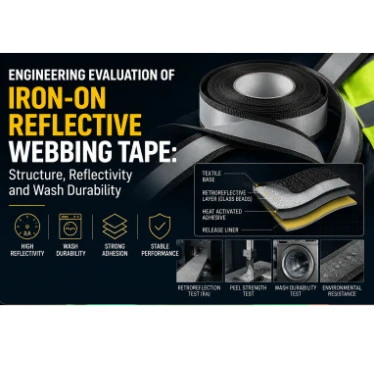
Glass Bead Technology: Tiny transparent beads refract and reflect incoming light back toward the driver. This method is still widely used for traffic signs and pavement markings.
Microprism Technology: Modern reflective films use microprisms-precisely engineered geometric structures that return light with higher intensity and durability than beads.
Both principles ensure visibility from long distances and wide angles, making them indispensable in road safety design.
From Beads to Films: The Evolution of Reflective Materials
The industry has shifted from rigid studs to reflective film technology, which can be applied to flexible surfaces such as road signs, vehicle markings, and safety apparel. Innovations include:
Durable multilayer films with weather resistance.
High-intensity prismatic sheeting offering brighter reflection.
Custom colors and patterns for branding and regulatory compliance.
These advancements make retroreflective materials lighter, easier to apply, and more effective in various environments.
Real-World Applications & Future Directions
Today, retroreflector technology powers a broad spectrum of safety products:
Traffic signs and lane markings with prismatic films.
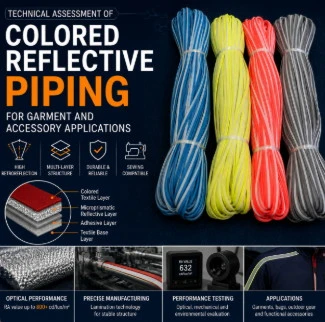
Safety vests and workwear using reflective tapes.
Automotive safety features such as reflective decals.
Looking forward, smart transportation systems are integrating sensors with reflective sheeting to support autonomous vehicles. The combination of reflective film technology with digital connectivity promises safer, more adaptive roads in the coming decade.
Learn more about our full range of solutions on our Retroreflective Sheeting product page.