
How to Build a Three-Layer Workwear System: Insulation Layer, Functional Layer and Outer Protection
In tough outdoor jobs, "just throwing on a thick jacket" is rarely enough. Construction crews, road workers, logistics teams and oil & gas operators work in cold, wet and windy conditions where comfort and safety are closely linked. If workers are shivering, soaked in sweat or constantly taking jackets on and off, productivity drops and safety risks go up.
That's why more and more safety managers are turning to a three-layer workwear system for cold weather:
Insulation layer + functional layer + outer protection shell.
This structured workwear layering system for cold weather keeps workers warm, dry and visible-while still allowing them to adjust quickly to changing conditions. In this guide, we explain each layer, how they work together, and how buyers can specify complete layered solutions instead of just "a winter jacket".
Why a Three-Layer System Matters in Professional Workwear
The risks of dressing "too simple"
On real job sites, it's common to see workers:
wearing a single thick padded coat, sweating heavily whenever they move
working in a non-breathable raincoat that keeps rain out but traps moisture inside
putting on and taking off jackets all day because there's no flexible mid-layer
The result:
sweat builds up, then cools down → workers feel damp and chilled
restricted movement → reduced productivity and possible PPE non-compliance
poor moisture management → higher risk of colds and fatigue
A well-designed three-layer workwear system solves these problems by separating tasks:
one layer manages warmth
one layer manages moisture and performance
one layer shields against weather and hazards
The three-layer concept in workwear
The outdoor industry talks about base–mid–shell. In industrial workwear, we can translate that into:
Insulation Layer – traps warm air and stabilises body temperature
Functional Layer – manages moisture, freedom of movement and special functions (FR, anti-static, hi vis colour, etc.)
Outer Protection Layer – provides weather protection, visibility and hazard shielding
This approach works for:
building and civil engineering sites
road construction and traffic control
ports, airports and logistics hubs
mining, oil & gas and heavy industry
Once you understand these three layers, you can build a flexible clothing system instead of buying random pieces of winter workwear.
The Insulation Layer: Keeping Core Warmth Without Bulk
What the insulation layer does
The insulation layer for workwear is all about keeping the worker warm by trapping air close to the body. It must provide warmth without becoming a heavy, bulky obstacle.
Typical insulation garments include:
fleece jackets or fleece vests
quilted or padded bodywarmers
thermal underwear sets
insulated hoodies worn under a hi vis jacket
The insulation layer should be:
warm for the temperature range
reasonably breathable
easy to put on or take off during breaks
Choosing the right insulation for different climates
There is no single solution for every site. Safety managers should match insulation to climate and activity level:
Cool, damp climates
thin fleece jacket or gilet
light padded vest under a hi vis shell
Cold, dry climates
medium-weight fleece or padded jacket
insulated winter work jacket layered over a base top
Extremely cold zones (open mining sites, northern ports, night work)
heavy insulated parka or insulated winter work jacket
thermal base layers on torso and legs
insulated bib pants or full winter high visibility workwear sets
The key is to think in adjustable steps: workers can add or remove one insulation piece as conditions change, instead of relying on a single "too hot or too cold" coat.
Common insulation mistakes on job sites
Some frequent problems:
Only issuing one very thick coat, with no mid-layer options.
Ignoring breathability, which leads to sweating and then rapid cooling.
Forgetting hi vis needs: inner layers clash with or reduce the effectiveness of high-visibility outer shells.
By specifying a modular insulation layer as part of a three-layer workwear system, buyers can keep workers comfortable much more consistently.
The Functional Layer: Moisture Management and Performance
What is the functional layer in work clothing?
The functional layer work clothing sits between insulation and shell (or sometimes directly on the skin). Its main jobs are:
wick sweat away from the body
dry quickly
support free movement (stretch and ergonomic cuts)
in some cases, deliver special protections: flame resistance, anti-static performance, or even high-visibility colour
This layer is where you balance comfort and performance.
Examples of functional workwear layers
Typical functional garments include:
moisture-wicking long-sleeve tops or thermal base shirts
lightweight stretch jackets or softshells
reflective workwear hoodies used as mid-layers under hi vis shells
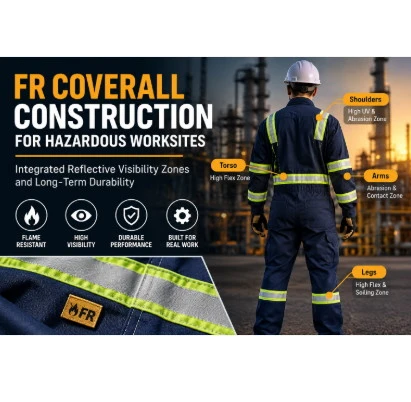
FR base layers and FR mid-layers worn under CAT 2 FR coveralls in electrical or oil & gas work
A good functional layer:
pulls moisture away from the skin
allows warm air from the insulation layer to circulate
doesn't get too thick or bulky under a protective shell
Matching functional layers with insulation and outer shells
A few practical combinations:
Cold and rainy
wicking base top
light fleece or thin padded mid-layer
waterproof hi vis rain jacket as outer protection
Very cold but low sweating
thermal base layer top & bottom
fleece or padded mid-layer
insulated hi vis winter jacket
FR and arc-flash risk areas
FR base layer
FR mid-layer or FR sweatshirt
FR hi vis jacket or CAT 2 FR coveralls as outer shell
In every case, the functional layer keeps the system breathing, even when insulation and outer shells are quite protective.
The Outer Protection Layer: Weather, Visibility and Hazard Shield
Core functions of the outer protection shell
The outer protection layer is what most people notice first: the bright, reflective jacket or rain suit. In a professional three-layer workwear system, this shell must:
block wind, rain, snow and dirt
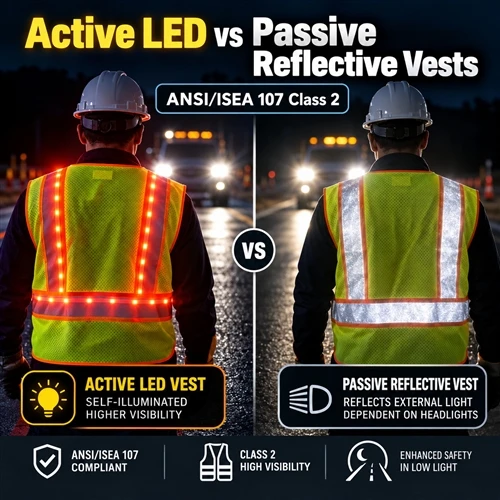
maintain high visibility with fluorescent fabric and reflective tape
provide any needed hazard protection: FR, anti-static, chemical resistance, etc.
In other words, it is the weather and hazard shield as well as a visibility platform for the entire system.
Key features of a high-quality protective shell
When evaluating shells such as hi vis safety work wear jackets or rain suits, look for:
proven waterproof and windproof performance
taped or sealed seams for better protection
strategically placed reflective tapes that meet EN ISO 20471 / ANSI 107
dark or black-bottom panels to hide dirt and wear
reinforced elbows, shoulders, cuffs and hems for abrasion resistance
enough room to accommodate insulation and functional layers underneath without restricting movement
A well-chosen shell turns your layered garments into a coherent safety system, not just a random stack of clothes.
Matching shells to job roles and environments
Examples:
Road construction & traffic control
waterproof hi vis rain jackets and rain suits
black-bottom hi vis parkas that hide mud and oil stains
Logistics & delivery
lightweight hi vis softshell jackets
hi vis vests worn over hoodies or sweatshirts for flexible layering
Oil & gas / utilities / electrical work
FR hi vis jackets and CAT 2 FR coveralls
anti-static hi vis shells compatible with FR base layers
Each crew may need a slightly different outer protective shell, but the idea of the three-layer system remains the same.
Putting It All Together: Layering Strategies for Different Climates
Layering for cool and wet coastal climates
In cool, windy and rainy coastal regions:
start with a quick-dry base top
add a thin fleece jacket or light padded vest
finish with a waterproof hi vis rain jacket or rain suit
This combination keeps workers dry from both rain and sweat, and they can remove the fleece or vest during active tasks or warmer periods.
Layering for dry but very cold winters
For dry but freezing locations-open construction, mining or logistics yards in winter:
thermal base layer top and bottom
insulated fleece or padded mid-layer
insulated hi vis winter jacket or parka as outer shell
optional thermal bib pants plus neck gaiter and insulated gloves
Here, the focus is maximum warmth without losing mobility, and the outer layer must still deliver high visibility and weather protection.
Layering for high-activity, mixed indoor/outdoor work
For warehouse and delivery teams who move between vehicles, indoor docks and outdoor ramps:
wicking long-sleeve T-shirt or light base top
thin stretch mid-layer or hoodie
lightweight hi vis softshell or hi vis vest
Workers need to avoid overheating, so this workwear layering system emphasises breathability, light insulation and quick on/off shells.
Buying Checklist: How Safety Managers Should Specify Layered Workwear
Questions to ask when planning a layering system
Instead of simply ordering "winter jackets", safety managers can use these questions:
What temperature range will workers face during the season?
How much of the job is high-activity vs low-activity?
Are the main hazards rain, snow, wind, mud, or chemicals?
What standards are required (EN ISO 20471, ANSI 107, FR norms, anti-static)?
Do we need consistent corporate colours and logos across all layers?
By answering these questions, you can build a clear specification for insulation, functional and outer layers.
Typical mistakes in purchasing layered workwear
Some easy traps to avoid:
Buying only one thick jacket and ignoring base and mid-layers.
Failing to align insulation and functional pieces with high-visibility outer shells.
In FR environments, issuing a FR outer garment but allowing workers to wear non-FR inner layers, which can compromise protection.
A true three-layer workwear system should be planned as a package, not as separate items from different suppliers.
How a supplier can help you design a three-layer system
A good industrial workwear manufacturer can:
analyse your job roles, climate zones and standards
recommend complete layered sets (insulation, functional, outer protection) for each crew
customise colours, logos and reflective layouts so the whole system supports your brand and safety policy
offer hi vis rain suits, insulated winter work jackets, FR coveralls and accessories that fit together in one coherent program
This partnership approach turns layering into a strategic part of your PPE program, not just a fashion choice.
Turn Layering into a Safety and Productivity Advantage
The three-layer workwear system is simple in theory but powerful in practice:
the insulation layer keeps workers warm
the functional layer manages moisture and performance
the outer protection shell shields against weather and hazards while providing high visibility
When all three are correctly specified, workers stay more comfortable, more focused and more compliant. That means better productivity, fewer complaints about clothing, and a longer service life for each garment.
For safety managers and buyers, the next step is to treat clothing not as isolated items, but as a complete layering system for cold-weather workwear. With the right supplier support, you can build a modular wardrobe where workers swap layers-not safety.