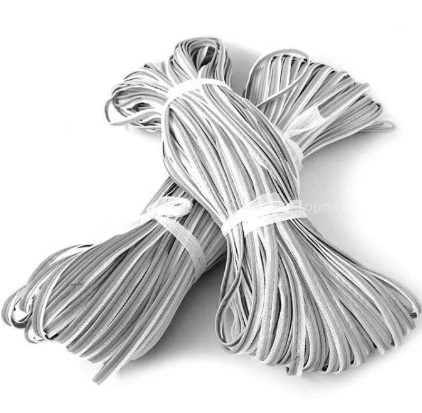

Reflective tape quality on bulk safety jackets should be verified by four control points: tape construction type, initial retroreflection value in cd/lx/m², retention after washing, and batch-level defect rate under an AQL inspection plan. For import buyers, passing a visual check is not enough. The tape must remain functional after sewing, laundering, abrasion, and field use under low-light exposure.
For bulk orders, the most reliable method is to combine material confirmation, laboratory data review, garment-level wash testing, and pre-shipment sampling. That is the difference between a jacket that looks compliant on day one and one that still performs after site use, repeated washing, and warehouse handling.
Why Reflective Tape Verification Matters on Bulk Safety Jacket Orders
In bulk safety jacket procurement, reflective tape is not a decorative trim. It is the visibility component that determines whether the finished garment can meet project specifications, distributor quality standards, or end-user compliance requirements. A jacket with poor tape performance can fail after the first wash cycle, lose nighttime visibility, or trigger claim disputes when delivered into construction, oil and gas, rail, mining, or municipal contracts.
Typical risk points in bulk orders include:
Incorrect tape type substituted after sample approval
Low initial RA value at incoming inspection
Poor adhesion or stitch damage at the sewing line
Excessive brightness loss after EN ISO 6330 washing cycles
Shade mismatch between production lots
Surface cracking, silver loss, or edge lifting after storage and transport
For buyers sourcing from a China manufacturer or supplier, reflective tape verification is also a supplier control tool. It helps confirm whether the factory is using the approved material specification rather than a visually similar lower-cost substitute.
Glass Bead vs Micro-Prismatic Reflective Tape Technology
The first step in reflective tape verification is to identify the tape construction. Most safety jackets use either glass bead reflective tape or micro-prismatic reflective tape. These two systems behave differently in brightness, flexibility, wash durability, angle performance, and cost.
Optical Structure and Working Principle
Glass bead reflective tape uses a surface layer containing microscopic glass spheres. Light enters the bead structure and is returned toward the light source. This design is widely used on workwear because it is flexible, cost-efficient, and suitable for sewn tape applications.
Micro-prismatic reflective tape uses a prism array rather than bead geometry. The prism structure can return light with higher intensity under certain conditions, and it is common where higher brightness or engineered optical performance is required.
Technical Comparison Table
| Item | Glass Bead Reflective Tape | Micro-Prismatic Reflective Tape |
|---|---|---|
| Optical structure | Microsphere glass bead system | Prism cell array |
| Typical hand feel | Softer, more textile-friendly | Firmer, more structured |
| Common use on garments | Very common | Less common on standard sewn jackets |
| Initial brightness level | Stable for general PPE use | Often higher under controlled conditions |
| Flexibility after sewing | Better for curved seams and garment movement | Lower than soft bead-based tape |
| Wash durability | Depends on backing, binder, and stitch method | Depends on prism film design and lamination |
| Surface cracking risk | Lower on soft textile tapes | Higher if film structure is too rigid for garment bending |
| Cost level | Lower to medium | Medium to high |
| Recommended verification point | RA value + wash retention + stitch compatibility | RA value + flex cracking + wash retention |
When Buyers Should Select Each Type
Choose glass bead reflective tape when the jacket program requires:
High sewing compatibility on softshell, polyester oxford, fleece, or mesh-lined garments
Stable bulk supply for standard high visibility workwear
Lower material cost without sacrificing basic compliance targets
Better drape on body movement zones such as elbows, chest panels, and sleeves
Choose micro-prismatic reflective tape when the buyer requires:
Higher optical return targets in a controlled specification
Premium visibility programs with stricter brightness expectations
A more engineered tape surface for designated market segments
Special project-based garments where reflective performance is specified at a higher level than general workwear supply
At this stage of supplier evaluation, buyers should ask the factory for the tape construction declaration, technical data sheet, and retained sample swatch from the approved pre-production lot.
If your project team is comparing tape constructions for rain jackets, insulated parkas, or traffic jackets, review the approved tape options together with the garment shell and sewing method before production starts.
Key Metric: Measuring the Coefficient of Retroreflection (cd/lx/m²)
The core number behind reflective tape performance is the coefficient of retroreflection, commonly expressed as cd/lx/m². This value indicates how much light is returned from the tape surface toward the light source under defined observation and entrance angles.
For procurement teams, this is the most important laboratory indicator because visual brightness under room lighting is not a reliable acceptance method. Two tapes may look similar under daylight but perform very differently under vehicle headlights, torch inspection, or low-angle night exposure.
What Buyers Need to Check in a Tape Test Report
A useful reflective tape report should identify:
Test method and reporting conditions
Tape construction and backing type
Initial RA value in cd/lx/m²
Sample condition before testing
Wash cycles completed before retest
Any note on flex damage, cracking, or surface loss
Typical Verification Focus by Buyer Type
| Buyer Type | Main Concern | Required Verification Focus |
|---|---|---|
| PPE distributor | Complaint rate and repeat orders | Stable RA value and consistent lot performance |
| Project contractor | Site compliance and safety audits | Garment-level reflective performance after wear and wash |
| Brand owner / OEM buyer | Product liability and spec control | Approved tape swatch, RA data, wash retention, production consistency |
| Industrial laundry end user | Tape degradation after repeated cleaning | EN ISO 6330 laundering performance retention |
| Government / tender buyer | Document traceability | Technical file, pre-shipment inspection, retained sample evidence |
Practical Incoming Inspection Method for Tape Brightness
For bulk safety jackets, buyers should not rely only on the fabric supplier's test sheet. A practical incoming inspection workflow should include:
1. Swatch Confirmation Against Approved Sample
Compare the production tape swatch against the signed approval sample under neutral lighting. Check silver tone, surface texture, width tolerance, and backing construction.
2. Random Lot Sampling
Select tape rolls or finished jackets from different cartons or production times. Avoid checking only top-layer packed goods.
3. Low-Light Comparative Check
Use a fixed low-light environment and consistent light source position to compare lot variation. This is not a replacement for laboratory RA testing, but it is useful for spotting gross inconsistency.
4. Third-Party Laboratory Confirmation
For high-value or regulated orders, send retained tape pieces or finished garment samples to an external lab for RA testing before balance payment or shipment release.
Industrial Washing Tests: How EN ISO 6330 Affects Reflective Performance Retention
A reflective tape that performs well before washing may not remain acceptable after industrial or domestic laundering. In actual field use, safety jackets are bent, abraded, stitched, folded, compressed in cartons, and repeatedly cleaned. That is why wash retention matters more than initial brightness alone.
EN ISO 6330 is commonly referenced when evaluating domestic washing procedures for textile products. For safety jackets, buyers use wash-cycle testing to see whether reflective performance drops after repeated laundering. The result depends on tape formulation, backing fabric, sewing needle damage, stitch density, shell fabric movement, detergent exposure, and drying conditions.
Why Washing Damages Reflective Tape
Reflective tape can degrade after washing through several mechanisms:
Surface abrasion from mechanical action
Binder breakdown under detergent exposure
Glass bead loss or prism surface damage
Edge curling from thermal stress
Needle perforation expansion after repeated flexing
Separation between reflective layer and textile backing
Wash-Test Verification Table for Bulk Orders
| Verification Item | What to Check | Typical Failure Mode |
|---|---|---|
| Initial RA value | Before washing | Low starting brightness |
| RA retention after wash cycles | Compare cycle-by-cycle drop | Excessive brightness loss |
| Surface appearance | Silver layer integrity | Cracking, whitening, peeling |
| Edge condition | Tape perimeter stability | Curling, fraying |
| Stitch line integrity | Needle zone damage | Delamination near stitch holes |
| Garment panel distortion | Tape behavior on finished jacket | Puckering or tunnel effect |
Recommended Buyer Practice for Wash Validation
For bulk safety jackets, ask the supplier to provide:
Tape specification sheet
Garment construction sheet showing tape sewing method
Wash test data on finished garment, not tape only
Number of cycles completed before retest
Clear pass/fail standard used in the project file
For projects involving regular laundering, it is better to test the tape after sewing on the actual jacket shell rather than as a loose tape sample. A tape can pass as a material swatch but fail once stitched onto a lightweight shell, fleece backing, or seam-sealed waterproof jacket.
Request Bulk Pricing for ANSI Class 2 Vests
If you are evaluating tape quality together with full garment supply, request the tape specification, approved sample standard, and wash-retention record before mass production starts.
AQL Inspection Checklist for Bulk Safety Jacket Orders
Even when the tape type and RA value are approved, the order can still fail at shipment stage due to production inconsistency. This is why buyers need an AQL-based inspection checklist that covers both tape performance and garment workmanship.
AQL inspection should be applied at pre-shipment stage using random carton selection. The exact sampling level depends on contract terms, order volume, and risk class, but the inspection content should remain consistent.
AQL Inspection Points for Reflective Tape on Jackets
Critical Defects
Wrong reflective tape substituted versus approved sample
Missing tape on mandatory visibility zones
Tape stitched in incorrect position affecting garment classification
Severe peeling, delamination, or non-reflective surface section
Mixed tape specification within one order lot
Major Defects
Noticeable brightness variation between jackets
Tape width outside tolerance
Twisting, skewing, or uneven alignment on front body or sleeves
Broken stitch line causing tape lifting
Creasing or hard fold marks affecting reflective continuity
Minor Defects
Slight shade variation within agreed tolerance
Minor stitch irregularity not affecting attachment
Small surface marks outside primary visibility area
Packaging fold impression recoverable after unpacking
Suggested AQL Inspection Record Table
| Inspection Item | Check Method | Defect Level |
|---|---|---|
| Tape type matches approved sample | Visual + swatch comparison | Critical |
| Tape position and layout | Measure against approved spec | Critical |
| Tape width tolerance | Tape measure / ruler | Major |
| Reflective brightness consistency | Low-light comparison across samples | Major |
| Stitch attachment quality | Visual + pull check | Major |
| Surface cracking / silver loss | Visual inspection | Major |
| Edge fray / curl | Visual inspection | Minor to Major |
| Carton lot consistency | Random carton cross-check | Major |
Pre-Shipment Inspection Workflow
Step 1: Review Approved Reference File
Confirm the approved jacket sample, tape swatch, technical pack, and any project-specific reflective requirement.
Step 2: Select Random Cartons
Pull cartons from different pallet positions, production dates, and packing lines where possible.
Step 3: Inspect Garment Layout
Check whether tape location matches the approved artwork, measurement chart, and visibility-zone design.
Step 4: Check Tape Workmanship
Inspect stitching density, seam flatness, tape edge condition, and bonding integrity where applicable.
Step 5: Retain Evidence
Photograph defects, record carton numbers, retain one sealed sample, and document the lot disposition before shipment release.
Supplier Control Points Before You Place a Bulk Order
Before confirming a mass production order, the buyer should obtain and review the following:
Reflective tape technical data sheet
Pre-production jacket sample with actual tape applied
Wash-test evidence on the finished garment
Material approval record signed by both parties
Lot traceability rule for tape rolls used in production
Inspection plan covering in-line and final AQL checks
Clear replacement or claim terms for reflective failure
This is especially important when buying from a China factory for repeated OEM supply. The most common failure in repeat orders is not initial sampling. It is uncontrolled substitution after the first approved run.
If the order includes waterproof safety jackets, insulated high visibility jackets, or traffic parkas, reflective tape verification should be reviewed together with shell fabric, seam construction, and wash-care method because tape performance can change with garment structure.
Engineering Notes for Different Safety Jacket Constructions
Reflective tape performance is also affected by the jacket base material and garment construction. Procurement teams should not evaluate tape as an isolated component only.
Birdseye Polyester Mesh Safety Jackets
Risk points:
Mesh deformation under stitch tension
Tape misalignment on lighter structures
Lower panel stability during repeated laundering
Oxford PU-Coated Safety Jackets
Risk points:
Tape puckering on stiffer fabric
Needle penetration effects near waterproof coatings
Differential shrinkage between tape and shell
Fleece-Lined or Insulated Jackets
Risk points:
Surface distortion from layered construction
Tape bridging over uneven panel thickness
Higher fold stress during packing and winter storage
Seam-Sealed Waterproof Jackets
Risk points:
Tape conflict with seam-sealing process
Heat exposure during manufacturing
Water and detergent interaction at stitched reflective zones
Conclusion
To verify reflective tape quality on bulk safety jacket orders, buyers should not stop at appearance or supplier declarations. The correct control path is: identify tape construction, confirm RA value in cd/lx/m², check retention after EN ISO 6330 washing, and apply AQL inspection at shipment stage. This method reduces risk across OEM supply, distribution orders, and engineering project procurement.
For long-run supply programs, the most effective control document is a signed approval set including tape swatch, garment sample, wash-test record, and batch inspection criteria. That is what keeps repeat orders stable and claim exposure low.
FAQ
What is the most important test item when checking reflective tape on bulk safety jackets?
The first item is the coefficient of retroreflection in cd/lx/m², but it should not be reviewed alone. Buyers should also verify wash retention, stitch-line integrity, and lot consistency on finished garments.
Can reflective tape pass the initial test but still fail after bulk production?
Yes. This usually happens when the approved tape is substituted, the sewing method damages the tape, or wash retention drops after laundering. That is why garment-level wash testing and pre-shipment AQL inspection are necessary.
What documents should an OEM safety jacket factory provide before shipment?
At minimum: tape technical data sheet, approved pre-production sample, wash-test record, lot traceability information, and final inspection report covering reflective tape placement and workmanship.
Request a bulk quotation, tape specification review, or OEM jacket development file from ASafetyProducts. Submit your target standard, jacket type, and expected wash performance requirement for technical evaluation.