
How to Choose the Right FR Coveralls for Professional Work Sites
If you are responsible for safety, budget and compliance at the same time, choosing the right FR coveralls is not just a technical decision – it's a business decision.
On paper, most FR (flame-resistant) coveralls look similar: navy or orange fabric, reflective tape, a few pockets and a certification label. In practice, small differences in fabric, design and standards can create big differences in protection, comfort and total cost.
In this guide, we'll explain what matters most when buying FR coveralls for electricians, maintenance teams and industrial workers, so you can make confident decisions on your next bulk order.
1. What Are FR Coveralls and When Do You Need Them?
FR coveralls in simple terms
FR coveralls (flame-resistant or flame-retardant coveralls) are one-piece garments designed to self-extinguish or slow down flame spread when exposed to heat or fire. They help:
Reduce the chance that clothing continues to burn after the ignition source is removed
Limit heat transfer to the skin
Provide extra time for workers to move away from danger
For electricians and industrial workers, FR coveralls are often part of a full PPE system together with gloves, safety shoes, helmets and eye protection.
When FR coveralls are required
You should consider FR coveralls when workers are exposed to:
Arc flash hazards (switchgear rooms, electrical panels, utilities)
Open flames, hot work and welding sparks
Flammable gases, vapors or dust
Hot surfaces, molten metal or radiant heat
In many industries-power generation, oil & gas, petrochemical, mining, heavy manufacturing-FR clothing is not optional. It is required by internal safety rules, customer audits, insurance conditions or legal regulations.
– CAT 2 FR coveralls for electricians
– FR workwear for oil & gas and utilities
2. Key Standards and Ratings for FR Coveralls
Understanding CAT ratings (CAT 1, CAT 2, etc.)
In many markets, especially in North America, FR coveralls for electric arc hazards are classified by PPE Category (CAT) or Arc Rating (cal/cm²).
CAT 1: Lowest level of arc flash protection
CAT 2: Common for electricians and maintenance work (e.g. 8 cal/cm² or higher)
CAT 3 & CAT 4: Higher ratings for more severe arc flash environments
When you see CAT 2 FR coveralls, it usually means the garment provides sufficient protection for medium-risk electrical tasks, as defined by standards and arc flash studies for that job.
FR and arc flash standards you should know
Depending on your target market, you may encounter several standards:
FR clothing performance (heat & flame)
Arc flash performance (if required)
Anti-static / electrostatic standards (for explosive atmospheres)
For B2B buyers, the key point is:
Make sure the FR coveralls you buy are tested and certified for the type of hazard your workers actually face
CAT 2 FR coveralls with certified fabric and sewing thread
3. FR Fabric Options: Inherent vs Treated
One of the biggest cost and performance drivers for FR coveralls is fabric choice.
Inherent FR fabrics
The FR properties are built into the fiber itself.
The flame-resistant performance is permanent; it does not wash out.
Often more comfortable and durable in long-term use.
These fabrics are usually more expensive, but they offer reliable protection over the full life of the garment.
Treated FR fabrics
FR chemicals are applied to the fabric during finishing.
Flame-resistant performance can decrease if the garment is washed incorrectly or too many times.
More budget-friendly for large projects with short garment life cycles.
Which one should you choose?
For many buyers, the right choice depends on:
How long you expect the coveralls to be used
How often they are washed (industrial laundry vs home wash)
Whether your customers are highly sensitive to safety audits and long-term performance
A balanced solution for many projects is:
Use inherent FR sewing thread and high-quality FR fabric (even if treated)
Provide clear washing instructions and expected garment life
Match fabric weight (e.g. 220–350 g/m²) to climate and working conditions
4. Design Features That Matter for Electricians and Industrial Workers
Coverage and fit
A good FR coverall must offer full body coverage without restricting movement:
Stand-up collar or mandarin collar to protect the neck
Long sleeves with adjustable cuffs
Full-length legs with enough room for boots
Proper overlap at front closure to minimize open gaps
Fit is equally important:
Too tight → uncomfortable, limited mobility, workers resist wearing it
Too loose → can catch on equipment and increase risk
A professional FR coverall design offers a comfortable, slightly loose fit with enough space for base layers underneath.
Pockets and tool organisation
Electricians and maintenance workers carry tools all day. Practical FR coveralls typically have:
Chest pockets with flaps for pens, meters, radios
Side pockets and back pockets for gloves and small tools
A place for ID card or badge
Optional tool loops or knee pad pockets for certain industries
Design tip:pockets should be reinforced, with FR thread and construction that does not compromise the flame-resistant performance.
Visibility and reflective elements
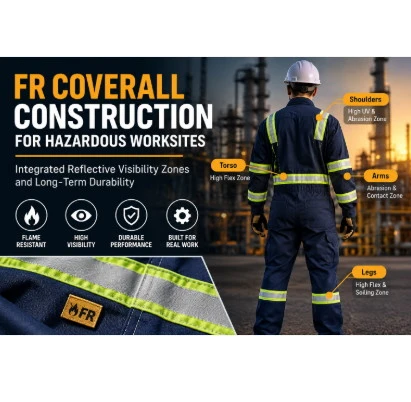
For workers who operate at night or in low-light areas,you can consider FR coveralls with high-visibility elements:
Fluorescent patches or trim
Reflective tape on shoulders, chest, arms and legs
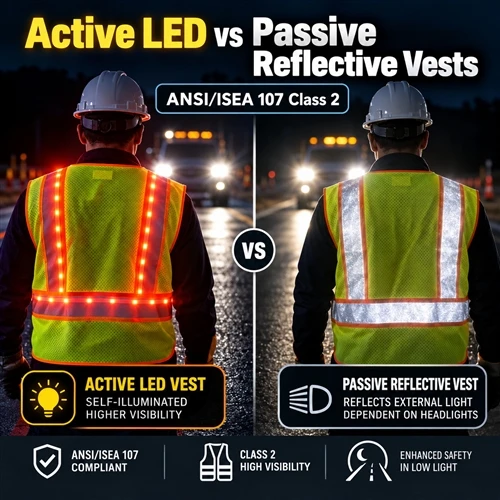
This helps combine FR protection + high visibility in one garment, reducing the need for additional hi-vis vests that may not be FR rated.
FR coveralls with high visibility reflective tape
winter high visibility coal mine workwear
5. Comfort Factors: Weight, Breathability and Season
Even the best-certified FR coveralls will fail if workers don't want to wear them.Comfort determines actual wear rate.
Fabric weight and climate
220–260 g/m²:Suitable for warm or indoor environments
280–350 g/m²:Suitable for colder environments or applications requiring greater wear resistance
For hot climates or indoor electrical rooms, lighter FR fabrics help reduce heat stress. For outdoor work in cooler seasons, slightly heavier fabrics offer more protection and durability.
Breathability and moisture management
Workers often wear FR coveralls for 8–12 hours per shift:
Breathable fabrics allow sweat and moisture to escape
Proper pattern cutting under arms and around knees improves airflow and mobility
Mesh vents or action pleats at the back can help for certain designs
When you test samples, ask workers how the garment feels after 1–2 hours, not just at first try-on.
6. Key Buying Criteria for B2B FR Coverall Orders
From a buyer's perspective, these are the core criteria to define before requesting quotes:
Hazard level & standards
Is it mainly heat & flame, arc flash, or both?
Which standards must be met for your market?
Category / Arc Rating (if applicable)
CAT 2 for electricians? Higher categories for specific tasks?
Fabric type and weight
Inherent vs treated FR
Desired fabric weight based on climate and usage
Design features
Number and position of pockets
Reflective tape or high-visibility elements needed?
Logo placement and branding requirements
Size range and fitting
Standard range (S–3XL / S–5XL)
Need for special sizes or women's fit?
MOQ, price and lead time
Minimum order quantity per color / size breakdown
Target price range per piece
Expected delivery window for first order and repeats
7. Common Mistakes to Avoid When Ordering FR Coveralls
Even experienced buyers can run into problems with FR garments.
Focusing only on price, ignoring fabric and certification
Cheap FR coveralls with weak fabric or low wash durability may fail audits or wear out prematurely.
Not matching garment rating to real hazards
Using light, basic FR garments where arc flash risk is high is a serious safety issue.
Overlooking worker comfort
If coveralls are too hot or uncomfortable, workers may "forget" to wear them properly.
Ignoring washing and care instructions
Using incorrect washing procedures can reduce FR performance, especially for treated fabrics.
Skipping sample testing on real job sites
Office-level approval is not enough; always test FR coveralls in real working conditions before large orders.
By avoiding these mistakes, you can protect both workers and your budget.
8. Step-by-Step: How to Work with a Manufacturer on FR Coveralls
To make your next FR coverall project smoother, follow this basic process:
Define your specification
Hazard level, standards, fabric weight, category, design, branding.
Share clear information with the manufacturer
Target market (e.g. North America, Europe, Middle East)
Typical users (electricians, maintenance, oil & gas crews)
Expected order volume and timeline
Request samples and documentation
Product samples in multiple sizes
Fabric data sheets and test reports
FR and arc flash certifications if required
Test in the field
Ask a small group of workers to wear the coveralls for several shifts
Collect feedback on comfort, fit, pocket layout and mobility
Adjust details and confirm order
Finalize color, logo, labels and packing
Agree on lead time, payment terms and quality control steps
Plan for repeat orders
Once the first order is successful, set up a clear process for future orders and possible design updates.
9. Turn FR Coveralls into a Strategic Safety Investment
FR coveralls are not just another line item in the PPE budget. When chosen and managed correctly, they:
Reduce the risk of serious injury in heat and flame incidents
Help you pass customer audits and comply with regulations
Improve worker confidence and the image of your safety program
Offer long-term value when you balance fabric quality, design and durability
If you are currently reviewing suppliers for FR coveralls for electricians or industrial workers, we can help you:
Select the right fabric weight and standard for your market
Design practical coveralls with inherently aramid sewing thread and multiple pockets
Add high visibility elements and custom logos when needed
Provide samples, test reports and a clear quotation based on your quantity and timeline
Ready to upgrade from basic workwear to certified FR coveralls?
– View our CAT 2 FR coveralls for electricians
– Contact us for a detailed quote on FR workwear